Endangered
Shortspine spurdog
Squalus mitsukurii
The shortspine spurdog (Squalus mitsukurii) is a small bottom-dwelling shark that lives on continental shelves and seamounts. The Red List classed it as Endangered in 2020, mainly because of fishing, and in part because sharks like this grow slowly and have few pups.
How to recognise it
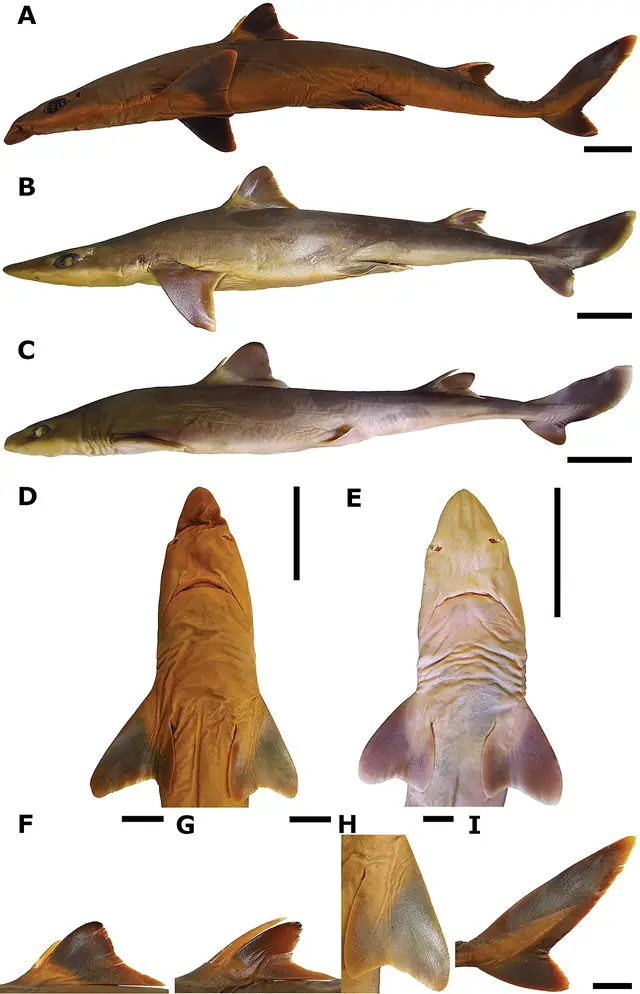
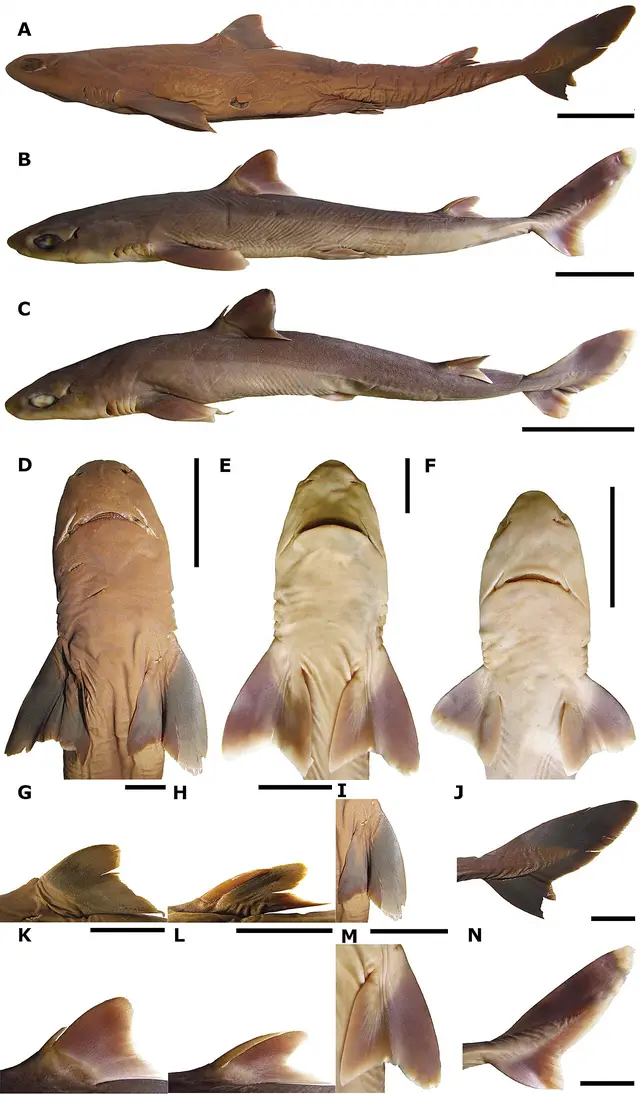
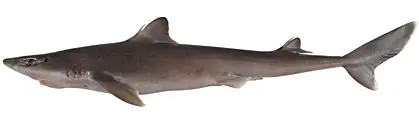
It's a dogfish of the family Squalidae, named by David Starr Jordan and John Snyder in 1903. It is a large dogfish with a long, angular snout and a small mouth, and no spots on the body. The first dorsal spine sits over the pectoral fins. It is pearl-grey above and white below, with white-edged fins.
FishBase gives a maximum length of about 90 centimetres for males and 94 centimetres for females, and newborns of around 22 to 26 centimetres, though some references give a smaller maximum of 75 centimetres. Part of the confusion is taxonomic, as explained below.
A species complex
Older books treated this shark as worldwide. Papers from 2007 onward showed that several populations once folded into it are separate species. The Hawaiian population was described as its own species in 2018, and in 2020 Viana and de Carvalho described Squalus shiraii from southern Japan, separating it by details such as longer eyes and smaller claspers.
FishBase still flags S. mitsukurii as possibly a complex. That means older records of its size, depth and biology may mix up species, and the conservation picture rests on uncertain identifications.
Where it lives and how it lives
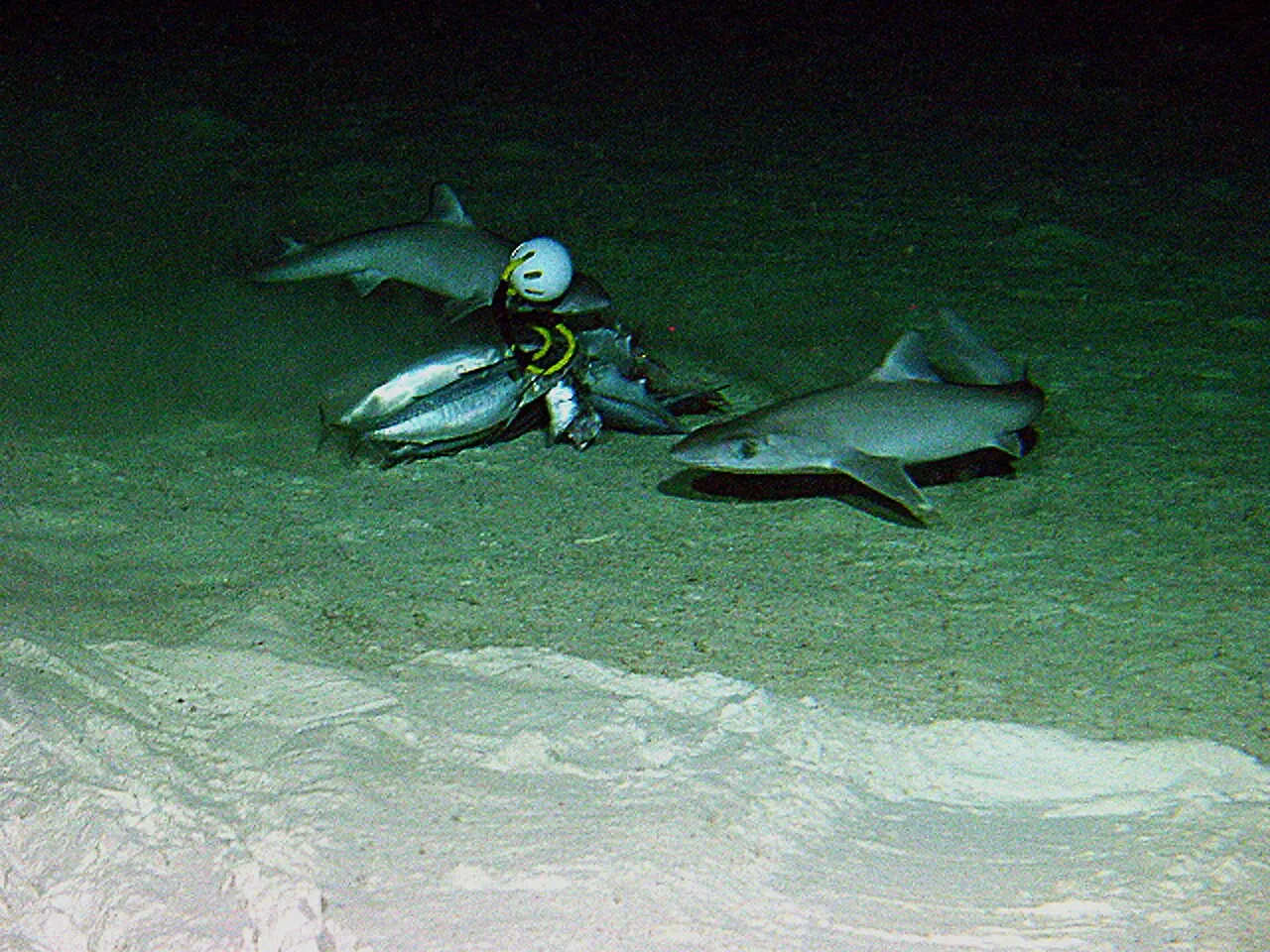
The Red List gives the assessed range as the waters of China, Japan, North Korea and South Korea, over hard and soft seabeds and on seamounts, at depths of about 22 to 640 metres. FishBase, which covers the species in the wider sense, lists 29 to 600 metres. The figures reflect different species boundaries.
A 2012 study of fish from around Ishigaki Island in southwest Japan, which it called Squalus cf. mitsukurii, found that half the females were mature at about 728 millimetres and half the males at about 560 millimetres. Females carried 3.1 eggs and embryos on average and could mate soon after giving birth. FishBase gives probably 4 to 9 young per litter, with a gestation that may last up to two years. The Red List puts generation length at about 20.5 years.
Pins are Wikidata “endemic to” fields. Orange dots, when present, are GBIF occurrence tiles — survey bias included.
Why it is in trouble
Spurdogs are caught unintentionally in both large-scale and small-scale fisheries across the assessed range. The 2020 assessment lists the population as declining, and it qualifies under criterion A2d, a past decline based on actual or potential levels of exploitation. The assessment places the past reduction at 50 to 79 percent.
Slow growth, late maturity and small litters make dogfish poor at rebounding from fishing. The Red List records that there is no recovery plan, monitoring scheme or harvest management plan, and lists conservation action only at national level.
Sources
Written for this catalog in our own words from the sources below, checked against them on 12 November 2026. Population figures are estimates and carry the year they were made. Status and assessment year: IUCN. 2026. The IUCN Red List of Threatened Species. Version 2026-1. iucnredlist.org.