Endangered
Sarcohyla mykter
Plectrohyla mykter
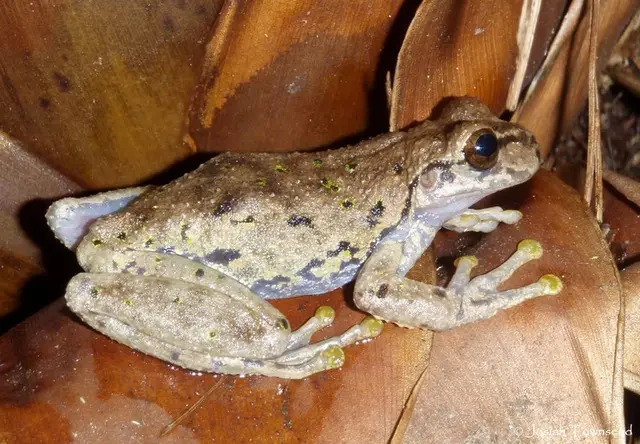
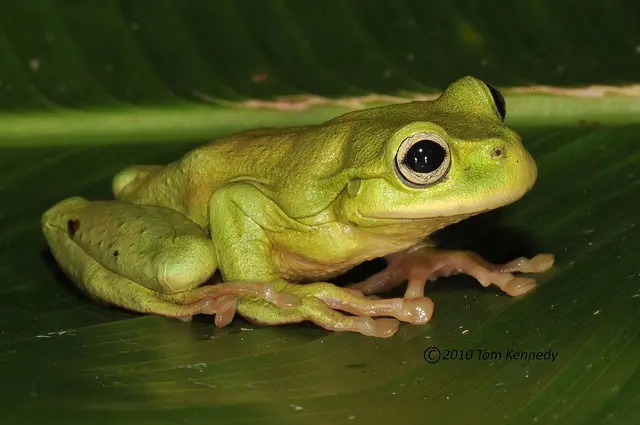
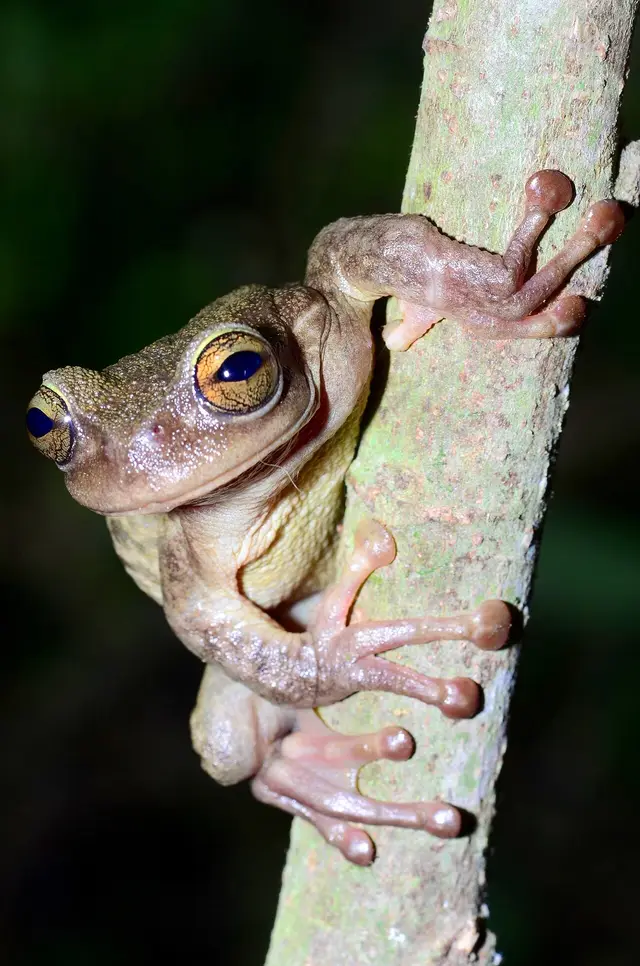
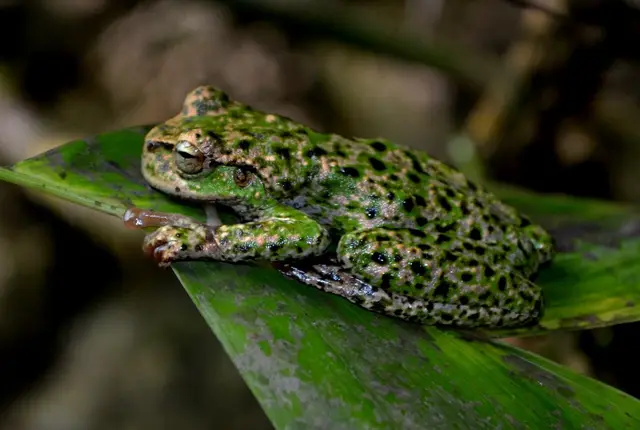
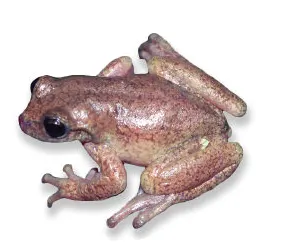
The keel-snouted treefrog, Sarcohyla mykter, is a stream-breeding frog found only in the high cloud forests of the Sierra Madre del Sur in Guerrero, Mexico. The IUCN Red List assessed it as Endangered in 2020. It is uncommon, known from only one to five locations, and not recorded in any protected area.
Names and relatives
The frog is a member of the treefrog family, Hylidae. Adler and Dennis described it in 1972 as Hyla mykter, and it has since been moved between genera. Some lists still use the name Plectrohyla mykter, while the current accepted name is Sarcohyla mykter. Its sister species is Sarcohyla chryses, another Guerrero treefrog.
Where it lives
The species is endemic to the Sierra Madre del Sur in the Mexican state of Guerrero, which means it occurs nowhere else. The Red List counts one to five locations and gives an extent of occurrence of about 1,719 square kilometres.
It lives high in the mountains, between about 1,985 and 2,520 m (6,500 to 8,300 feet) above sea level. The habitat is cloud forest, wet pine and oak forest and oak woodland, close to streams. The streams serve as its breeding habitat.
Pins are Wikidata “endemic to” fields. Orange dots, when present, are GBIF occurrence tiles — survey bias included.
Why it is in trouble
The Red List records the population as decreasing and the area it occupies as still shrinking. The main pressure listed is small-holder farming, which converts and degrades habitat. The Red List also lists small-scale, unintentional harvest effects, without saying more.
Chytridiomycosis, the fungal disease that has hit amphibians across the Americas, is named as a possible additional threat for this frog. The Red List gives no estimate of how many frogs remain, and the frog is described as uncommon even though it is regularly encountered in surveys.
What is being done
The frog is not known from any protected area. The Red List calls for site protection, protection of its habitat and site management, but no species-specific recovery programme is documented.
Sources
Written for this catalog in our own words from the sources below, checked against them on 12 November 2026. Population figures are estimates and carry the year they were made. Status and assessment year: IUCN. 2026. The IUCN Red List of Threatened Species. Version 2026-1. iucnredlist.org.