Critically Endangered
Plectrohyla teuchestes
Plectrohyla teuchestes
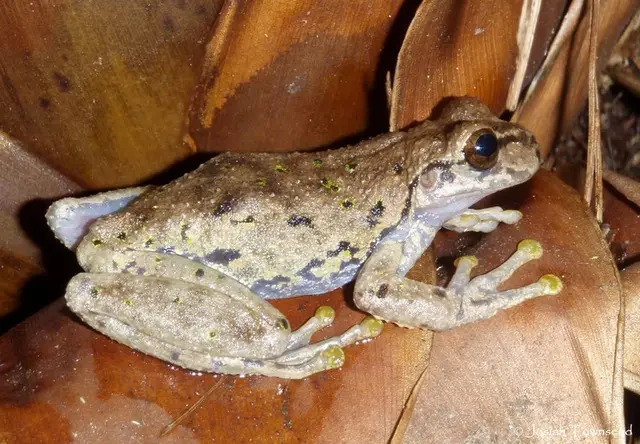
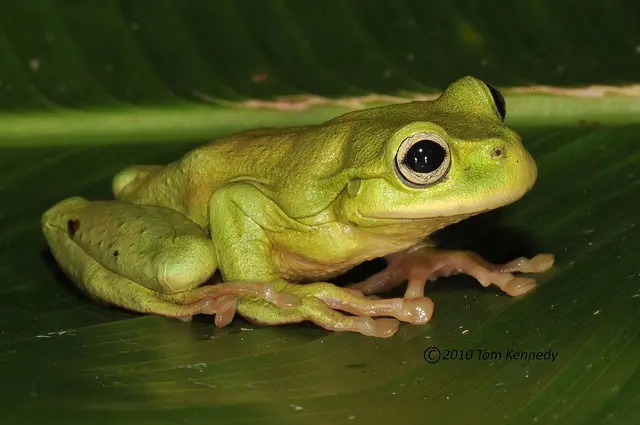
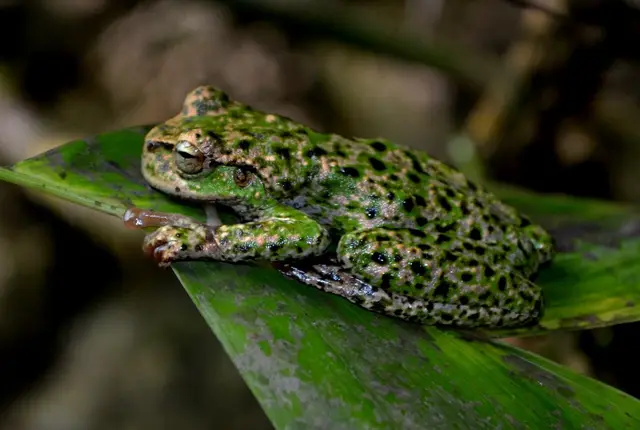
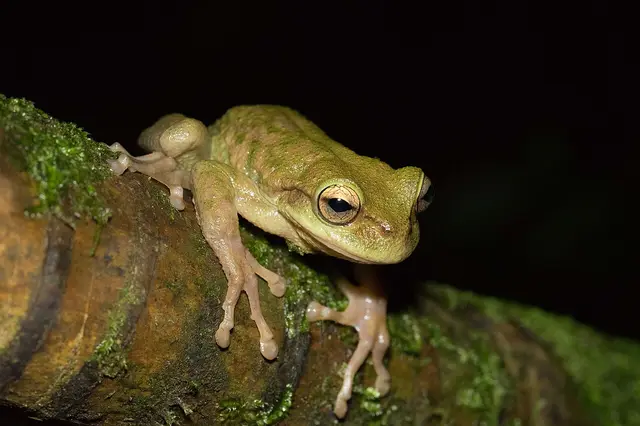
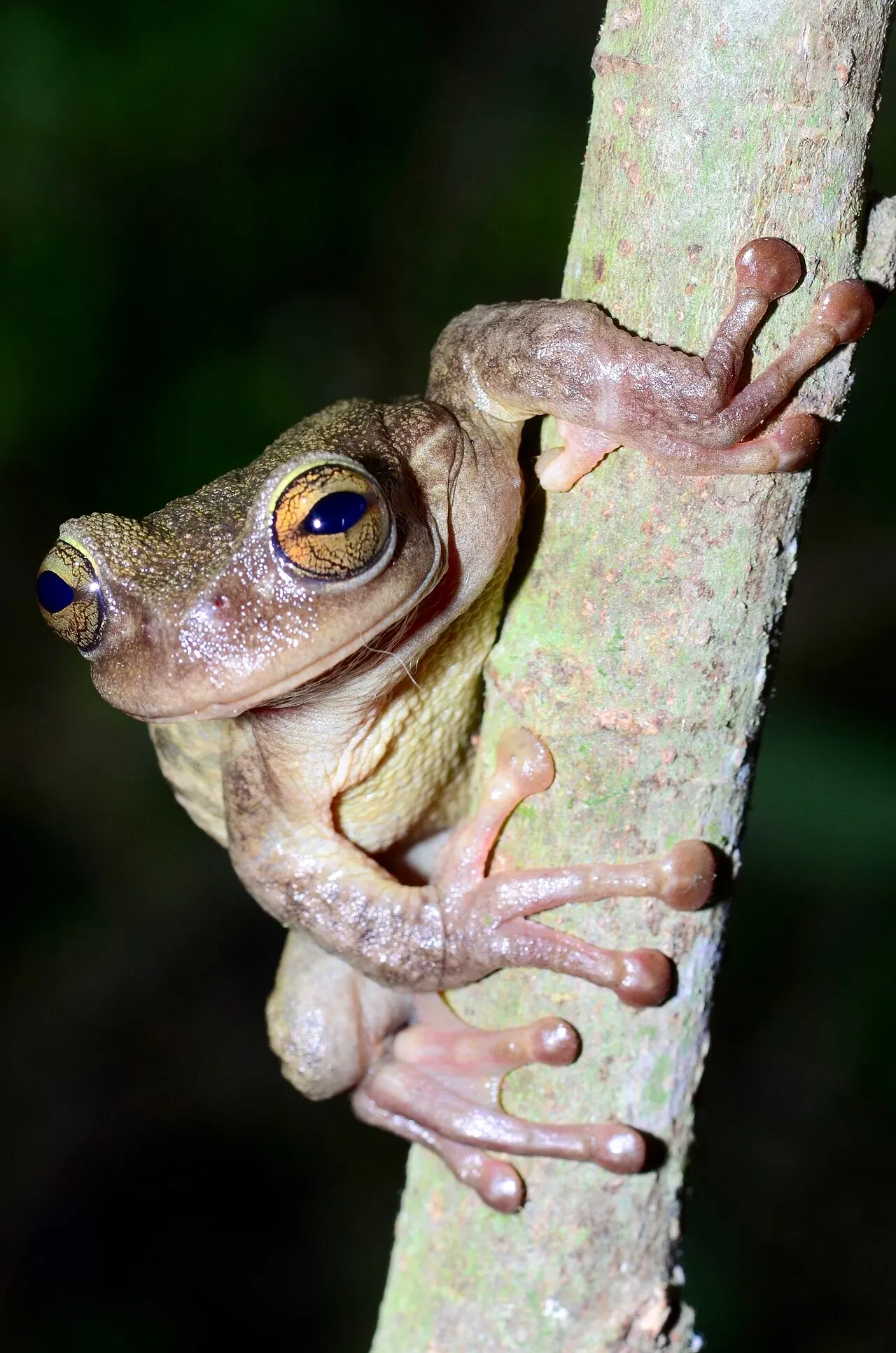
The Alta Verapaz spikethumb frog (Plectrohyla teuchestes) is a stream-breeding tree frog from the mountain forests of Guatemala, known with certainty from a single mountain slope. The IUCN Red List rated it Critically Endangered in 2020, estimating fewer than 250 mature individuals, and suspects the population is falling.
Where it lives
This frog is endemic to Guatemala. It is known with certainty only from its type locality on the southern slope of the Sierra de Xucaneb, north of the Río Polochic in the department of Alta Verapaz, at about 1,000 m above sea level. A later report from the same mountain, roughly 40 km away, still needs its identification checked. Duellman and Campbell described the species in 1992 (as Hyla teuchestes), and frogs from Honduras once placed in it are now treated as a separate species, Plectrohyla exquisita.
The Red List counts one location and gives an extent of occurrence of about 46 to 54 square kilometres (the assessment states both figures). The frog lives in moist areas near streams and waterfalls in montane forest, and has only been recorded in undisturbed habitat. The original collecting site is on private land, outside any protected area.
Pins are Wikidata “endemic to” fields. Orange dots, when present, are GBIF occurrence tiles — survey bias included.
How it lives
The frog breeds in streams, with tadpoles developing in the water as in other members of its genus, so it depends on running water within forest.
How many are left
The species is considered rare. When it was discovered, a handful of adults and tadpoles were seen at the type locality. Surveys there in 2008 found three frogs over two nights, and none turned up in surveys in 2012 and 2014.
The 2020 assessment treats the population as fewer than 250 mature individuals (249 is the figure recorded), with 90 to 100 percent of them in a single group. That is an estimate for a species hard to survey in steep forest. The trend is listed as decreasing, because the extent and quality of the habitat keep declining.
Why it is in trouble
The only known site faces habitat loss from small-scale farming, expanding settlement and small-scale wood extraction. Climate change adds to this, as dry seasons are getting longer and rainfall is dropping. Small-holder grazing and drought are rated as lower-impact pressures.
Disease is a second worry. The amphibian chytrid fungus (Batrachochytrium dendrobatidis) is listed as a potential threat, given the damage it has done to other frogs in this genus in Central America. The assessment doesn't report the frog being tested for it.
What is being done
The species is not known to occur in any protected area. The Red List says it would likely benefit from better habitat protection where it is known, and that a captive breeding programme might be needed because of chytrid. It also asks for more information on the frog's distribution, numbers, ecology and threats, and for close monitoring.
Sources
Written for this catalog in our own words from the sources below, checked against them on 12 November 2026. Population figures are estimates and carry the year they were made. Status and assessment year: IUCN. 2026. The IUCN Red List of Threatened Species. Version 2026-1. iucnredlist.org.