Endangered
Bannerman's shearwater
Puffinus bannermani
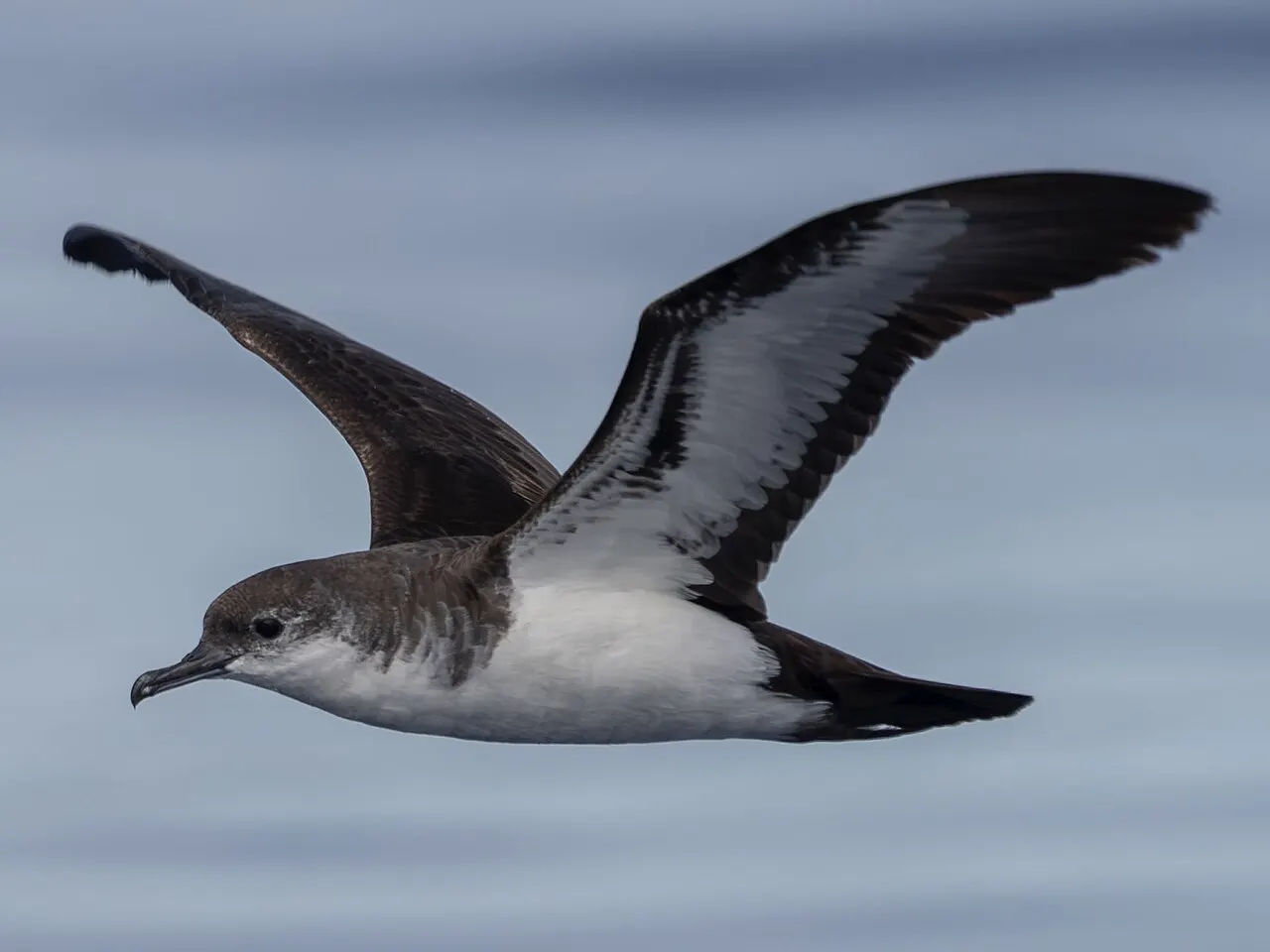
Bannerman's shearwater (Puffinus bannermani) is a small black-and-white seabird that nests only in Japan's Ogasawara (Bonin) Islands, in the western Pacific. The IUCN Red List rated it Endangered in 2018. No population estimate exists, and introduced rats are the main known threat.
How to recognise it
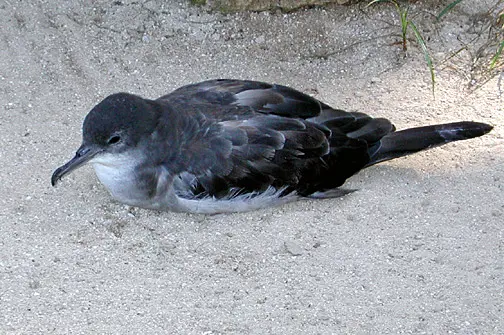
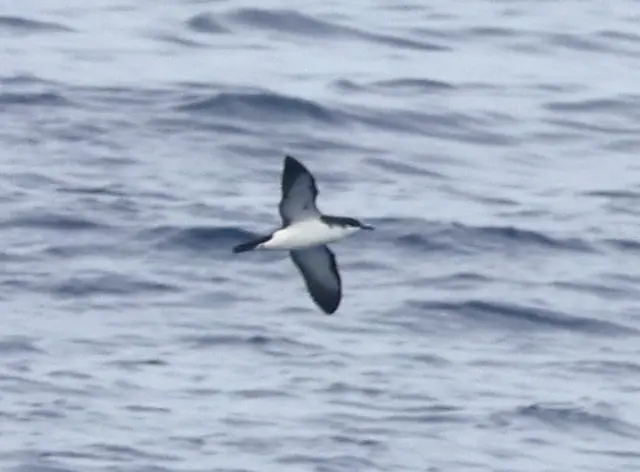
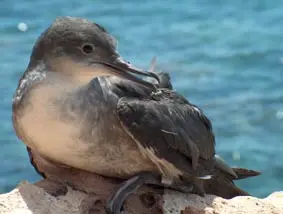
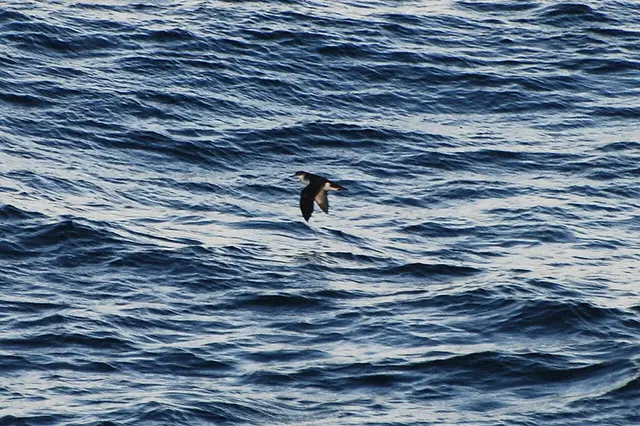
It's a small shearwater, black above and white below. A Japanese reference reportedly puts its length at about 31 cm, with a wingspan of 65 to 75 cm. For years it was treated as a subspecies of Audubon's or the tropical shearwater. A 2018 DNA study in Ornithological Science found it isn't closely related to either, and recommended restoring it as a full species. It was named in 1915 for the Scottish ornithologist David Bannerman.
Where it lives
The Bonin Islands lie about 1,000 km south-southeast of Tokyo, and the nearby Volcano Islands are administered with them as Ogasawara. Bannerman's shearwater is a breeding endemic there, and the IUCN lists Japan as its only country. The original specimen came from North Iwo Jima in the Volcano Islands.
A Japanese-language reference reports nesting in ground burrows in low screw-pine scrub on Higashijima, and probable breeding on Minami-Iwo Jima, where birds have been recorded in cloud forest above 800 m. Kita-Iwo Jima was the only breeding site known before the Second World War, and that colony is presumed extinct. Birds reportedly return to nest sites in January, and chicks fledge in July and August. The IUCN describes it as a colonial seabird that disperses at sea over shallow coastal waters.
Pins are Wikidata “endemic to” fields. Orange dots, when present, are GBIF occurrence tiles — survey bias included.
Why it is in trouble
No total population has been estimated, but the IUCN trend is decreasing, with 2 to 5 locations and a generation time of about 22 years. The named threat is the black rat (Rattus rattus), which causes deaths and lowers breeding success, and it is rated a medium impact causing rapid declines in under half the population. Light pollution is also listed, with its effect unknown.
Because the colonies are few, small and on isolated islands, one disaster or rat introduction could do disproportionate damage.
What is being done
The IUCN says its breeding areas have been identified across the whole range, at least one lies in a protected area, and some invasive species control is under way. It also notes there is no systematic monitoring scheme or recovery plan. The assessment calls for further rat eradication, strict protection of breeding areas, surveys to find nests and estimate numbers, and studies of the bird's ecology.
Sources
Written for this catalog in our own words from the sources below, checked against them on 12 November 2026. Population figures are estimates and carry the year they were made. Status and assessment year: IUCN. 2026. The IUCN Red List of Threatened Species. Version 2026-1. iucnredlist.org.