Endangered
Pseudophilautus caeruleus
Pseudophilautus caeruleus
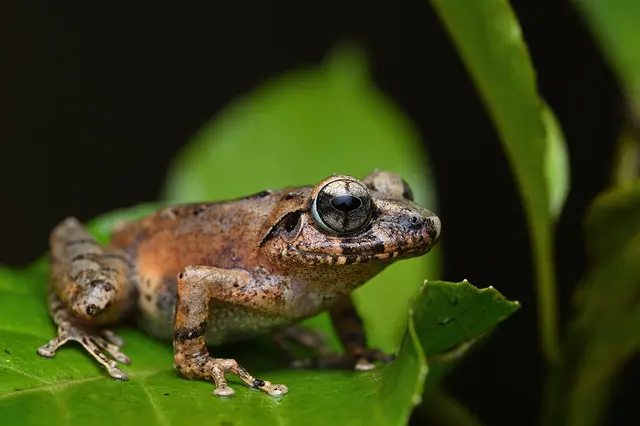
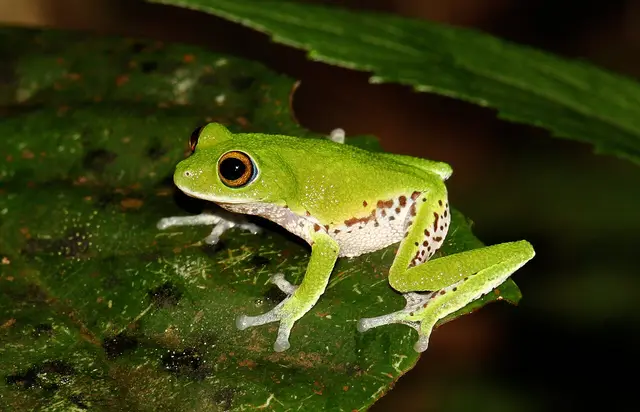
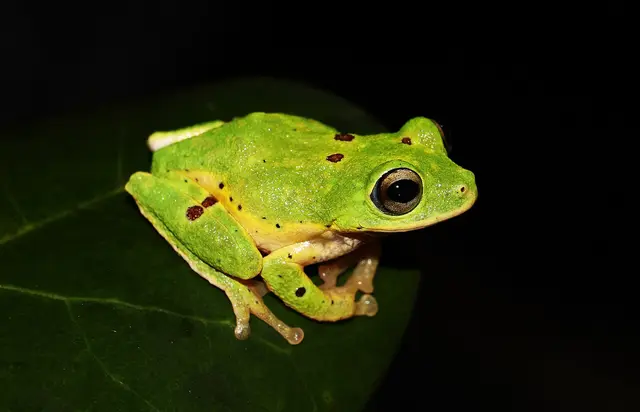
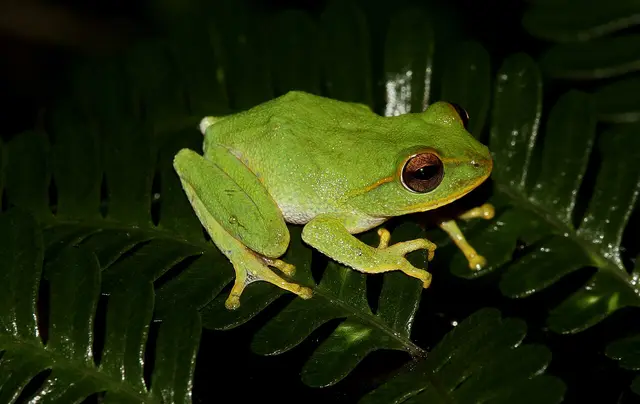
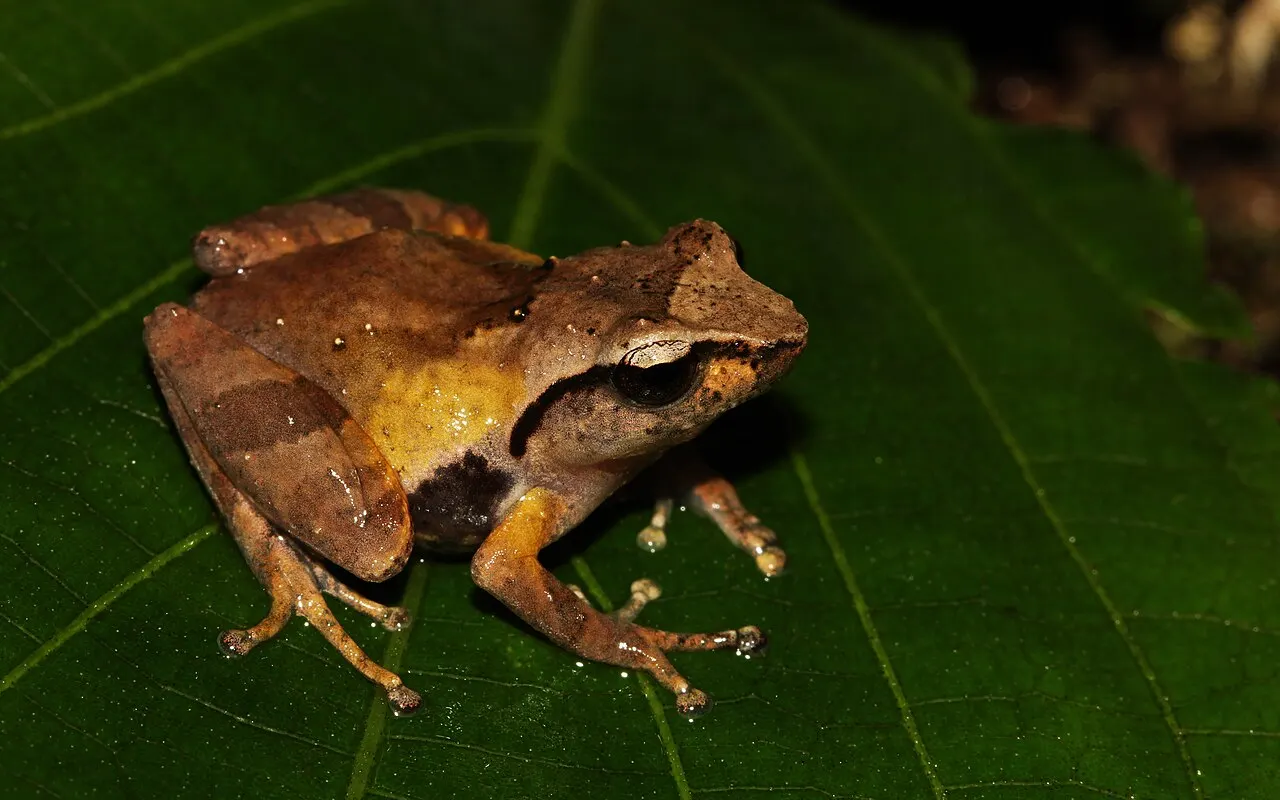
The blue thigh shrub frog (Pseudophilautus caeruleus) is a shrub frog found only in the wet hill forests of Sri Lanka. The IUCN Red List classed it as Endangered in 2020. It is known from just a few sites across a small area, and the forest it depends on is still shrinking.
What it is
This is a frog in the family Rhacophoridae, in the genus Pseudophilautus, a group of shrub frogs found in Sri Lanka and the Western Ghats of south-western India. Manamendra-Arachchi and Pethiyagoda described it as Philautus caeruleus, and sources give the year as either 2004 or 2005. The genus has about 79 species on one current listing, and thirteen of them are marked as extinct.
Where it lives
The species is endemic to Sri Lanka. It lives in moist forest, both in the lowlands and on the hills, and the IUCN also lists rural gardens among its habitats. Recorded sightings run from 810 to 1,370 metres above sea level, though the Red List assessment gives an upper limit of 1,600 metres.
The assessment counts two to five locations and an estimated extent of occurrence of about 507 square kilometres. The population is not considered severely fragmented, and the species is known from at least one protected area.
Pins are Wikidata “endemic to” fields. Orange dots, when present, are GBIF occurrence tiles — survey bias included.
How it lives
Little has been written about this frog's daily life, so most of what is known comes from its genus. Pseudophilautus frogs skip the tadpole stage: eggs develop directly into small froglets, and most species lay them in damp soil on the forest floor. Development takes 24 to 68 days, and the eggs need high humidity, so long dry spells can harm them. Males call to attract females, and they call more intensely at night and in humid weather.
Sri Lankan shrub frogs as a group have been described as cool, wet-adapted animals of montane and lowland rain forest. For this species in particular, no source gives its size, colour, diet or breeding habits.
Why it is in trouble
The population is decreasing, and the area it occupies is still contracting. The assessment names no single large threat. Instead it lists a spread of ongoing pressures: recreational activities, small-holder farming, garbage and solid waste, unintentional effects of small-scale harvesting, light pollution, acid rain and droughts. With so few sites, even small pressures count.
What is being done
The species occurs in at least one protected area, and the assessment records that it is subject to ex-situ (captive) conservation. The measures it lists as needed are site and area management, site and area protection, and protection of resources and habitat.
Sources
Written for this catalog in our own words from the sources below, checked against them on 12 November 2026. Population figures are estimates and carry the year they were made. Status and assessment year: IUCN. 2026. The IUCN Red List of Threatened Species. Version 2026-1. iucnredlist.org.