Endangered
Tiktik Rain Frog
Pristimantis tiktik
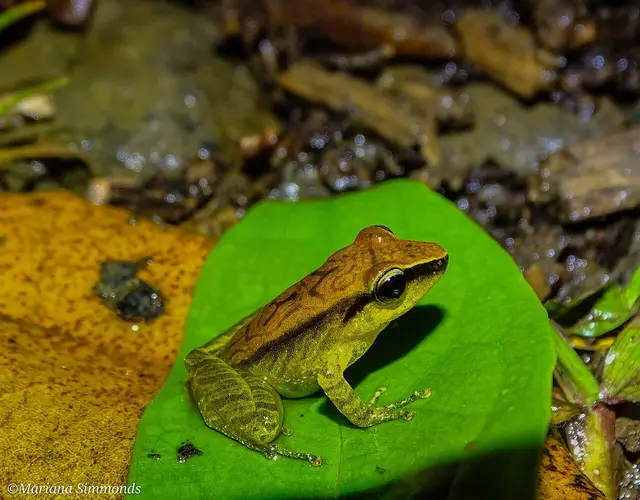
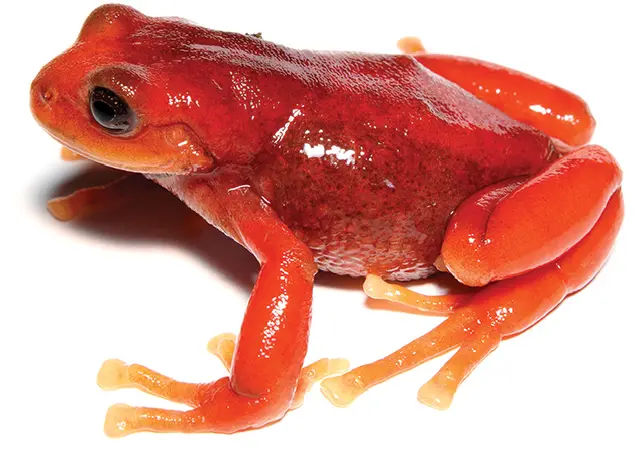
The tiktik rain frog (Pristimantis tiktik) is a tiny frog of the high páramo grasslands of southern Ecuador, named for the clicking call of the male. It was described only in 2018 and is known from a single location. The IUCN Red List lists it as Endangered (2022 assessment).
How to recognise it
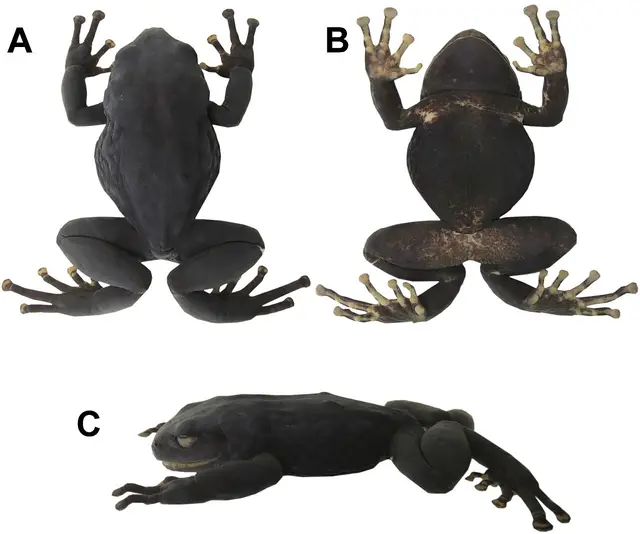
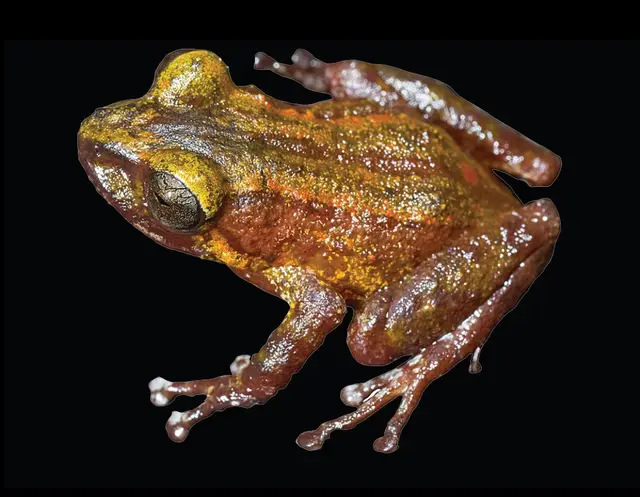
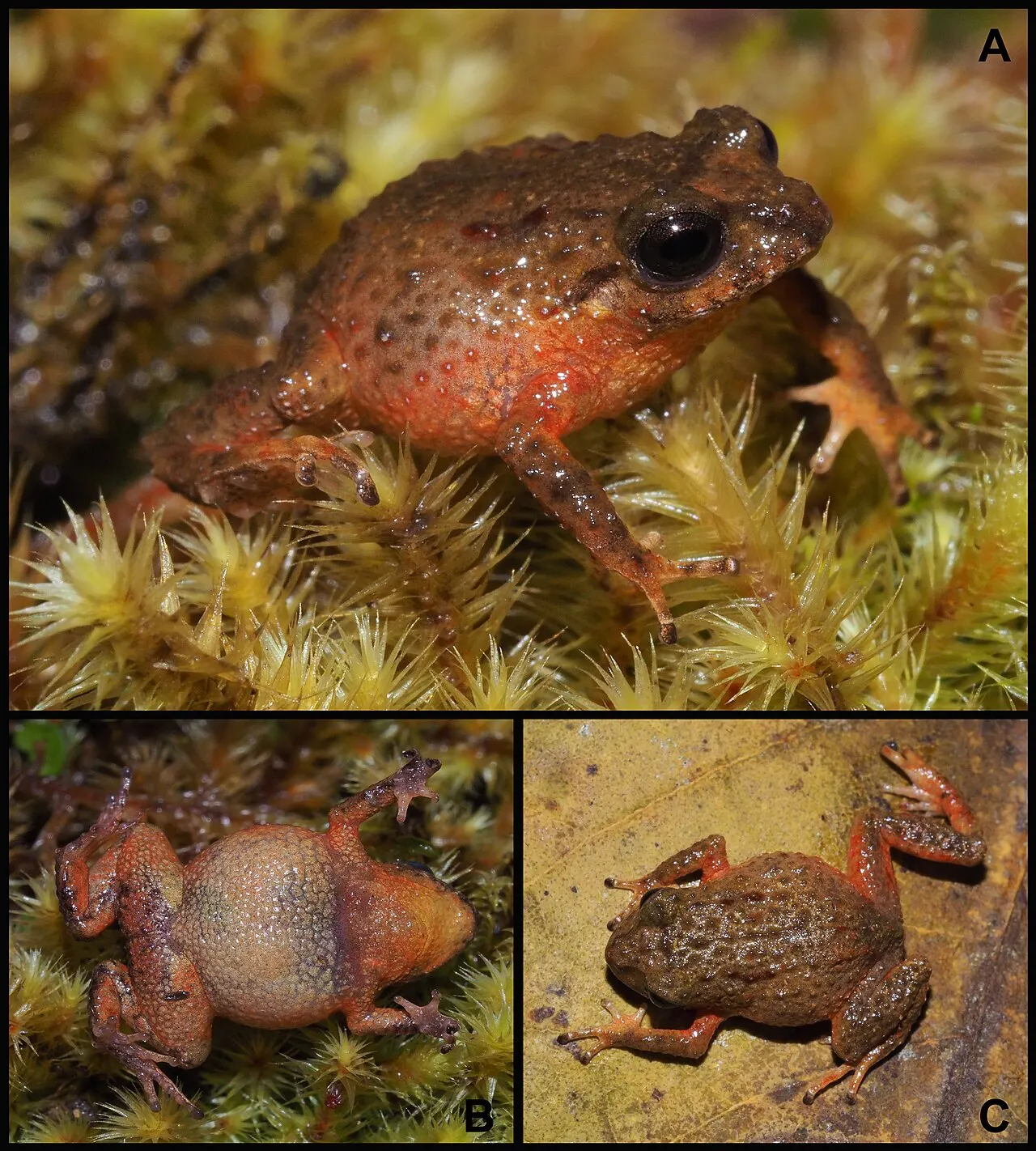
It's a very small frog. Females measure about 19.7 to 20.4 mm from snout to vent, and males about 16.1 to 18.4 mm. The back skin is bumpy, the belly is coarsely granular, and the eye has a bronze iris with fine black netting.
Males have a whitish or pinkish-yellow belly and a large vocal sac under the chin. Females have a white belly marked in a net pattern of black. There is no visible eardrum membrane and no fold along the sides of the back.
Where it lives
The species comes from the Andes of southern Ecuador, in a wetland complex of almost 100 glacial lakes around Oña, Nabón, Saraguro and Yacuambi, which spans parts of the provinces of Loja, Azuay and Zamora-Chinchipe. The first specimen, the holotype, was collected in Loja Province at about 3,300 m, roughly 21 km by road east of Urdaneta.
The IUCN gives an elevation range of 3,103 to 3,322 m (the original description says roughly 3,000 to 3,400 m) and an extent of occurrence of only about 121 square kilometres. It treats the whole population as one location. The habitat is high-altitude grassland, known locally as páramo.
Pins are Wikidata “endemic to” fields. Orange dots, when present, are GBIF occurrence tiles — survey bias included.
How it lives
Males call at night, mostly from grassy vegetation about 5 to 15 cm above the ground, and they have been heard calling throughout the year. The call is a continuous series of single-pulse clicks, about 3 to 4 notes per second, and it gives the species its name. Its breeding and life cycle have not been described.
Why it is in trouble
With one location and a range this small, a single disturbance can affect the whole species. The IUCN lists roads, small-holder farming and grazing, drought, and habitat shifting and alteration. The population trend is recorded as decreasing.
The 2018 description names mining as the most serious threat, with nearby páramos already under concession. It also lists invasive pines from plantations, introduced rainbow trout, livestock grazing, human-set wildfires and road construction.
What is being done
The IUCN notes that the species occurs in at least one protected area, and lists site protection and site management among the actions needed.
Sources
Written for this catalog in our own words from the sources below, checked against them on 12 November 2026. Population figures are estimates and carry the year they were made. Status and assessment year: IUCN. 2026. The IUCN Red List of Threatened Species. Version 2026-1. iucnredlist.org.