Endangered
Cloud forest robber frog
Pristimantis surdus
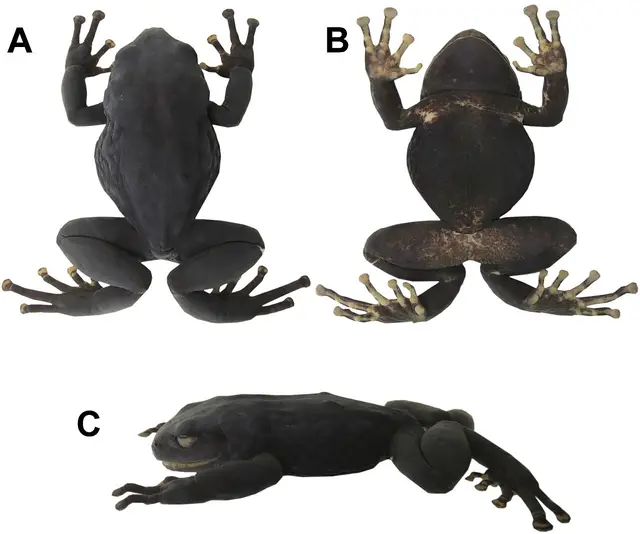
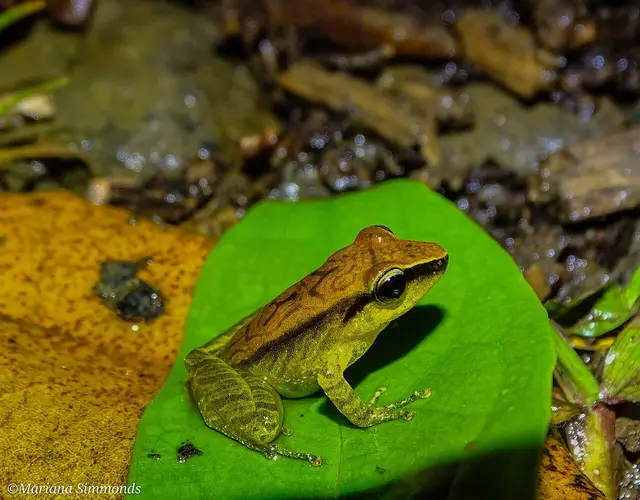
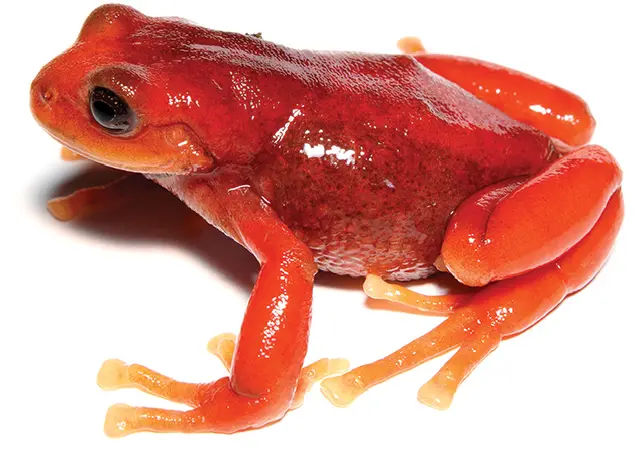
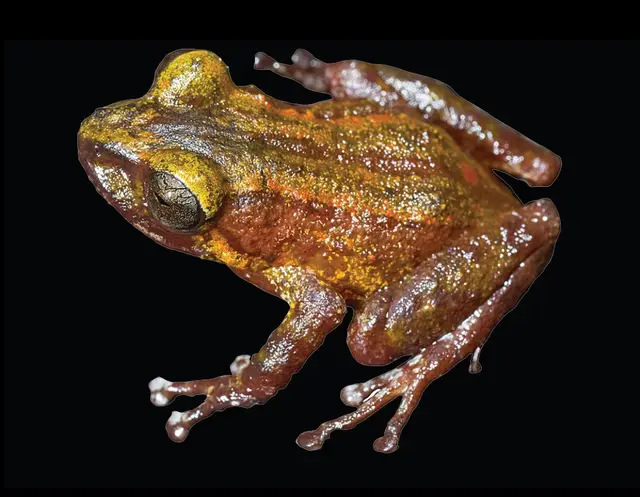
Pristimantis surdus, the cloud forest robber frog, is a small frog of the upper western Andean slopes of northwestern Ecuador. It lives in montane cloud forest between roughly 1,550 and 3,190 m. The IUCN assessed it as Endangered in 2023 because its range is small and its forest is being cleared and degraded.
What it is
Boulenger described the frog in 1882 under the name Hylodes surdus. It was later moved through Eleutherodactylus and now sits in the large genus Pristimantis. A Spanish name used in Ecuador is cutin sordo.
Another frog, Eleutherodactylus alberchi, described by Flores in 1988, is now treated as a synonym, so older literature may use that name.
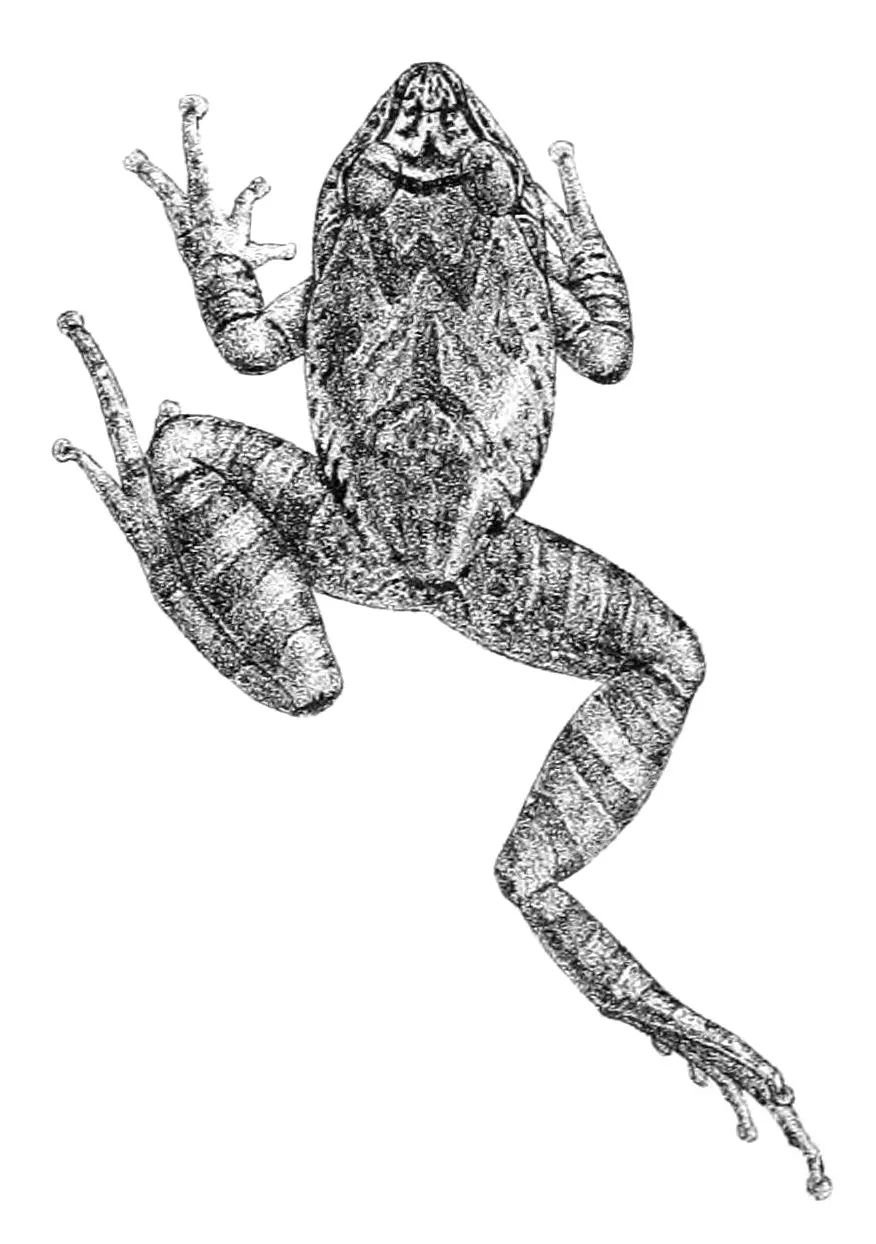
An Ecuadorian species account describes a small to medium-sized frog with ridges on the skull, widely expanded finger discs and no webbing at the base of the toes. It resembles Pristimantis duellmani.
Where it lives
The species is endemic to northwestern Ecuador, where it occupies the upper slopes of the Cordillera Occidental, the western Andean range, in Imbabura, Pichincha and Cotopaxi provinces. Its mapped range covers about 4,975 square kilometres, and the IUCN counts five or fewer locations. It is not a migrant.
It is a cloud forest frog. Most individuals have been found by day under stones or clods of earth. It tolerates a little habitat degradation, but not clearing that dries the forest out. The IUCN presumes it breeds by direct development, meaning the young hatch as froglets with no tadpole stage, though where the eggs are laid is not known.
Pins are Wikidata “endemic to” fields. Orange dots, when present, are GBIF occurrence tiles — survey bias included.
Why it is in trouble
It was once common. In the late 1960s, searchers on the humid forested slopes along the Aloag to Santo Domingo road could find frogs within minutes. After the road was improved in 1977, later searches for the species failed, according to Lynch and Duellman (1997).
The main threat across its range is loss and degradation of forest from agriculture, including livestock farming, plantations of exotic trees, logging and settlement. The 2023 assessment records a decreasing population and a continuing decline in habitat extent and quality. It qualifies as Endangered under criterion B1ab(iii), which covers a restricted range, few locations and declining habitat. The IUCN does not treat the population as severely fragmented.
What is being done
Known records lie outside Ecuador's national protected-area system, but the frog has been recorded in the Tandacato protected forest. The IUCN says effective protection of cloud forest across its range is needed, along with research on its distribution, population size and trends.
It was also rated Endangered in an earlier assessment in 2004. No use or trade of the species has been recorded.
Sources
Written for this catalog in our own words from the sources below, checked against them on 12 November 2026. Population figures are estimates and carry the year they were made. Status and assessment year: IUCN. 2026. The IUCN Red List of Threatened Species. Version 2026-1. iucnredlist.org.