Endangered
Pristimantis ornatissimus
Pristimantis ornatissimus
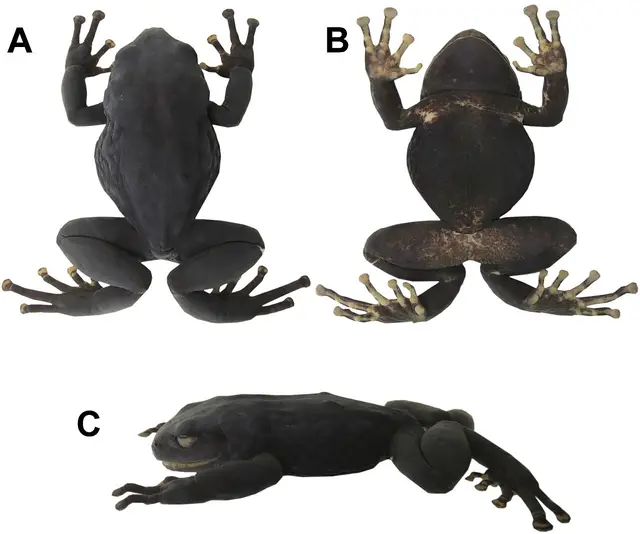
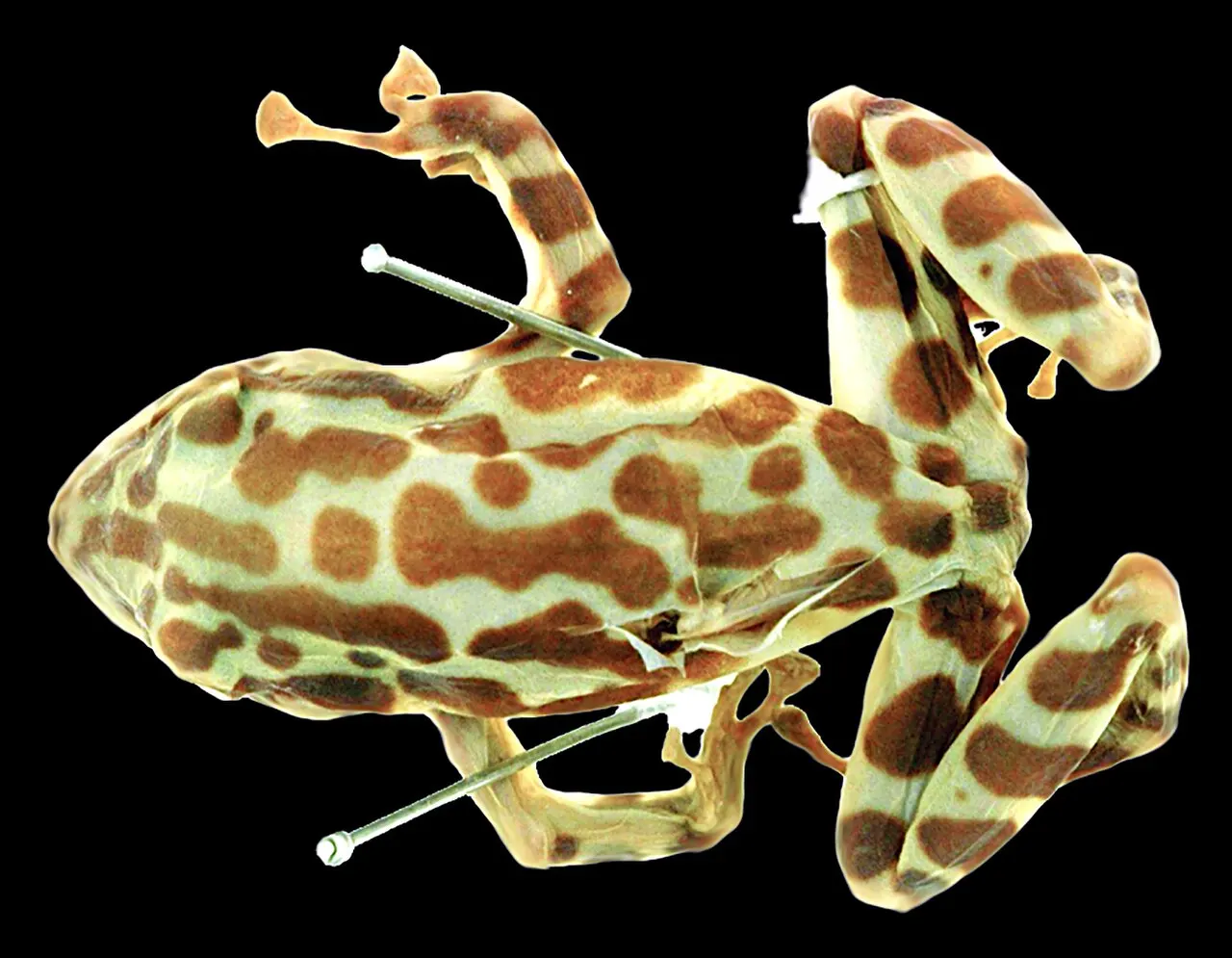
The ornate rainfrog (Pristimantis ornatissimus) is a small tree-living frog found only in the wet lowland forests and Andean foothills of western Ecuador. The IUCN Red List rated it Endangered in 2022. Its yellow and black back is unusual in its genus, and its forest is fragmented.
How to recognise it
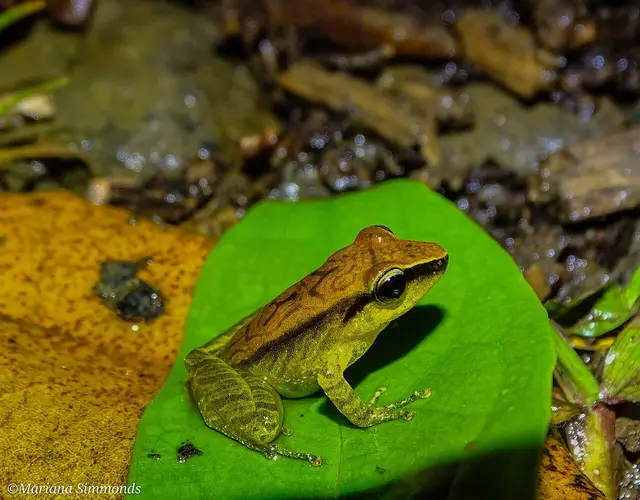
Few rainfrogs are as showy. The back carries a yellow and black pattern that is unique within the genus Pristimantis, and a 2017 genetic study in PLOS ONE described the species as one of the most distinctive frogs endemic to Ecuador.
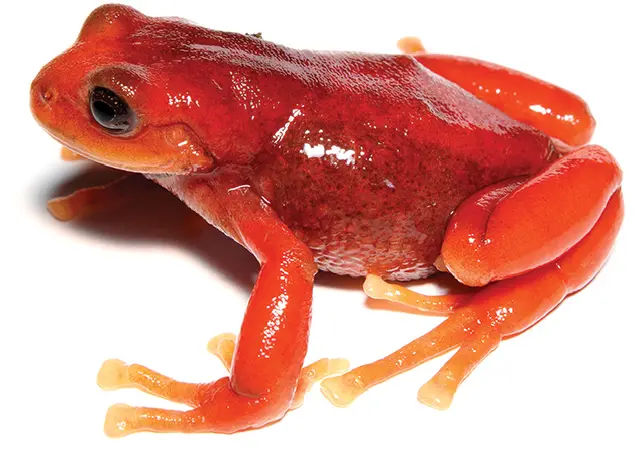
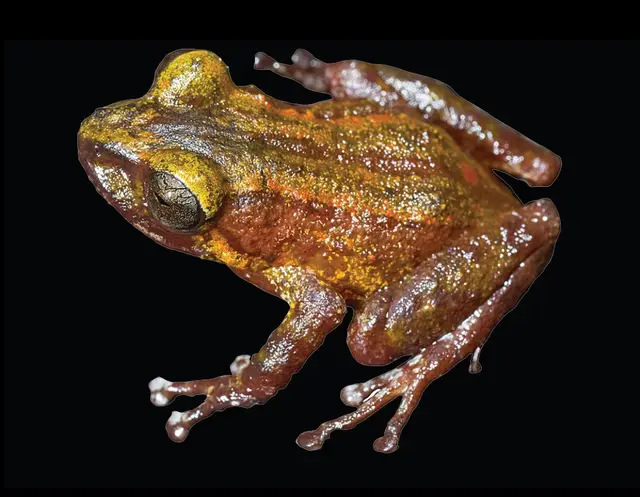
The pattern changes with geography. North of the Guayllabamba-Esmeraldas river the black stripes run unbroken and unspotted. Between that river and the Toachi river the markings are mostly a net-like web. South of the Toachi the stripes break into blotches or spots.
Where it lives
The frog was described by Despax in 1911 and occurs only in Ecuador, in the Chocoan lowlands and the Pacific foothills of the Andes. The IUCN gives an elevation range of 300 to 1100 m and counts five locations, with the population severely fragmented. Sites sampled in the 2017 study include Reserva Canandé, Milpe, Mashpi, La Florida and La Maná.
Older accounts gave a wider range, up to about 1800 m. The 2017 study then described the frogs from higher ground, at 1450 to 1480 m, as a separate species, Pristimantis ecuadorensis. The true ornate rainfrog is placed below about 1100 m.
Pins are Wikidata “endemic to” fields. Orange dots, when present, are GBIF occurrence tiles — survey bias included.
How it lives
It is mainly arboreal. It reportedly shelters among bromeliads, heliconia and the fronds of palms such as Ceroxylon and Wettinia, in both lowland and montane moist forest.
It is also reported from banana and sugar cane plantations that border native forest, so it may tolerate some disturbed edges, though that does not make such land a substitute for forest. Little else about its breeding or diet has been published.
Why it is in trouble
The IUCN lists the population as decreasing. The listed threats are small-holder and large-scale farming and grazing, which keep converting and degrading the moist forest where the frog lives.
The 2017 study found distinct colour forms and genetic lineages in different parts of the lowlands and suggested that rivers may limit gene flow between them. Forest clearing that isolates populations further could leave each one more exposed to local loss.
What is being done
The assessment calls for site and area management, protection of resources and habitat, and restoration of habitat. It also lists research into population size, distribution and trends as a need, since no population estimate exists.
Sources
Written for this catalog in our own words from the sources below, checked against them on 12 November 2026. Population figures are estimates and carry the year they were made. Status and assessment year: IUCN. 2026. The IUCN Red List of Threatened Species. Version 2026-1. iucnredlist.org.