Endangered
Pristimantis orestes
Pristimantis orestes
Pristimantis orestes is a small rain frog from the high Andes of southern Ecuador, known from just two places at about 2,940 to 3,100 m. A 2019 genetic study narrowed what the name covers. The IUCN Red List rated it Endangered in 2022, with its numbers and habitat declining.
How to recognise it
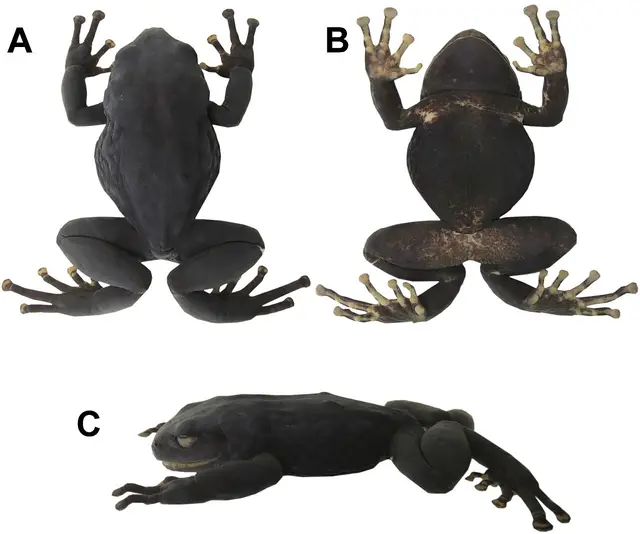
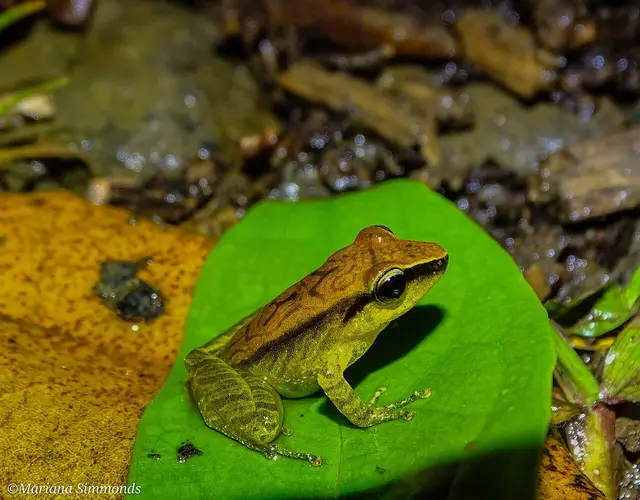
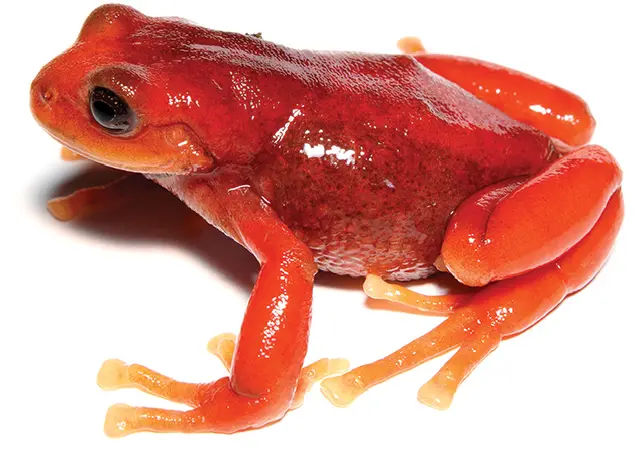
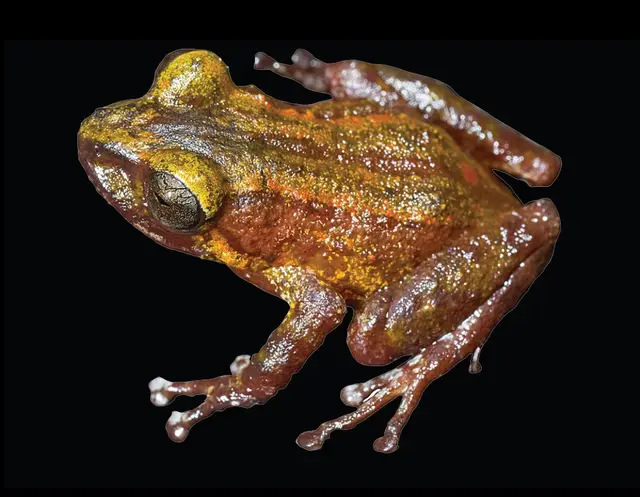
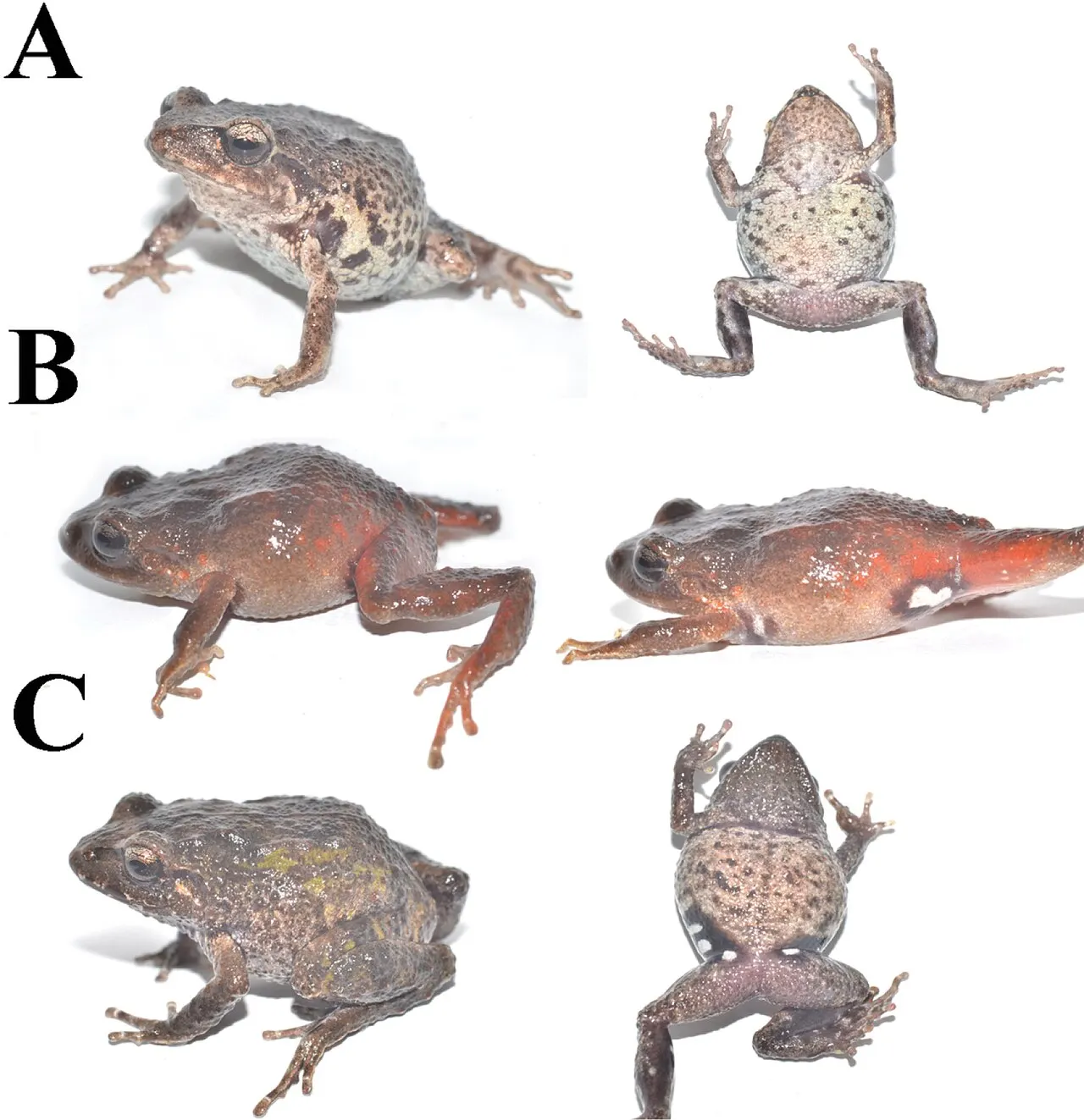
It is a small frog. Adult males measure roughly 16.5 to 22 mm from snout to vent, and the few females measured were about 22 to 24 mm. The skin on the back is finely bumpy, there are no obvious ridges along the sides, and there is no visible eardrum. Males have a vocal sac but no rough nuptial pads on the thumbs.
The iris is whitish grey with a broad reddish stripe through the middle. The groin, thighs and hidden parts of the shanks are dark brown or black with large white spots. The call is a long series of very short clicks, on average about one every 1.7 seconds, with the strongest energy around 2,770 Hz.
Where it lives
The species is endemic to Ecuador. Lynch described it in 1979 from 11 km north-east of Urdaneta in Loja Province, at 2,970 m. For decades it was thought to range along the eastern Andes from the Cuenca to the Loja basins. A 2019 study in ZooKeys, led by Urgilés, gathered the first genetic data from frogs at the type locality and found that two lineages previously called P. orestes were distinct. One of them was described as a new species, Pristimantis cajanuma. A second new species, Pristimantis quintanai, was split from a related frog, P. saturninoi.
The study recommended limiting P. orestes to two confirmed localities, Urdaneta and Sigsig, between 2,940 and 3,100 m. Older records from Saraguro and Susudel are doubtful. The Red List counts two locations and an extent of occurrence of about 250 square km, in high-altitude shrubland.
Pins are Wikidata “endemic to” fields. Orange dots, when present, are GBIF occurrence tiles — survey bias included.
How it lives
The frogs were found at night on grassy vegetation 10 to 20 cm off the ground, beside a road, in pasture within subpáramo, the shrubby zone below the open páramo grasslands. Calling males were found from May to August. Only a few individuals turned up per visit, and the only other frog seen at the site was Gastrotheca pseustes. The 2019 study notes that population trends and the effect of infectious disease still need to be assessed.
Why it is in trouble
The Red List names small-holder farming and grazing, roads, more frequent or intense fires, and droughts as the threats. The 2019 ZooKeys study likewise describes the páramo and subpáramo habitat as heavily damaged and fragmented by grazing, fires and roads. The assessment lists the habitat as fragmented, the area as still shrinking and the population trend as decreasing, and records no protected area for the species.
What is being done
No conservation action is recorded as in place. The 2022 assessment lists site and area protection as the action needed.
Sources
Written for this catalog in our own words from the sources below, checked against them on 12 November 2026. Population figures are estimates and carry the year they were made. Status and assessment year: IUCN. 2026. The IUCN Red List of Threatened Species. Version 2026-1. iucnredlist.org.