Endangered
Mindo Rainfrog
Pristimantis mindo
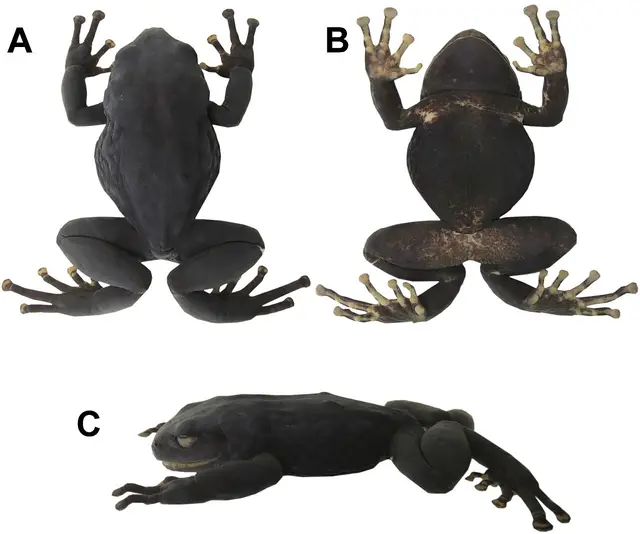
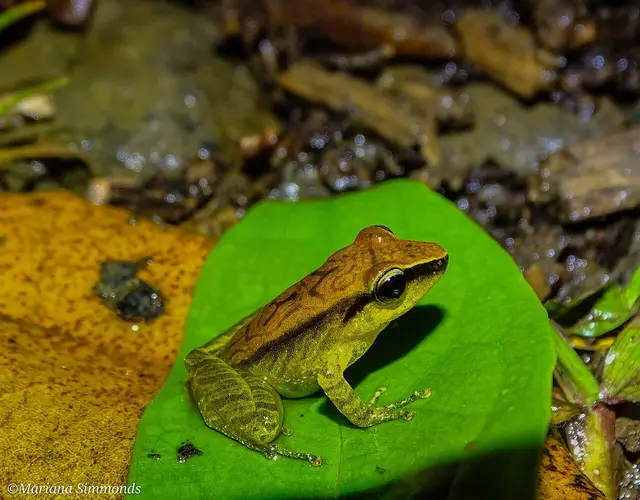
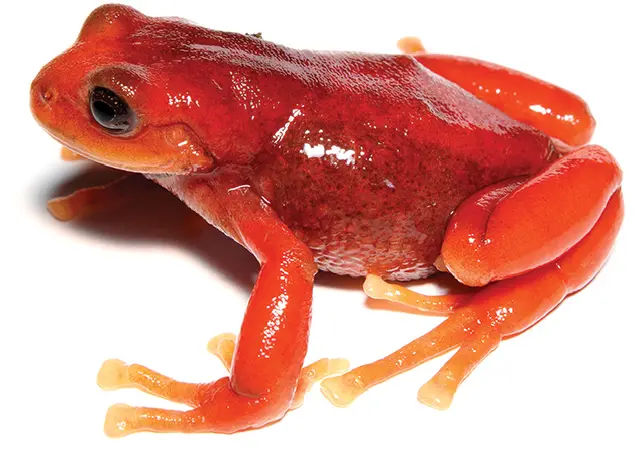
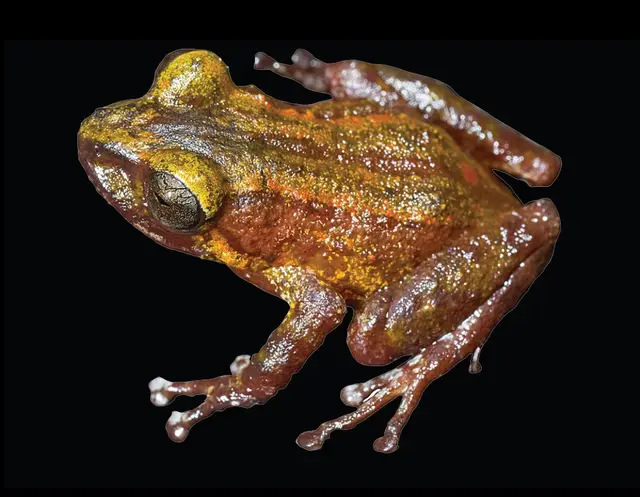
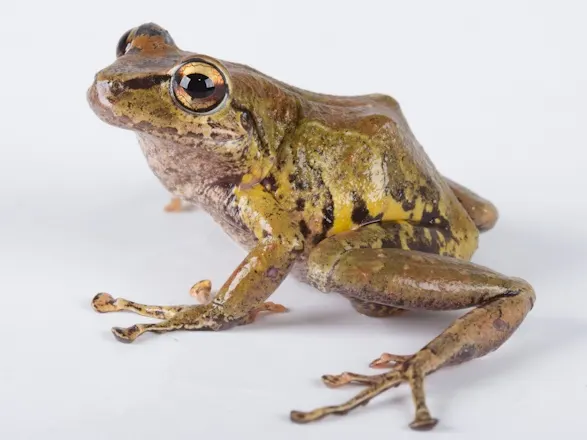
The Mindo rainfrog (Pristimantis mindo) is a small forest frog found only in Ecuador, in the moist montane forest of the northwest. It was named in 2013, and the IUCN Red List rated it Endangered in 2022 because it lives in few places and its forest is shrinking.
A recently described frog
Pristimantis is a huge genus of rainfrogs, and many of its members look alike. This one was described in 2013 by Arteaga-Navarro, Yáñez-Muñoz and Guayasamin, and the name is still accepted in GBIF's taxonomy.
Because it is so new to science, little has been published about its appearance or habits.
Where it lives
It is endemic to Ecuador. The IUCN assessment describes it as a species of moist montane forest, known from three to five locations at elevations of about 1,243 to 1,790 m, and not a migrant.
GBIF holds 69 occurrence records, dated 2001 to 2025, most of them from Pichincha and Imbabura provinces, with a few from Santo Domingo de los Tsáchilas. Of these, 29 are preserved specimens, 29 are tissue or other material samples, and 11 are field observations. That elevation band spans roughly 550 m of slope, a narrow strip of forest. The most records come from 2017 (18), which suggests a burst of survey effort that year. The assessment lists only moist montane forest as habitat, with no use of modified land recorded.
Pins are Wikidata “endemic to” fields. Orange dots, when present, are GBIF occurrence tiles — survey bias included.
Why it is in trouble
The assessment ties the Endangered listing to its small range and to continuing loss of habitat quality. The threats it names are small-holder farming and grazing or ranching, roads, and accidental effects of small-scale harvesting of forest resources. Together these convert and degrade the forest the frog depends on.
The population trend is listed as unknown, and no population estimate exists.
What is being done
The assessment records that the species does not occur in any protected area, and it lists no conservation actions as under way.
Sources
Written for this catalog in our own words from the sources below, checked against them on 12 November 2026. Population figures are estimates and carry the year they were made. Status and assessment year: IUCN. 2026. The IUCN Red List of Threatened Species. Version 2026-1. iucnredlist.org.