Endangered
Pachypanchax sparksorum
Pachypanchax sparksorum
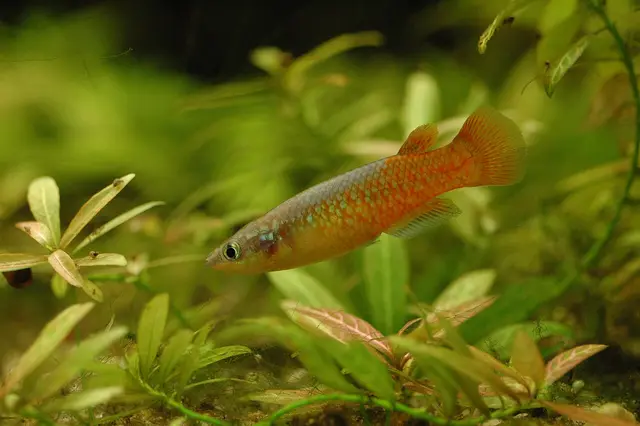
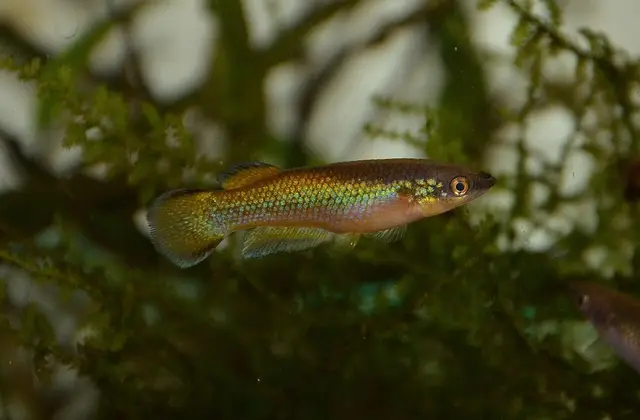
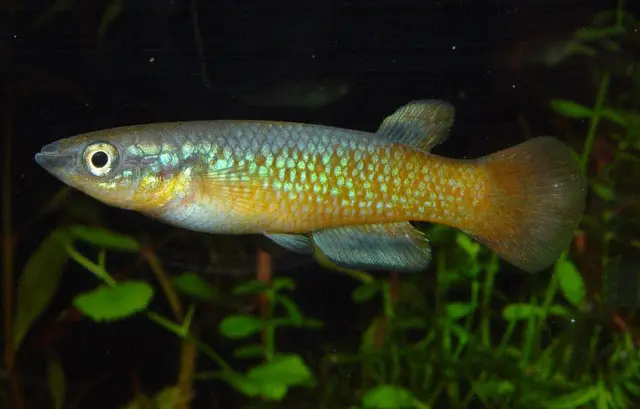
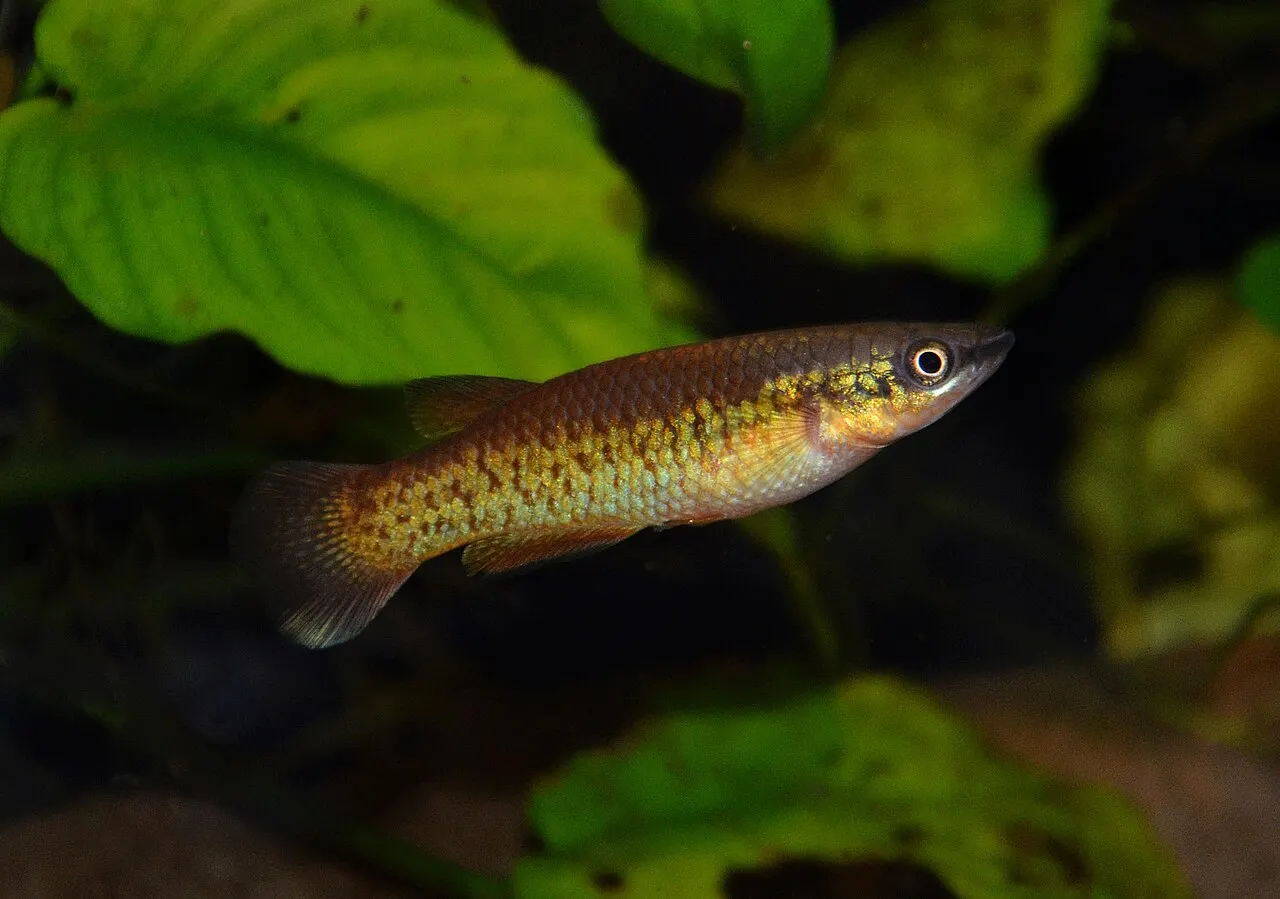
Sparks' killifish (Pachypanchax sparksorum) is a small freshwater fish found only in northern Madagascar, in the Anjingo River and streams of the Ankofia River drainage. The IUCN Red List assessed it as Endangered in 2016, with a decreasing population known from just two locations.
How to recognise it
This is an aplocheilid killifish, a family of small freshwater fishes. Its describer, Paul Loiselle, counted 10 to 11 gill rakers on the first gill arch and 14 to 16 pectoral-fin rays. FishBase gives a maximum standard length of 5.5 cm.
Where it lives
The fish is endemic to Madagascar. Loiselle described it in 2006, in a review of the island's Pachypanchax that named four new species. The holotype, a 53.6 mm male, was collected at Bentainkilotra Creek in the Ankofia River drainage in October 2004. The species honours ichthyologist John Sparks and his wife Karen Riseng Sparks, who collected much of the type series.
It is known from streams flowing into the Ankofia River and from the Anjingo, that river's main tributary. Whether it also occurs in the next drainage to the north, the Maevarano, had not been established when it was described. The IUCN counts two locations in total and estimates the extent of occurrence at 610 square kilometres.
The IUCN lists two habitats: permanent rivers, streams and creeks including waterfalls, and irrigation channels on farmland. It is classed as a non-migratory freshwater fish. FishBase reports that it feeds on small shrimps and on terrestrial and aquatic insects.
Pins are Wikidata “endemic to” fields. Orange dots, when present, are GBIF occurrence tiles — survey bias included.
Why it is in trouble
The 2016 assessment rates the species Endangered under criterion B1ab(i,ii,iii,v), which applies to a small range, few locations and continuing decline. The IUCN records continuing decline in population, in extent of occurrence and in area of occupancy. The stress listed is degradation of its ecosystem, and the cause is not recorded.
The original 2006 description reportedly described the fish as present in substantial numbers throughout its range, so the more recent assessment marks a worse outlook.
What is being done
The IUCN lists site and area management and awareness and communications as conservation actions needed. No population size has been published.
Sources
Written for this catalog in our own words from the sources below, checked against them on 12 November 2026. Population figures are estimates and carry the year they were made. Status and assessment year: IUCN. 2026. The IUCN Red List of Threatened Species. Version 2026-1. iucnredlist.org.