Endangered
Pachypanchax patriciae
Pachypanchax patriciae
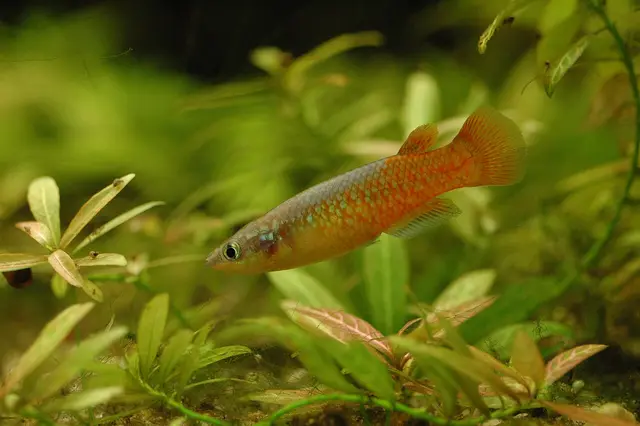
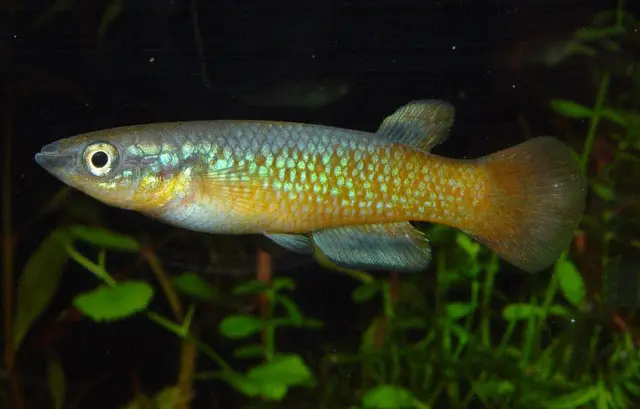
Pachypanchax patriciae is a small killifish found only in northwestern Madagascar, in a handful of river basins. Males come in red and blue colour forms. The IUCN Red List rated it Endangered in 2016, citing a small range, four known locations and continuing habitat decline.
How to recognise it
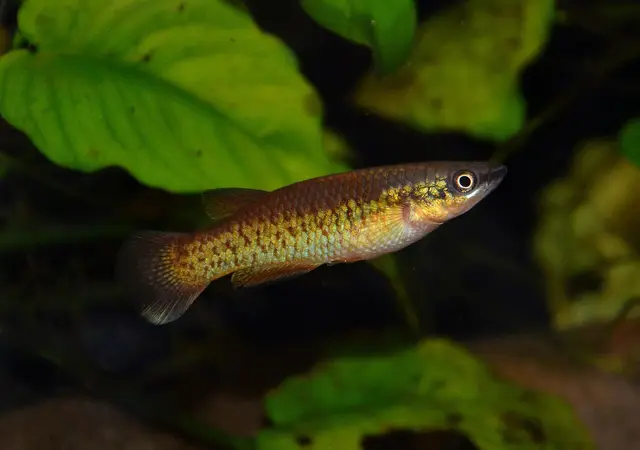
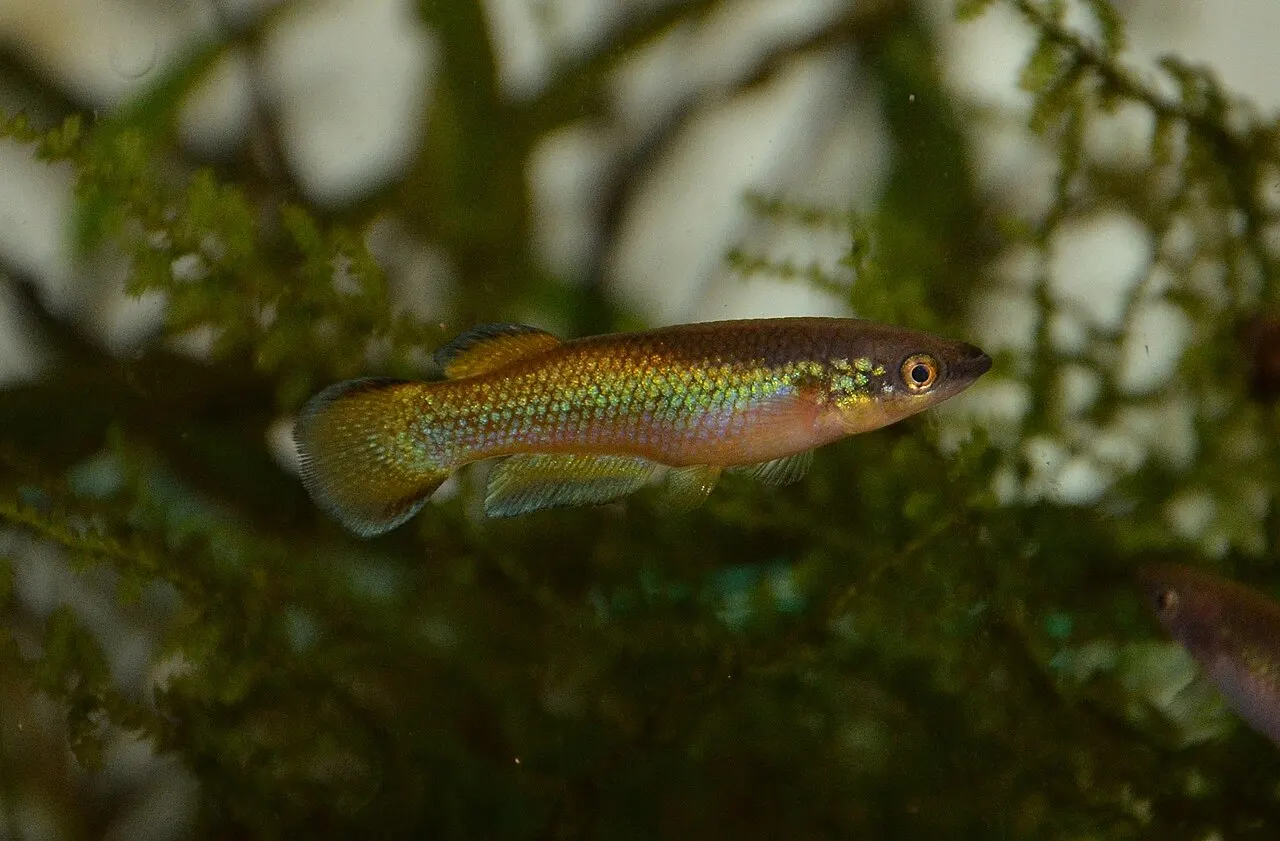
This is a killifish described in 2006 by Paul Loiselle of the New York Aquarium. Males are colour polymorphic and occur in red and blue morphs, which is the feature most people notice.
It stays small. FishBase gives a maximum length of 5.2 cm (standard length) for males or unsexed fish.
Where it lives
The species is endemic to Madagascar and occurs in the basins of the Mananjeba, Mahavavy du Nord, Ifasy, Manehoko and Ampandra rivers in the northwest. Sites named in the original description include the Ampandra River, an oxbow lake of the Ifasy River and a creek connected to the Mahavavy du Nord. The IUCN counts four locations and an extent of occurrence of about 1,760 square kilometres.
Habitat varies. It lives in small, acidic, tannin-stained rivers with soft water, clay or sand bottoms and plenty of organic debris, and also in larger rivers that flood seasonally and run clearer and harder. FishBase lists a pH range of 5.0 to 7.2. The IUCN lists permanent rivers and small permanent pools and marshes as habitat.
Pins are Wikidata “endemic to” fields. Orange dots, when present, are GBIF occurrence tiles — survey bias included.
How it lives
It feeds on terrestrial and aquatic insects. Fish-eating birds and dragonfly nymphs are its main predators, according to FishBase. The IUCN describes it as non-migratory.
Details of its breeding in the wild haven't been published in the sources found.
Why it is in trouble
The 2016 assessment records ecosystem degradation and direct mortality as stresses. It lists an ongoing threat of unrecorded cause and small-scale harvest by local people, a small artisanal fishery, both scored as low impact. The area it occupies and its population are both recorded as continuing to decline, though the overall population trend is marked unknown. Introduced alien fishes reportedly pose a risk in some areas.
The species occurs in at least one protected area.
What is being done
The IUCN lists awareness and communication work, policies and regulations, and habitat restoration among the conservation actions needed. Research priorities include its life history, population size and distribution, and harvest levels.
The species is named after Patricia Yazgi, who supported the documentation and conservation of Madagascar's freshwater fishes, according to FishBase.
Sources
Written for this catalog in our own words from the sources below, checked against them on 12 November 2026. Population figures are estimates and carry the year they were made. Status and assessment year: IUCN. 2026. The IUCN Red List of Threatened Species. Version 2026-1. iucnredlist.org.