Endangered
Nyctibatrachus danieli
Nyctibatrachus danieli
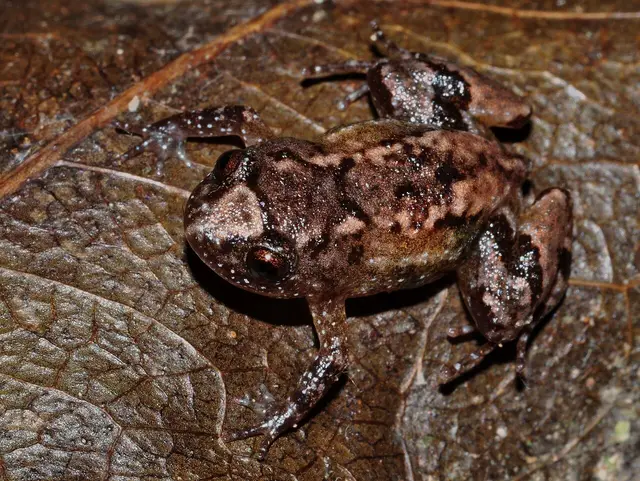
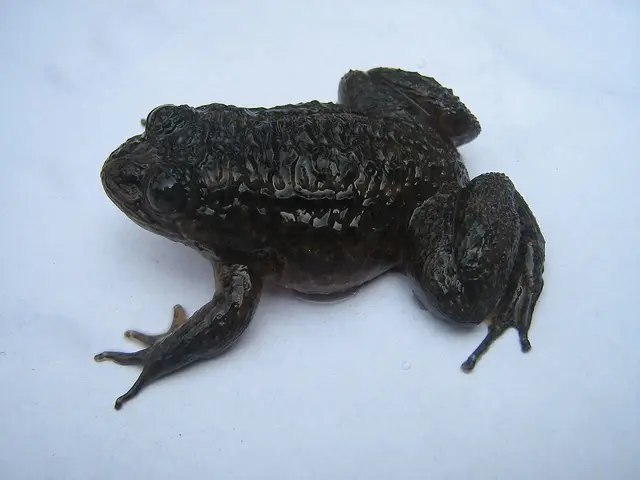
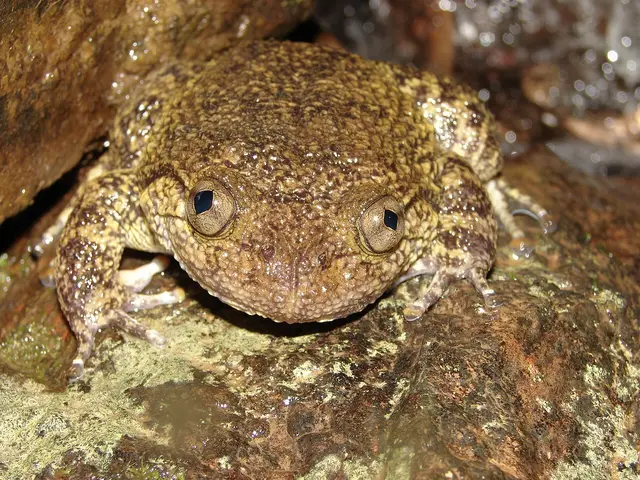
Daniel's night frog (Nyctibatrachus danieli) is a small stream frog from the Western Ghats of Maharashtra, India, reported from only two places, Humbarli village and Amboli. The IUCN Red List lists it as Endangered (assessed 2022) because its range is tiny and its habitat is declining.
How to recognise it
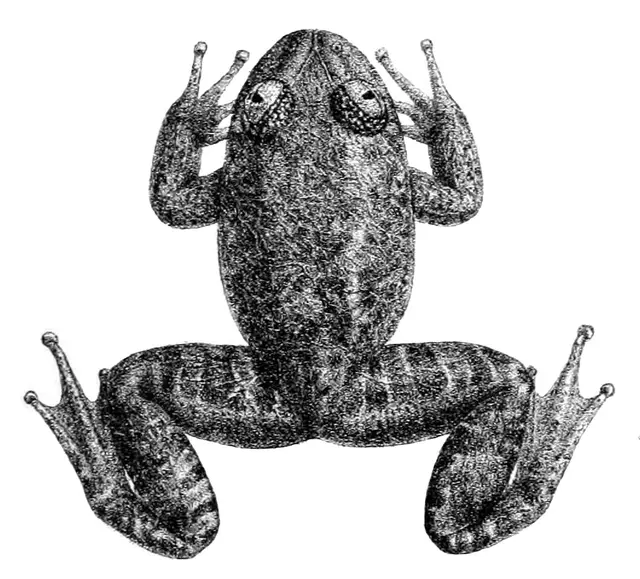
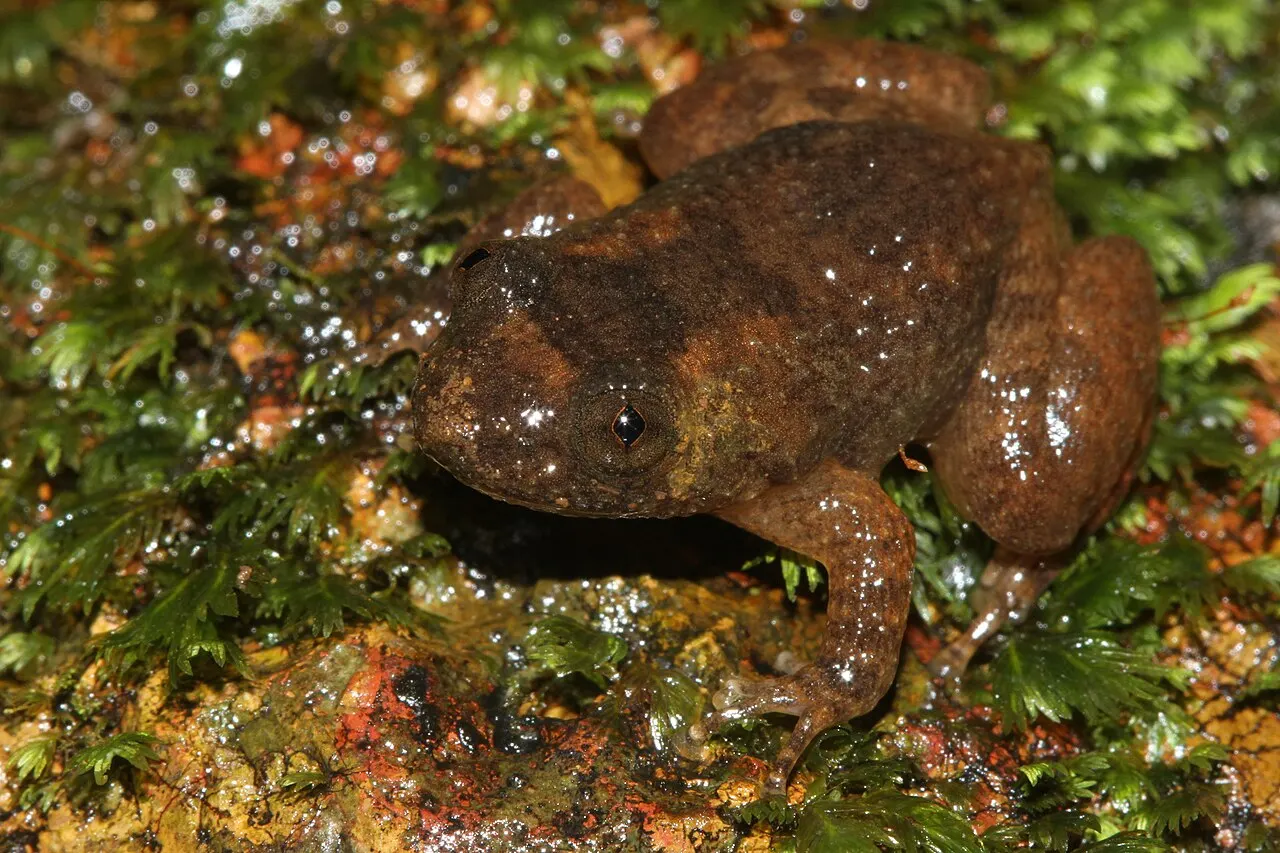
Night frogs (genus Nyctibatrachus) are frogs of hill streams in India. Daniel's night frog, also called Daniel's wrinkled frog, has dorsal skin that is prominently wrinkled or granular, a feature that helps separate it from at least one relative, N. athirappillyensis, whose back is less wrinkled.
It was described only in 2011, in a Zootaxa review of the genus in the Western Ghats that recognised 27 species and named twelve of them as new. The name honours J. C. Daniel, reportedly for his contributions to Indian wildlife research. The species is named from material collected at Humbarli village in Koyna, Maharashtra.
Where it lives
Only two localities are widely cited, both in Maharashtra: Humbarli village, and Amboli, in the southern part of the state. The Red List puts the extent of its range at about 2,660 square kilometres and counts two to five separate locations. It has been recorded at roughly 720 to 812 metres above sea level.
The habitats listed are permanent streams and waterfalls, moist forest, and rocky areas. The IUCN records that at least part of the range lies inside a protected area. The global record is thin: GBIF holds only 17 records, 15 of them preserved museum specimens, with years from 2002 to 2022 where a year is given.
Pins are Wikidata “endemic to” fields. Orange dots, when present, are GBIF occurrence tiles — survey bias included.
Why it is in trouble
The Red List classes the species as Endangered under criterion B1ab(iii), which applies to small ranges with few locations and a continuing decline in habitat. Its population trend is recorded as decreasing, although no population size has been estimated.
The threats named are mining and quarrying (rated low impact), future droughts and small dams (both rated negligible so far). Chytrid fungus, the disease that has hit amphibians worldwide, is listed as a threat of unknown scope and severity. How many of these frogs remain has not been measured.
What is being done
The assessment records site protection and habitat protection as the actions needed, and it calls for research on taxonomy, population size and trends, life history, habitat trends and threats. Little is published about the frog's daily life, so further fieldwork at the known sites is where most of the answers will come from.
Sources
Written for this catalog in our own words from the sources below, checked against them on 12 November 2026. Population figures are estimates and carry the year they were made. Status and assessment year: IUCN. 2026. The IUCN Red List of Threatened Species. Version 2026-1. iucnredlist.org.