Endangered
Nyctibatrachus beddomii
Nyctibatrachus beddomii
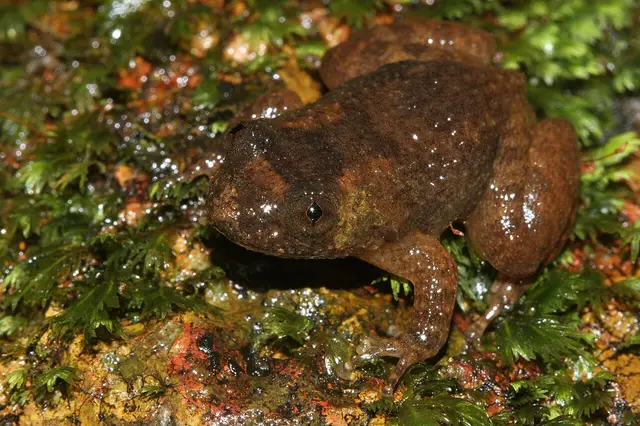
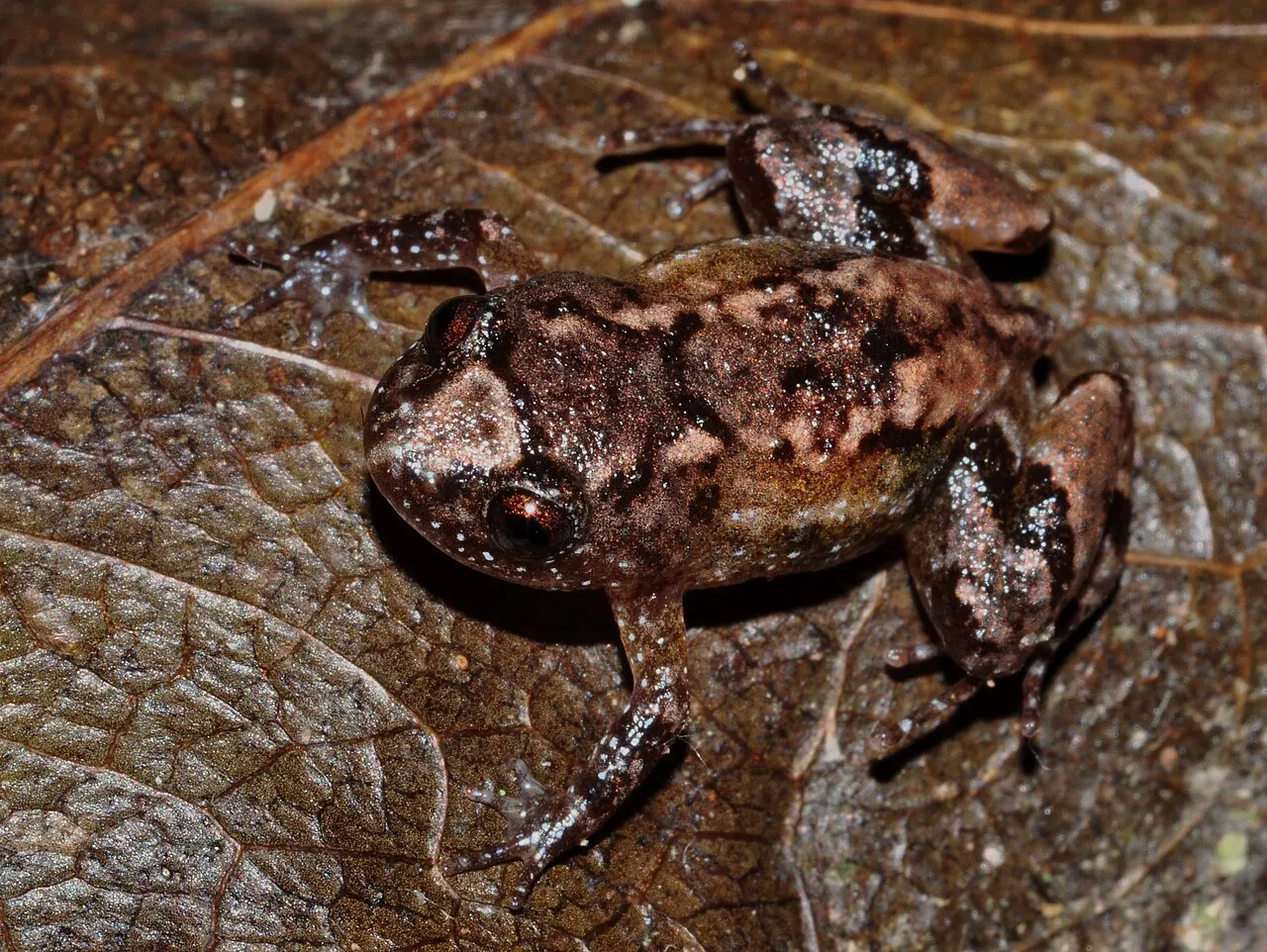
Beddome's night frog is a tiny frog of the southern Western Ghats in India, living in leaf litter and wet ground beside forest streams in Kerala and Tamil Nadu. The IUCN Red List lists it as Endangered (assessed in 2020, published 2023) because its range is small, broken up and shrinking.
How to recognise it
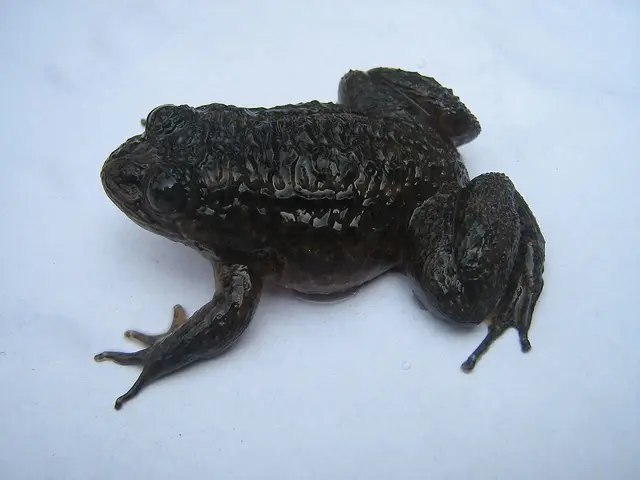
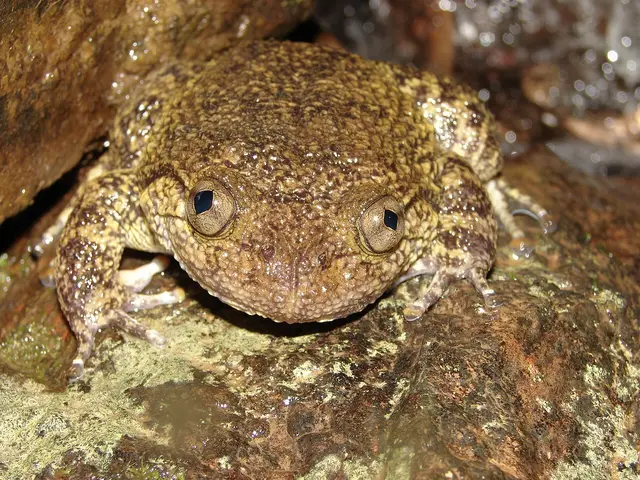
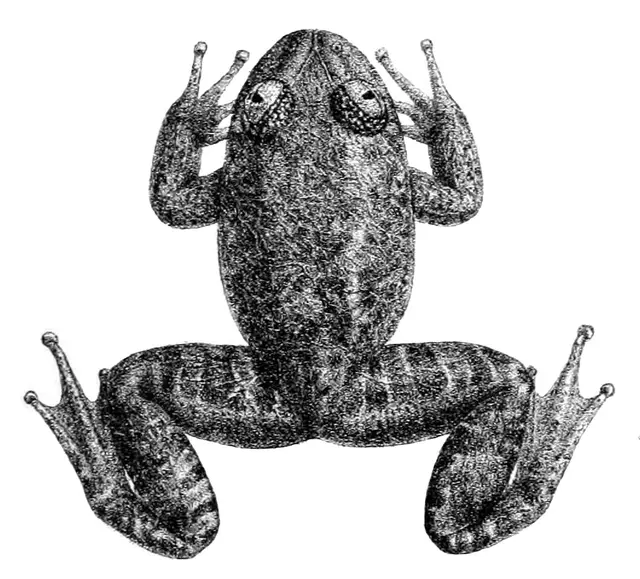
Adults measure only about 13 to 18 mm, so this is one of the miniature night frogs. It belongs to the family Nyctibatrachidae, and Boulenger first described it in 1882 under the name Nannobatrachus beddomii. The name honours Colonel Richard Henry Beddome, a British naturalist and army officer.
Its toes have no webbing, the skin on its back is finely granular, and the head is wider than long. A 2017 study of Western Ghats night frogs grouped it with the miniature species and used these features to tell it apart from several similar tiny night frogs. It's also known as the pigmy wrinkled frog, Beddome's dwarf wrinkled frog and Tirunelveli's hill frog.
Where it lives
The species is endemic to India, found in the southern Western Ghats in Kerala and Tamil Nadu. The 2023 assessment places it between about 980 and 1,425 m above sea level, across five locations, with an estimated range of roughly 1,610 square kilometres.
It's a semi-terrestrial frog. It shelters in leaf litter and under rocks and logs in moist forest, both lowland and montane forest, and is often found in swampy ground and shallow waterlogged patches along forest streams.
Pins are Wikidata “endemic to” fields. Orange dots, when present, are GBIF occurrence tiles — survey bias included.
Why it is in trouble
The Red List describes the population as severely fragmented, with its habitat area still declining and the frog's numbers decreasing. Clearing of forest for farming, from both large agricultural operations and small holdings, heads the list of pressures. Smaller ones include rubbish dumped in its habitat, tourism and recreation, large dams, and small-scale accidental harvest.
The amphibian chytrid fungus, Batrachochytrium dendrobatidis, is listed among the possible threats, although its actual effect on this frog is unknown.
What is being done
The frog occurs in at least one protected area. The assessment lists site protection, habitat protection, awareness work and policy measures as the conservation actions in place or needed, and it flags population trends and threats as research priorities. No species-specific recovery plan is recorded.
Sources
Written for this catalog in our own words from the sources below, checked against them on 12 November 2026. Population figures are estimates and carry the year they were made. Status and assessment year: IUCN. 2026. The IUCN Red List of Threatened Species. Version 2026-1. iucnredlist.org.