Endangered
Millepora tenera
Millepora tenera
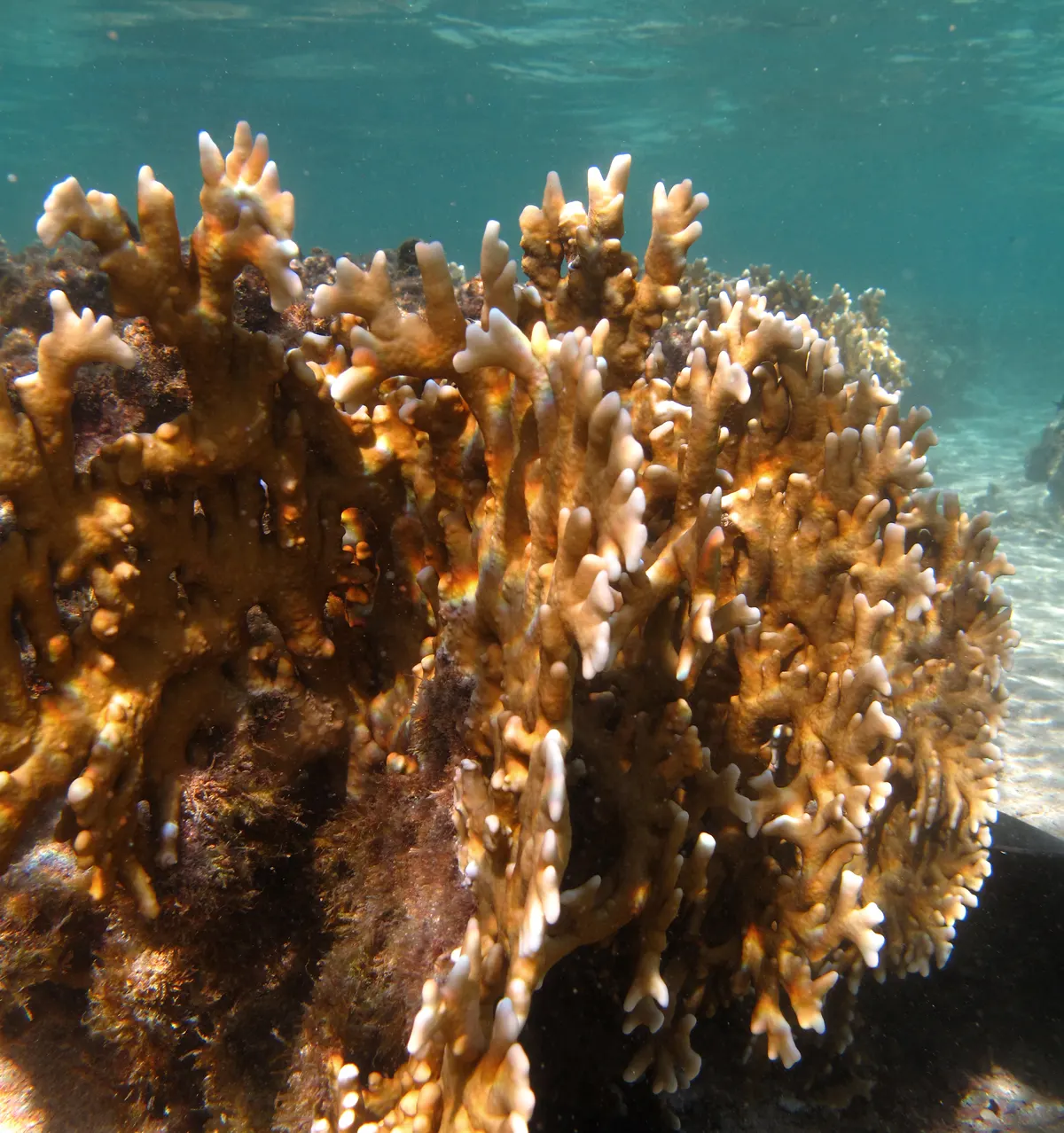
Millepora tenera is a branching fire coral of shallow Indo-Pacific reefs, recorded from the Red Sea and East Africa to Southeast Asia, Australia and Pacific islands. The IUCN Red List rated it Endangered in 2024, projecting a steep future decline. Despite its name it is a hydrozoan, not a true coral.
How to recognise it
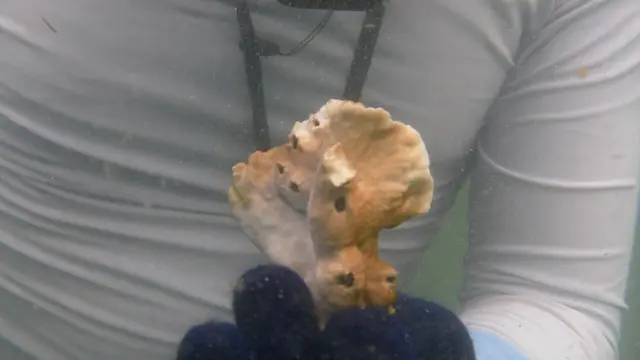
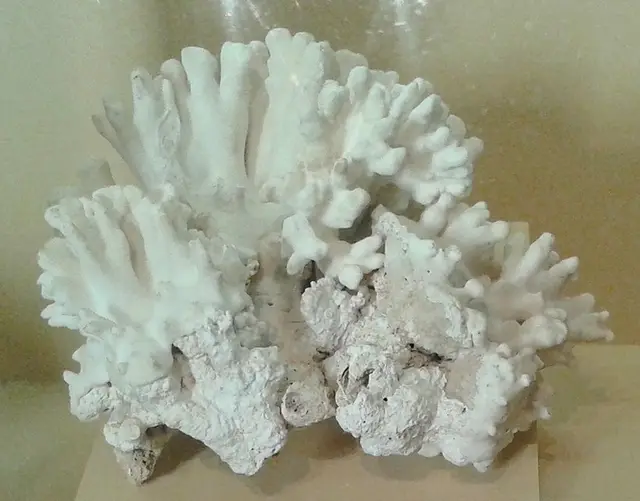
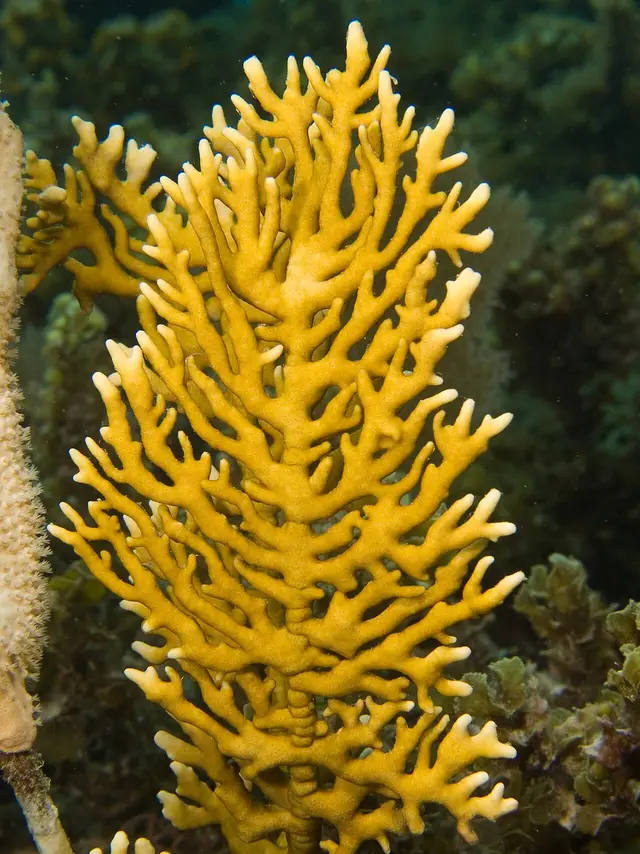
This species forms branching colonies with a hard calcium carbonate skeleton, and some colonies look much like Millepora dichotoma, a fire coral thought to be restricted to the Red Sea. Colony size is reported very differently: an aquarium reference gives a maximum of about 30 cm, while a Marshall Islands account describes colonies at least 3 m across.
Like all fire corals it stings. Touching it with bare skin can cause a painful rash. An aquarium reference advises rinsing with seawater or vinegar rather than fresh water or alcohol, and seeing a doctor if sweating, dizziness or palpitations follow.
Where it lives
The Red List records it as native in more than 70 countries and territories, from the Red Sea and the Gulf through East Africa, the Indian Ocean islands and South Asia to Southeast Asia, Australia, Japan and many Pacific island groups.
It lives on coral reefs, from the surface down to about 15 m according to the Red List. It is reportedly often found in turbid water and tolerates some siltation. A Marshall Islands account places it in both shallow lagoon and seaward reef settings.
Pins are Wikidata “endemic to” fields. Orange dots, when present, are GBIF occurrence tiles — survey bias included.
How it lives
Millepora tenera hosts symbiotic algae (zooxanthellae) that supply much of its energy, and it also catches plankton with the small tentacled polyps that sit between the branches. One reference puts the algae's share at up to 75 percent.
It is described as a weed-like species that is among the first to recolonise damaged reef, yet a colony may need more than 8 years to reach maturity. The Red List uses a generation length of 10 years.
Why it is in trouble
Heat stress is a major worry. The branching form appears to be the most temperature-sensitive fire coral, and a series of bleaching episodes between 2009 and 2016 killed much of the branching form at Kwajalein in the Marshall Islands. One colony of at least 2 m across was healthy in February 2013 but bleached completely that November and did not recover.
The 2024 assessment lists a decreasing population and projects a reduction of about 61 percent in the future, based on decline in habitat quality and the effects of pathogens, pollutants, competitors or parasites. Other pressures, including siltation, storms, tourism and coastal development, are each scored as a low impact. It was rated Least Concern in 2014.
What is being done
The species is listed in CITES Appendix II, which regulates international trade. The Red List names site protection, site management, habitat restoration, species recovery, captive propagation and genome banking as needed actions. It is unknown whether the species occurs in a protected area.
Sources
Written for this catalog in our own words from the sources below, checked against them on 12 November 2026. Population figures are estimates and carry the year they were made. Status and assessment year: IUCN. 2026. The IUCN Red List of Threatened Species. Version 2026-1. iucnredlist.org.