Critically Endangered
Millepora complanata
Millepora complanata
The blade fire coral (Millepora complanata) is a stinging, blade-shaped hydrozoan that grows on shallow Caribbean reefs. It is still widespread, yet the IUCN Red List rated it Critically Endangered in 2022, because warming seas are projected to bleach reefs far more often. Fire corals are also in CITES Appendix II.
How to recognise it
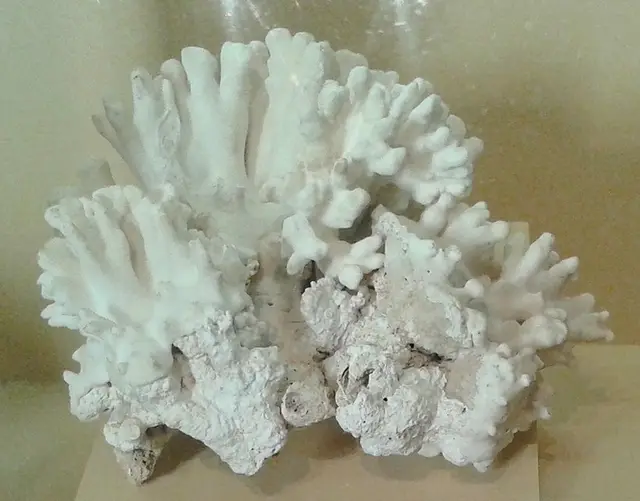
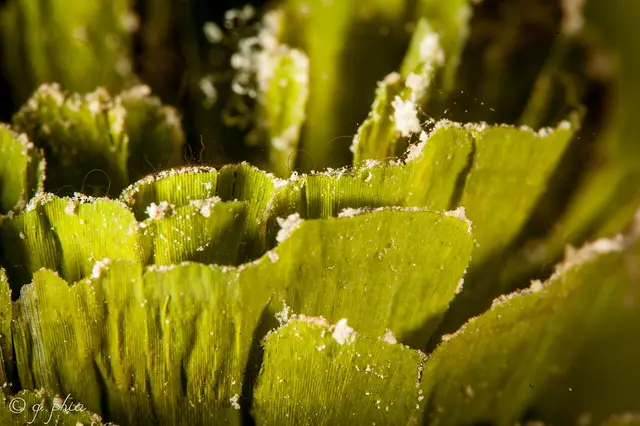
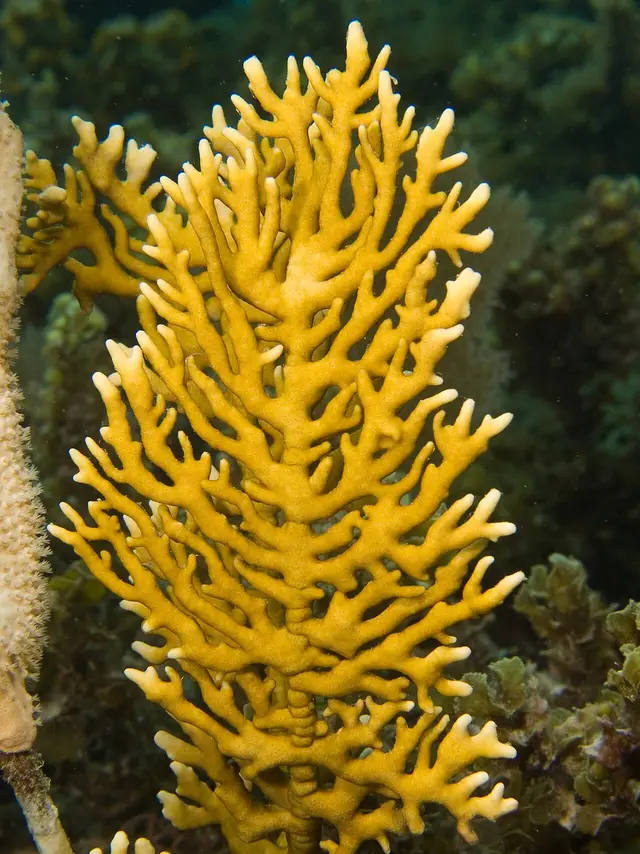
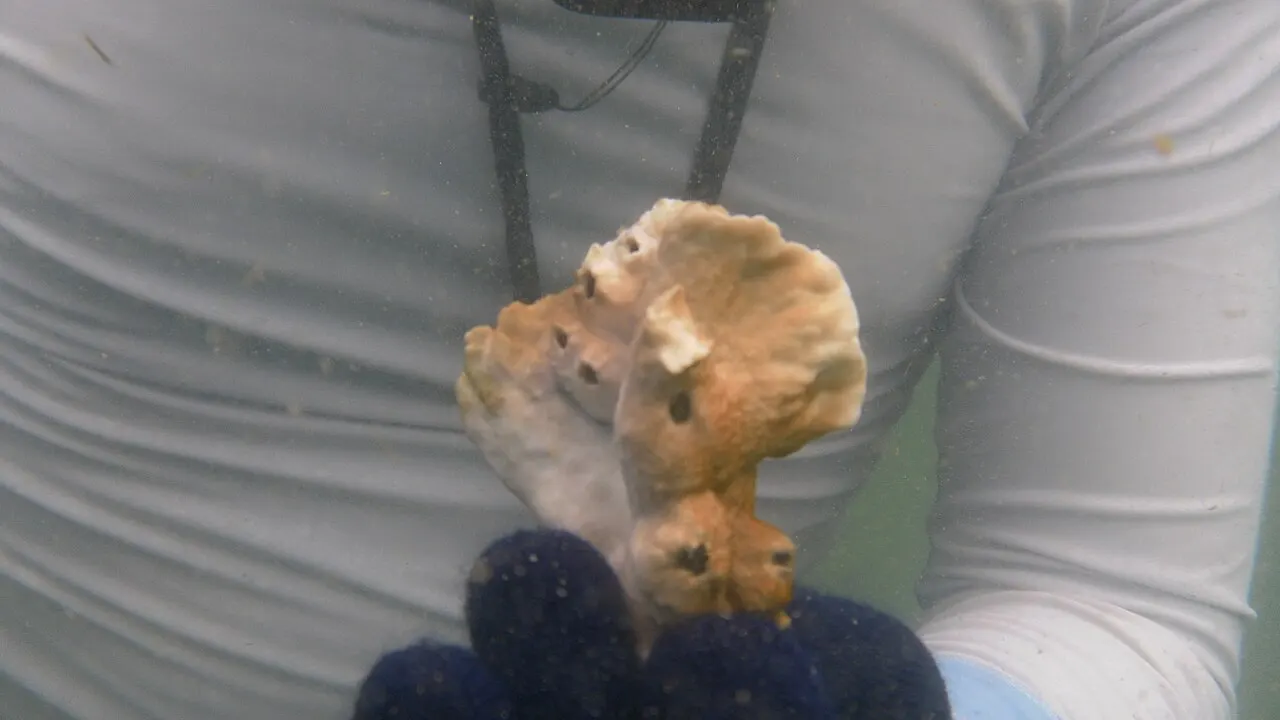
Fire corals look like corals but belong to the hydrozoans, the group that includes the freshwater polyp Hydra. This species forms an encrusting base from which thin, upright blades rise, reaching up to about 50 cm. The blades are pale brown or cream with white tips. In places with strong currents, colonies can stay low and close to the size of their base.
Touching one produces a sharp, burning sting, which gives the genus its name. Fire coral venom is considered nonlethal to people, but the pain can last from two days to two weeks, and the hard skeleton can also scrape skin.
Where it lives
It is native to shallow coral reefs across the western Atlantic, from the northeastern Yucatan Peninsula and south Florida through the Bahamas and the Caribbean to Trinidad and Tobago. The IUCN lists 41 countries and territories. It lives from the surface down to about 15 m.
It does best where water moves strongly and is cloudy, and it tolerates silt better than many corals do. The IUCN calls it abundant to common in Florida, the Bahamas and the Caribbean.
Pins are Wikidata “endemic to” fields. Orange dots, when present, are GBIF occurrence tiles — survey bias included.
How it lives
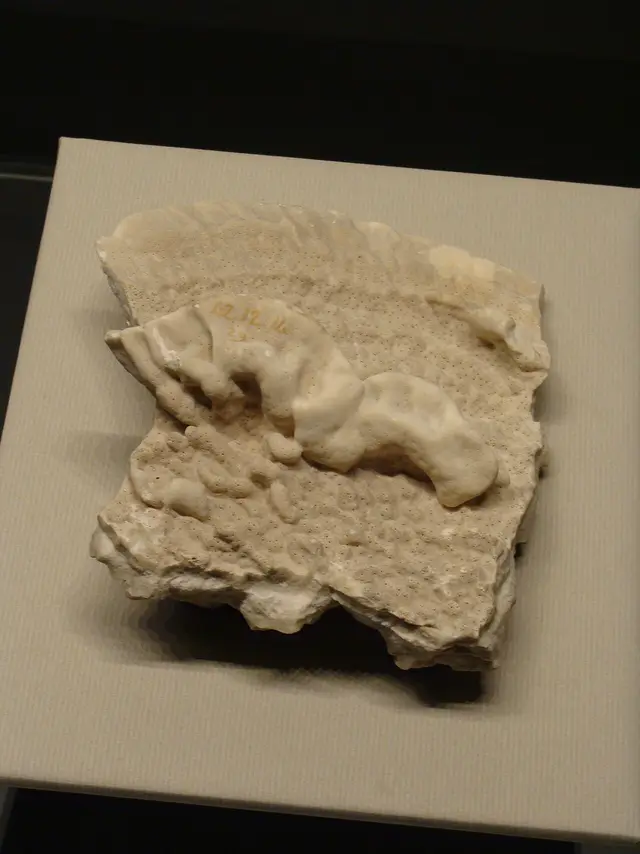
The colony is a skeleton of limestone with tiny polyps sitting in pores on its surface. Stinging polyps catch zooplankton, mostly copepods, and feeding polyps take the prey in, mainly at night. Algae living inside the tissue supply much of its carbon through photosynthesis.
Fire corals alternate between generations. A polyp releases a tiny medusa that spawns, and the fertilized eggs become larvae that settle to start new colonies. Broken pieces can reattach, which helps the coral recolonise damaged reef. The IUCN uses a generation length of 10 years.
Why it is in trouble
The Critically Endangered listing comes from criterion A3c, which looks forward. The IUCN inferred a decline of about 25% over the past three generations (30 years, since 1989) from global coral cover data. It projects a decline of at least 80% by 2050, based on when reefs are expected to suffer severe bleaching every year.
The threats listed include sedimentation, coastal development, shipping lanes, tourism, storms, temperature extremes, small-scale harvesting and disease, all rated low impact on their own. The IUCN names loss of reef habitat as the most important threat.
The picture is not simple. Fire corals suffered in the 1998 Caribbean bleaching event, though this species reportedly fared better than the related Millepora alcicornis, and some colonies regained their colour within months. A 2024 study in Science Advances found that fire coral increased in the US Virgin Islands as stony coral tissue loss disease removed other corals. So the rating rests on projected losses, while in some places the species is currently gaining ground.
What is being done
Parts of its range overlap marine protected areas. Fire corals of the genus Millepora are listed in CITES Appendix II, so international trade is regulated. They are sometimes collected for curios and jewellery.
The IUCN lists species recovery, site protection and management, habitat restoration, captive breeding and a genome resource bank among the actions that could help, and it recommends more research on population trends and threats. The IUCN does not say that captive breeding or a gene bank exists for this species.
Sources
Written for this catalog in our own words from the sources below, checked against them on 12 November 2026. Population figures are estimates and carry the year they were made. Status and assessment year: IUCN. 2026. The IUCN Red List of Threatened Species. Version 2026-1. iucnredlist.org.