Endangered
Millepora platyphylla
Millepora platyphylla
The blade fire coral (Millepora platyphylla) is a stinging hydrocoral, not a true coral, that grows in plates and blades on shallow Indo-Pacific reefs from the Red Sea and East Africa to French Polynesia. The IUCN Red List assessed it as Endangered in 2024, with a decreasing population.
How to recognise it
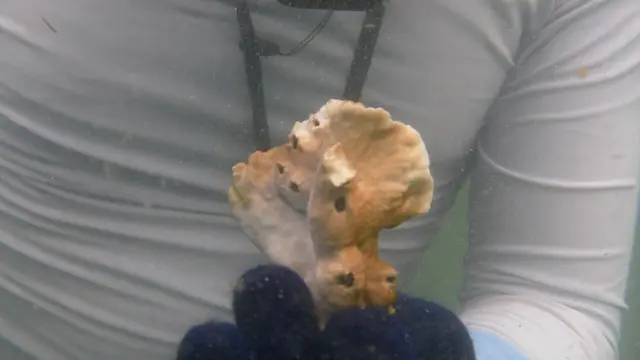
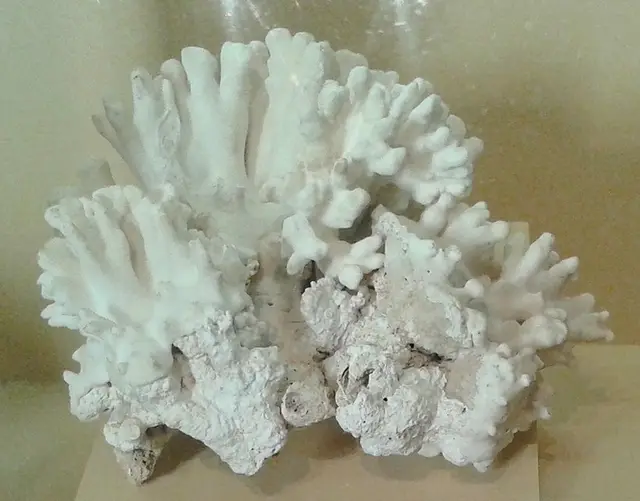
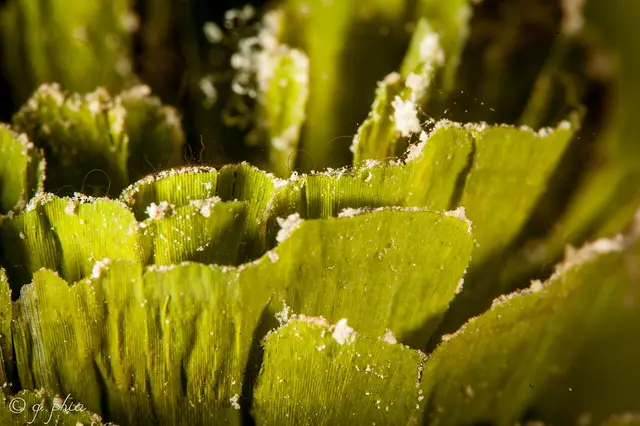
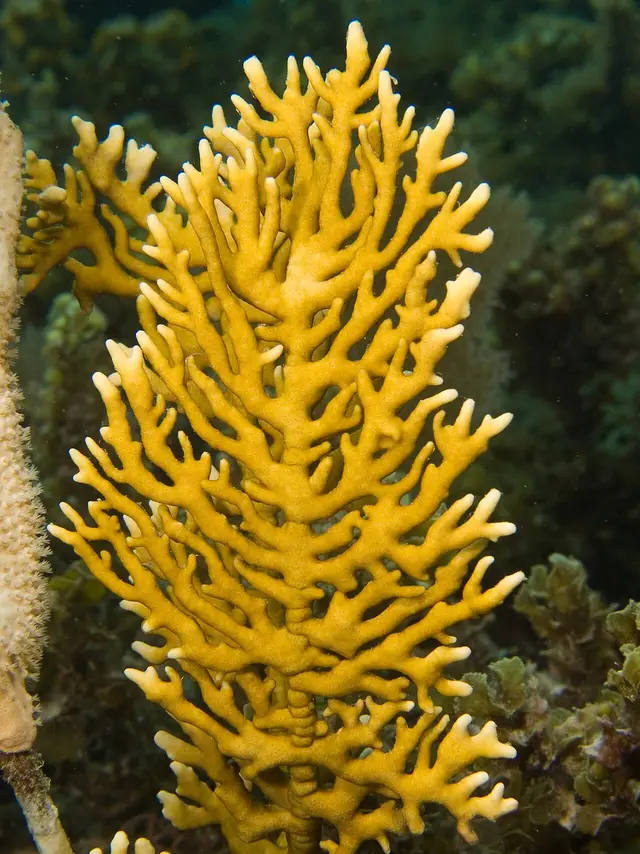
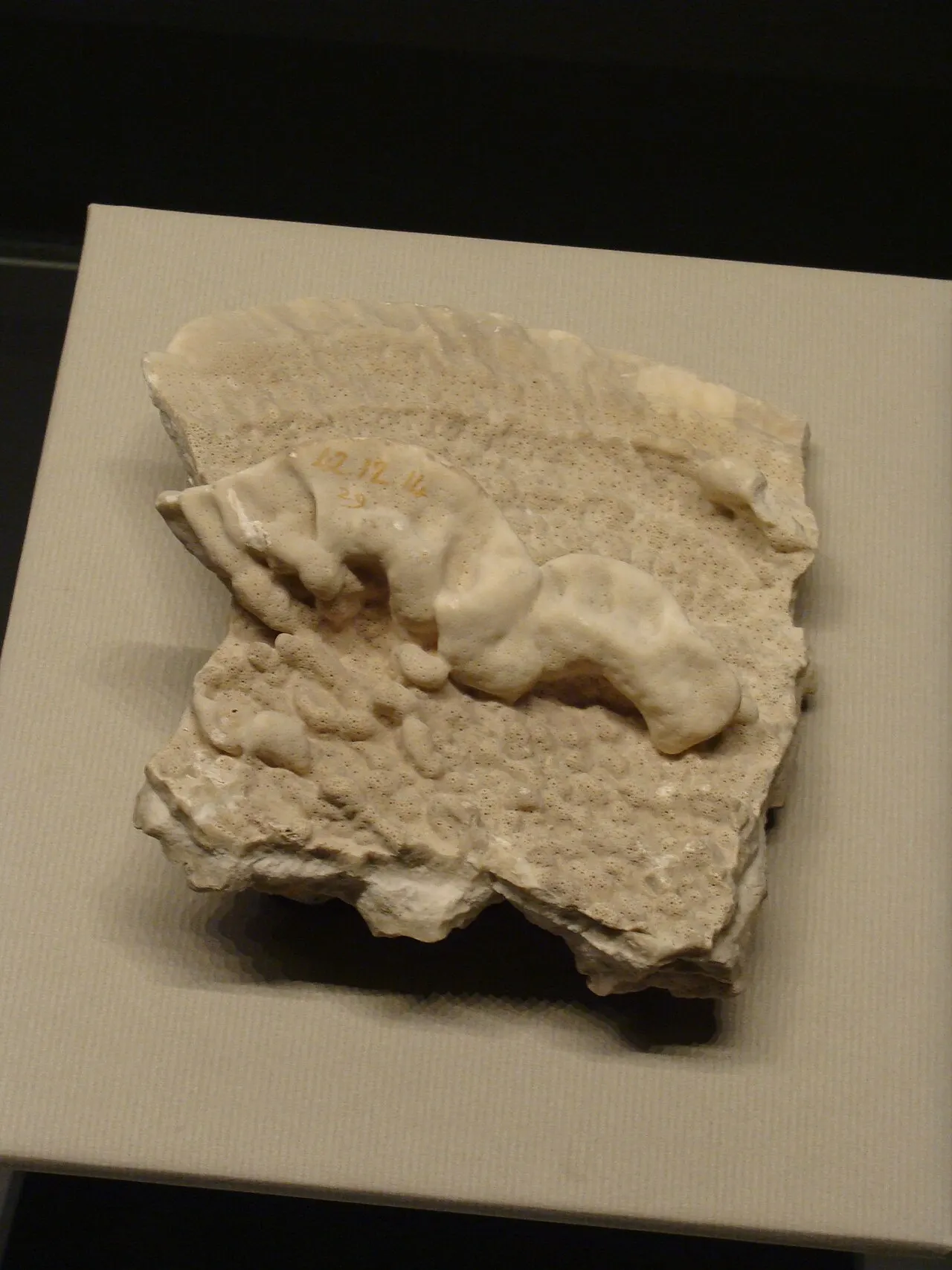
Millepora platyphylla is a hydrocoral, in the class Hydrozoa, which puts it closer to jellyfish than to true corals. It still builds a hard calcium carbonate skeleton. Colonies are yellow-green or light brown, often with white tips, and usually grow as plates or blades.
Colonies vary hugely in size, and large ones reach 2 to 3 m across. A diver working in the Marshall Islands describes upright, wide, irregular paddles, and says some flattened colonies look so much like a related species, Millepora exaesa, that the two may not be cleanly separable. Fire coral stings: its nematocysts cause a burning feeling on human skin.
Where it lives
The species ranges across the Indo-Pacific. The IUCN lists it from more than 70 countries and territories, from Egypt, Kenya and Madagascar to Indonesia, Japan, Australia and French Polynesia. Its single listed habitat is shallow coral reef, from the surface to 35 m.
It is most often found on the reef crest, usually above about 5 m, where waves are strong. A 2019 note in Zootaxa reported colonies at Clipperton Atoll, extending the species' range back into the eastern Pacific.
Pins are Wikidata “endemic to” fields. Orange dots, when present, are GBIF occurrence tiles — survey bias included.
How it lives
Fire coral colonies have two kinds of polyp. Feeding polyps have a ring of short tentacles around a mouth, and longer defensive polyps sting. The coral eats zooplankton and also gets energy from symbiotic algae living in its tissue.
Each colony is one sex. Medusa-like buds release eggs and sperm into the water, and larvae settle within about a day. Pieces broken off by waves can also grow into new colonies.
Why it is in trouble
The 2024 assessment lists many threats, including temperature extremes, storms and flooding, coastal housing and commercial development, shipping lanes, recreation and tourism, sediment and erosion, and disease. In the Marshall Islands, the diver noted that the species bleached quickly once warm water reached the atoll in 2009, and that most colonies in the places he checked were later largely dead and covered in algae.
The IUCN estimates one generation at about 10 years and records the population as decreasing, with the area of reef it occupies still declining.
What is being done
Listed conservation actions include site and area protection and management, habitat restoration, species recovery, captive breeding and a genome resource bank. The species is also reportedly on CITES Appendix II, which regulates international trade. The assessment records it as unknown whether the species occurs in any protected area.
Sources
Written for this catalog in our own words from the sources below, checked against them on 12 November 2026. Population figures are estimates and carry the year they were made. Status and assessment year: IUCN. 2026. The IUCN Red List of Threatened Species. Version 2026-1. iucnredlist.org.