Critically Endangered
Millepora squarrosa
Millepora squarrosa
Millepora squarrosa, the box fire coral, is a hydrozoan that builds a hard skeleton on shallow Caribbean and western Atlantic reefs. The IUCN Red List rated it Critically Endangered in 2022, after estimating steep reef losses. It isn't a true stony coral, but it stings like one and adds to reef structure.
How to recognise it
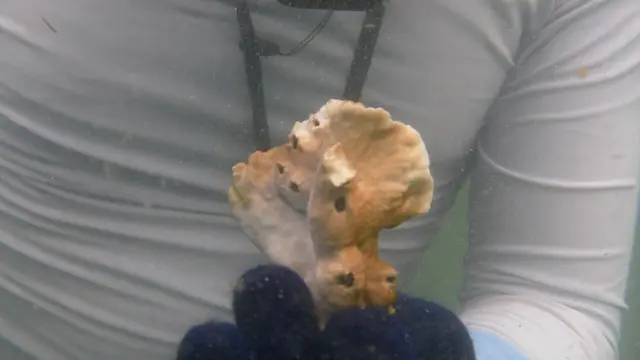
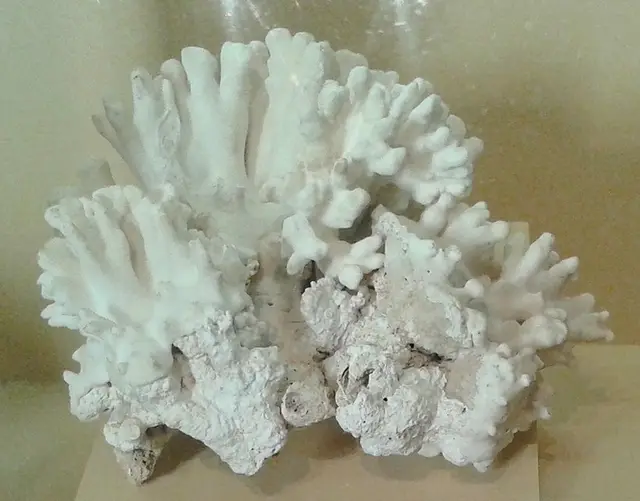
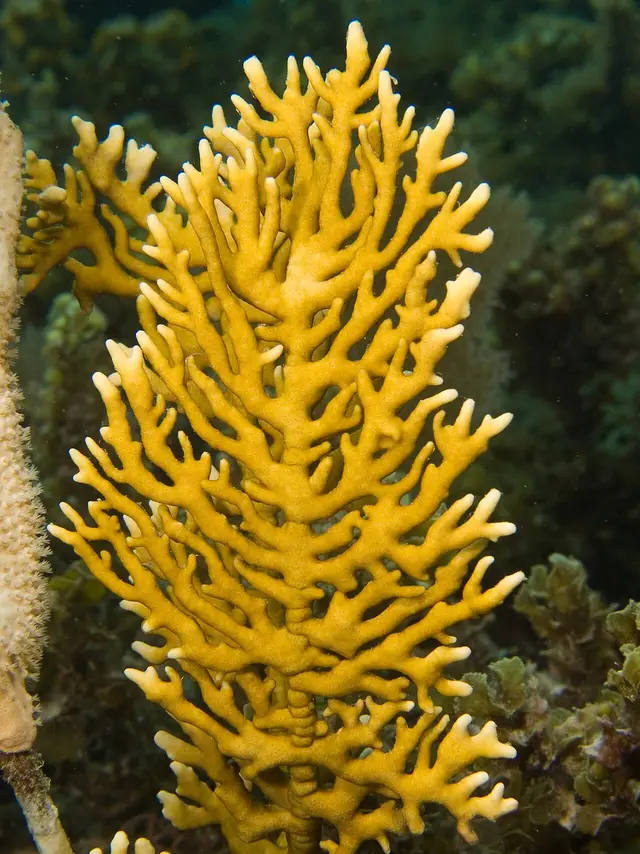
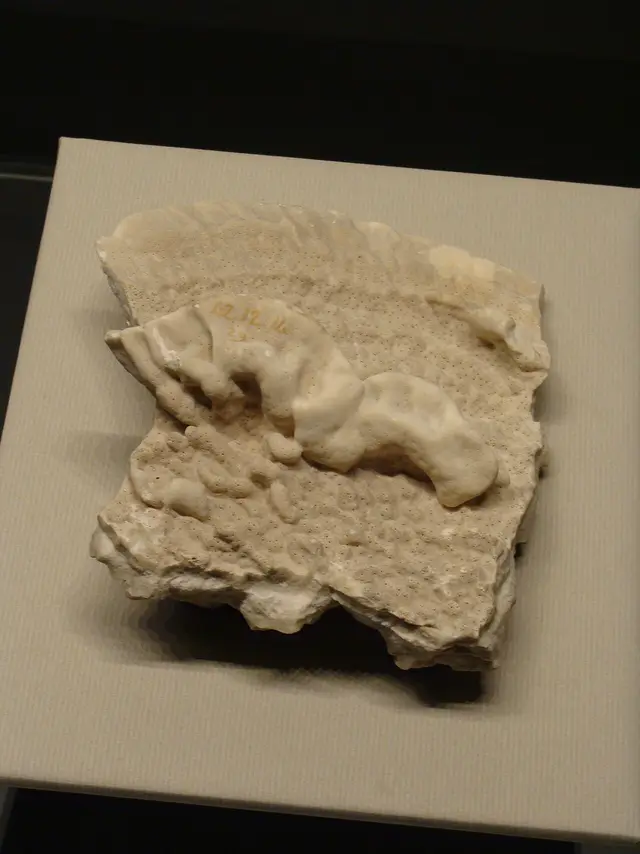
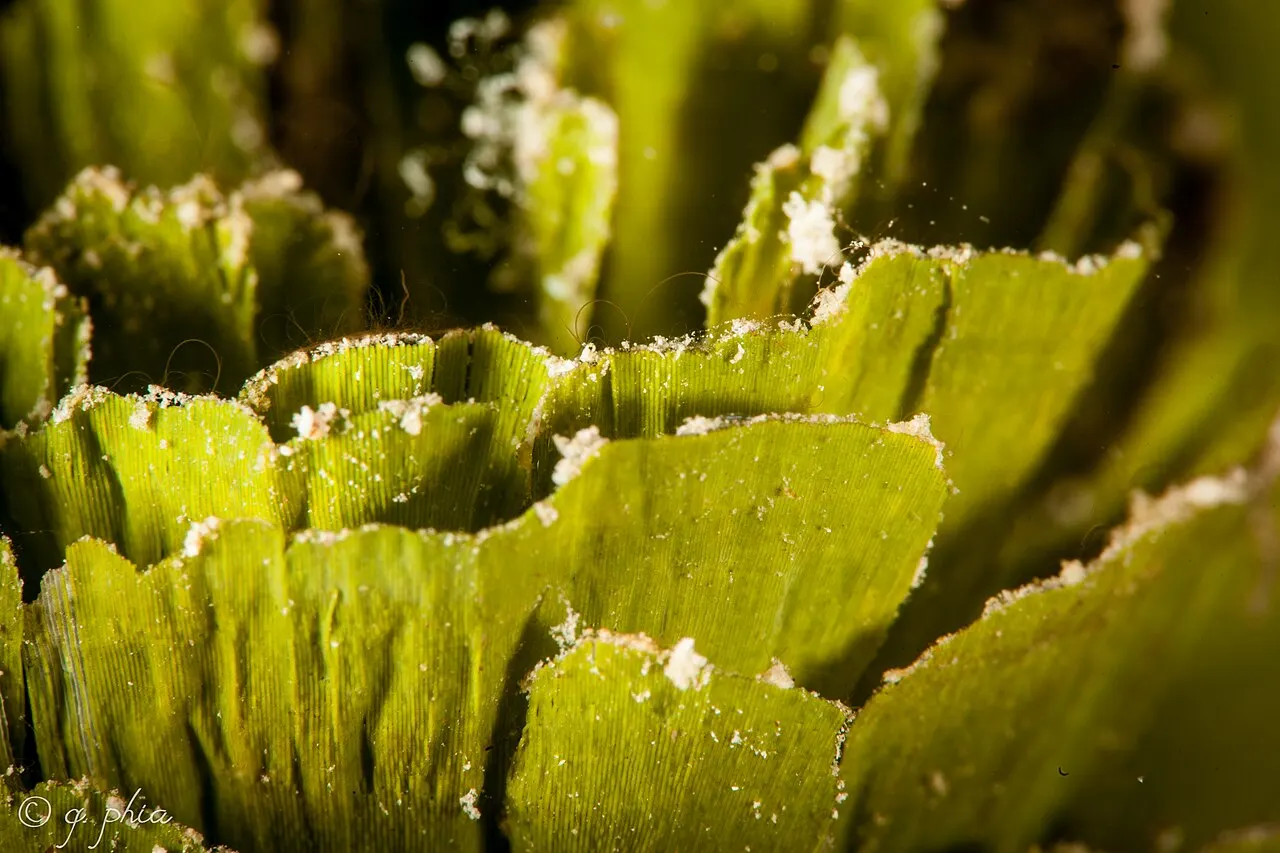
Box fire coral forms smooth, brown or tan crusts, sometimes with slight purple or red tints, covered in tiny pores where the polyps emerge. Young patches have rounded edges. Older ones turn sharper and box-like, even honeycombed, and joined masses can look cubic. That shape gives the coral its common name.
Colonies are low, reportedly reaching about 5 cm in height. Like other fire corals, it stings bare skin because of its stinging cells. It carries many defensive polyps, which sit in smaller pores than in its relatives.
Where it lives
The IUCN lists the species as present across the Caribbean, from Venezuela and Trinidad and Tobago through the Lesser Antilles to the Dominican Republic, Puerto Rico and the Virgin Islands. It also reaches the western Atlantic, as far south as Brazil, though its patches are not continuous.
The assessment gives a depth range of about 2 to 15 m, on coral reef. Other accounts say it can occur to about 20 m. It favours hard surfaces in shallow water and is more common where surf is heavy.
Pins are Wikidata “endemic to” fields. Orange dots, when present, are GBIF occurrence tiles — survey bias included.
How it lives
It captures plankton carried past by currents, and it lives in partnership with symbiotic algae. Colonies are reportedly either male or female and mature in spring or summer, spawning before dark. Eggs must be fertilised within about 12 hours, and larvae can drift for up to a month before settling.
New colonies also form when fragments break off and re-anchor. The IUCN estimates generation length at 10 years.
Why it is in trouble
The 2022 assessment estimates a past population reduction of 47 percent and projects an 80 percent reduction in the future, based on an abundance index, declining reef habitat and the effects of pathogens, pollutants or other agents. The trend is decreasing.
Fire corals are among the first hard corals to bleach in hot spells, and some species suffer higher losses than stony corals, though they also tend to recolonise early. The IUCN lists a long run of lower-impact threats, including coastal development, tourism, shipping, sedimentation, storms, temperature extremes and small-scale harvest. Some fire corals are collected for the curio and jewellery trade, and Millepora species are on CITES Appendix II.
What is being done
The IUCN lists site protection and management, habitat restoration, species recovery, captive propagation and a genome resource bank as conservation actions. Taxonomy of Caribbean fire corals still needs more research, which complicates counting.
Sources
Written for this catalog in our own words from the sources below, checked against them on 12 November 2026. Population figures are estimates and carry the year they were made. Status and assessment year: IUCN. 2026. The IUCN Red List of Threatened Species. Version 2026-1. iucnredlist.org.