Endangered
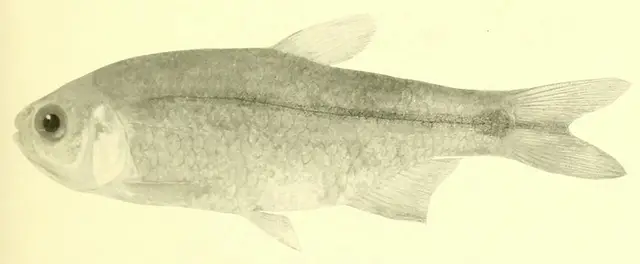
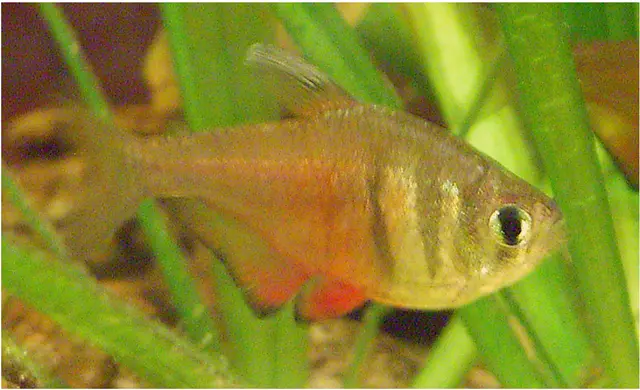
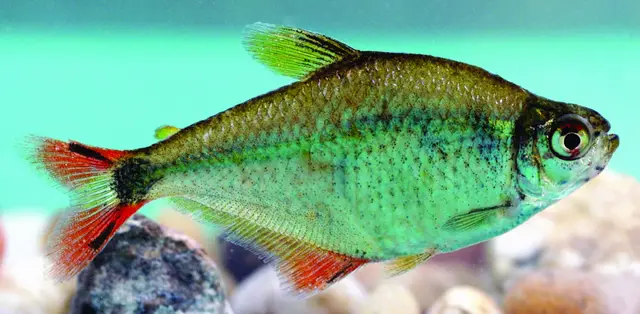
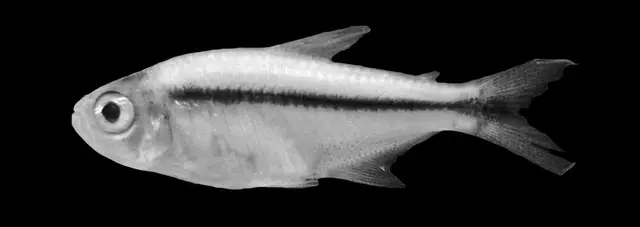
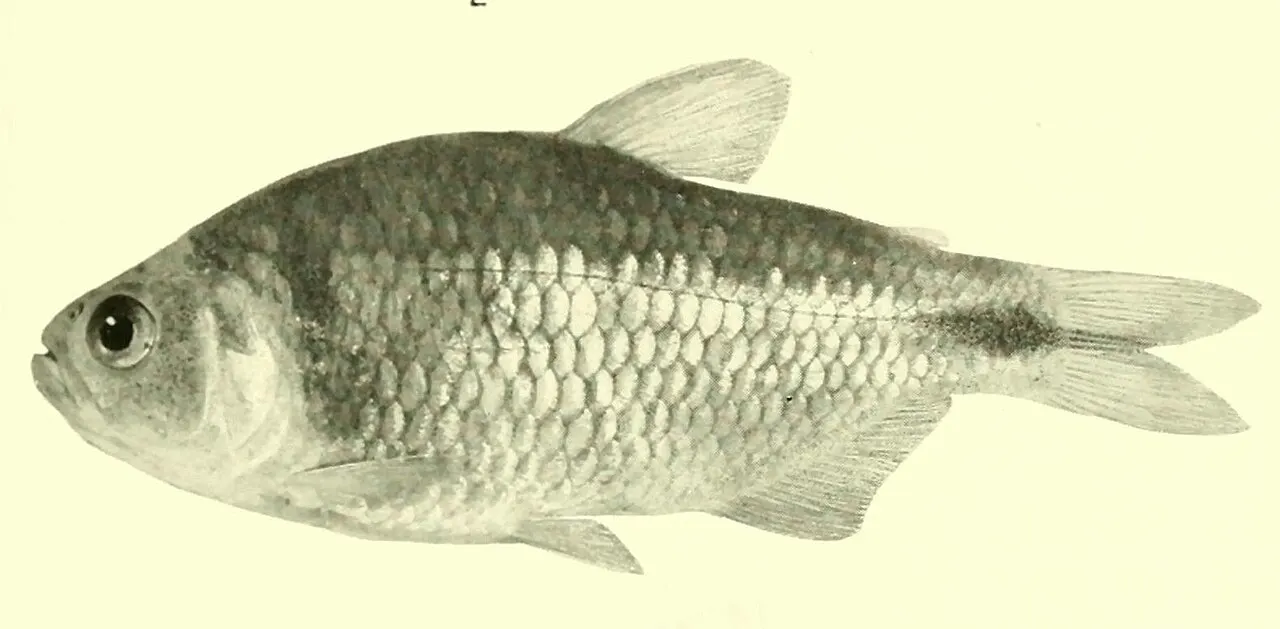
Hyphessobrycon duragenys
Hyphessobrycon duragenys
Hyphessobrycon duragenys is a small freshwater characin from southeastern Brazil, known from the upper Tietê and Paraíba do Sul river basins. The IUCN Red List lists it as Endangered (2021), with three known locations and a shrinking range. It has no widely used English name, only Portuguese ones such as lambari.
How to recognise it
This is a small tetra-type characin, easily mistaken for dozens of relatives. Adults reach about 5 to 5.5 cm in standard length, and the largest recorded measures 6.8 cm in total length. In Brazil it goes by lambari, lambari-do-tietê and piaba.
It was described by Ellis in 1911 in the Annals of the Carnegie Museum. The original holotype, held at the Field Museum, is now listed as missing, though 14 paratypes survive at the California Academy of Sciences and the Field Museum.
Where it lives
The type locality is the Tietê River at Mogi das Cruzes, in São Paulo state. Catalogues give the range as the upper Tietê and Paraíba do Sul basins, and one aquarium database also lists the Ribeira de Iguape basin. The Red List records it from São Paulo and the habitat as permanent rivers and streams.
The 2021 assessment counts three locations and an extent of occurrence of about 1,300 km2, both described as declining. It judged the population not severely fragmented and the population trend unknown.
Pins are Wikidata “endemic to” fields. Orange dots, when present, are GBIF occurrence tiles — survey bias included.
How it lives
Very little has been published. The species lays eggs and lives in open water and near the bottom (FishBase calls it benthopelagic). Its trophic level is estimated at about 2.9, from related species, which puts it low on the food chain. Details of its diet and breeding are not documented in the sources available.
Why it is in trouble
The assessment lists housing and urban development, and soil erosion and sedimentation, as threats, with degradation of its stream and river habitat as the effect. It gives no figures for how much habitat has been lost.
What is being done
The Red List records an area-based regional management plan in place. No species-specific recovery programme appears in the sources available.
Sources
Written for this catalog in our own words from the sources below, checked against them on 12 November 2026. Population figures are estimates and carry the year they were made. Status and assessment year: IUCN. 2026. The IUCN Red List of Threatened Species. Version 2026-1. iucnredlist.org.