Critically Endangered
Eleutherodactylus semipalmatus
Eleutherodactylus semipalmatus
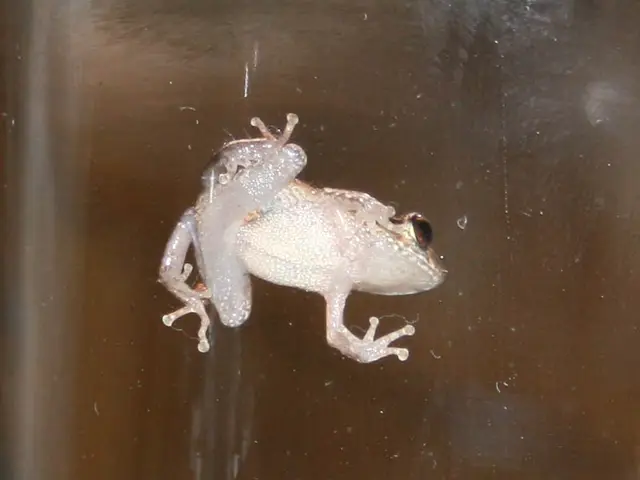
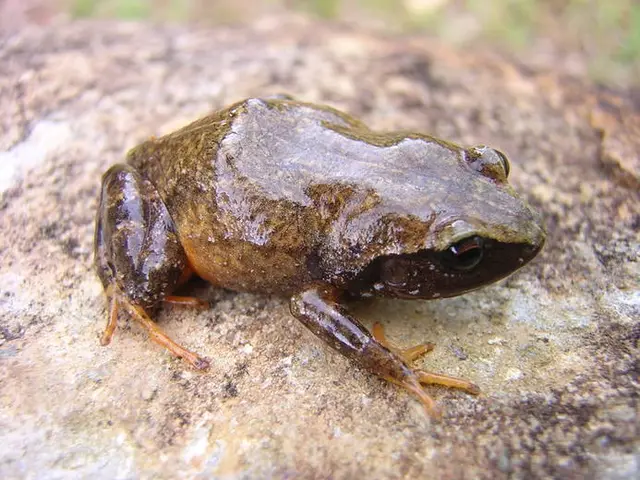
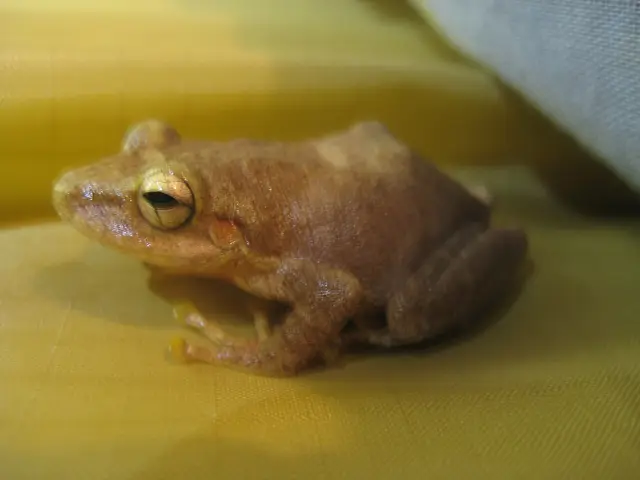
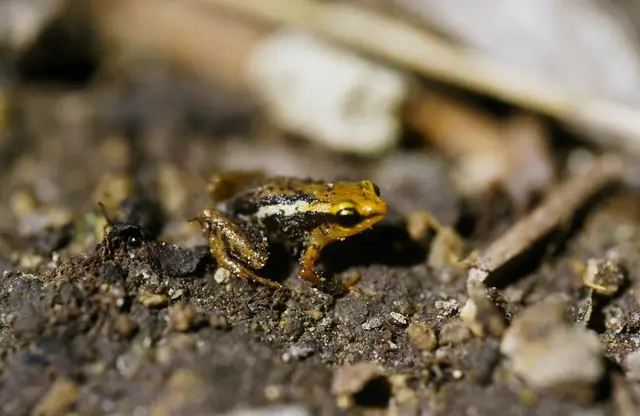
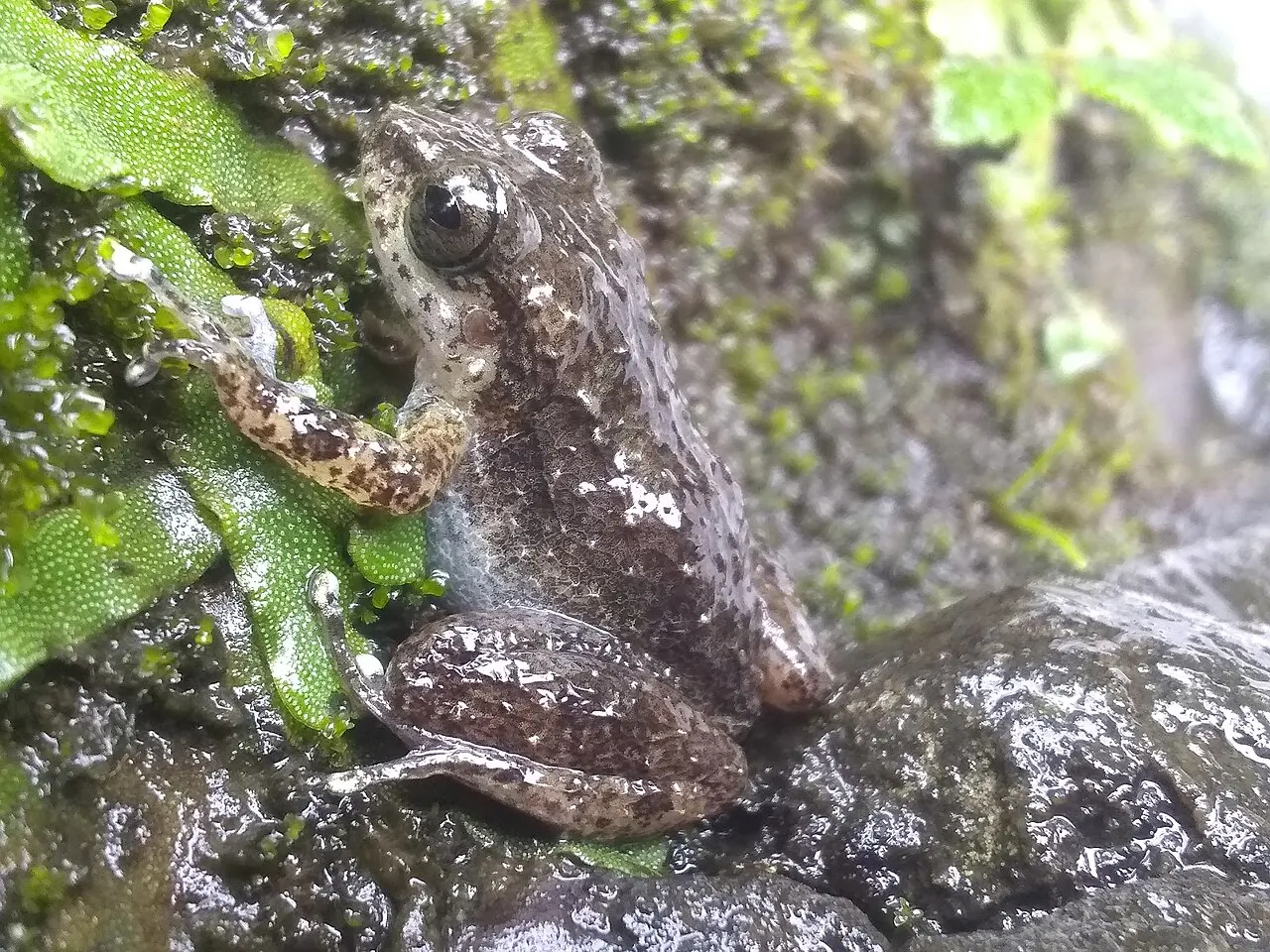
Eleutherodactylus semipalmatus, the Tiburon streamfrog (also called the foothill robber frog), is a small stream-side frog found only in Haiti. The IUCN Red List rated it Critically Endangered in 2022. It went unrecorded for decades and was feared extinct before it turned up again in the forests of Haiti's southwest.
Where it lives
The frog is endemic to Haiti, on the island of Hispaniola. It is known from two mountain areas, the Massif de la Hotte in the southwest and the Massif de la Selle in the south. It lives in and beside streams in moist forest, from lowland to montane, at elevations of about 303 to 1,697 m.
The Red List assessment gives an area of occupancy of just 8 square kilometres and an extent of occurrence of about 72 square kilometres. It describes the population as severely fragmented.
Pins are Wikidata “endemic to” fields. Orange dots, when present, are GBIF occurrence tiles — survey bias included.
A long gap in the records
The species was named in 1936 by the American zoologist Benjamin Shreve. Museum records in the GBIF database show that most of the 80 recorded specimens date from 1944 to 1968 and come from Furcy, in the Massif de la Selle. Others include one from the foothills of the Massif de la Hotte in 1934 and several from near Caracasse in 1976.
After 1985 the frog was not reported again, and it was assumed to be extinct. It was rediscovered during expeditions to the area that is now Grand Bois National Park. Sources date that to 2011, 2012 or 2013. Two observations logged on iNaturalist in 2019 came from the Grand'Anse region of the southwest.
Why it is in trouble
The frog depends on streams in forest, and the forest is being cleared. The assessment lists shifting agriculture and small-holder farming as ongoing threats across most of the range, along with fire, drought and storms. It also lists unintended harm from small-scale harvest and the chytrid fungus Batrachochytrium dendrobatidis, an amphibian disease. It puts the ongoing population reduction at 80 to 100 percent, judged from direct observation and from the shrinking and worsening of its habitat.
The frog was previously known from Pic Macaya and La Visite National Parks, but habitat in those areas is degrading too, so protection on paper has not stopped the decline.
What is being done
The assessment records that the species occurs in at least one protected area. It lists captive breeding, site management, habitat protection and awareness work as actions needed, and records the trend as decreasing.
Sources
Written for this catalog in our own words from the sources below, checked against them on 12 November 2026. Population figures are estimates and carry the year they were made. Status and assessment year: IUCN. 2026. The IUCN Red List of Threatened Species. Version 2026-1. iucnredlist.org.