Endangered
Bokikokiko
Acrocephalus aequinoctialis
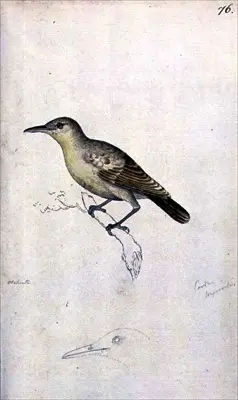
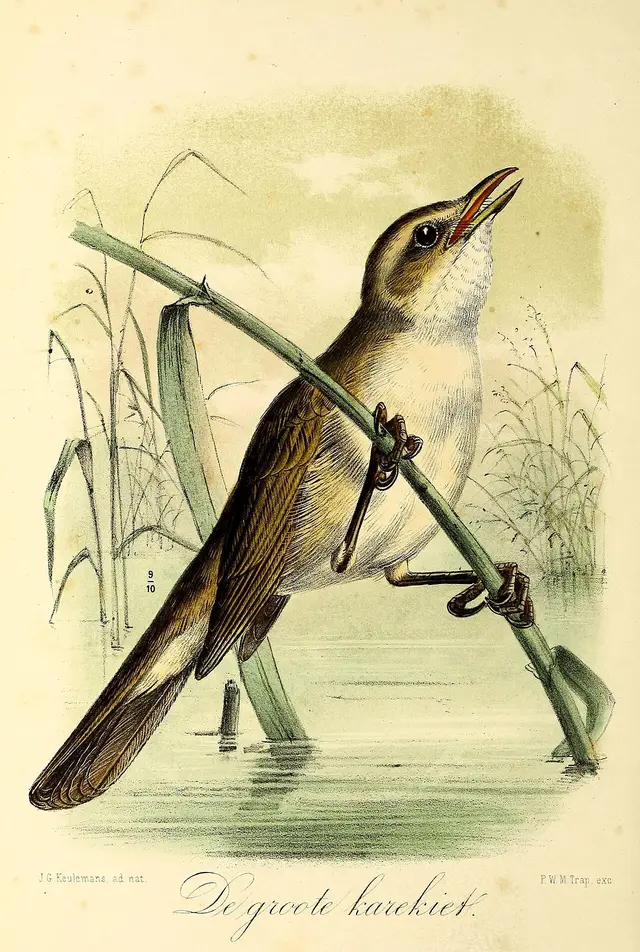
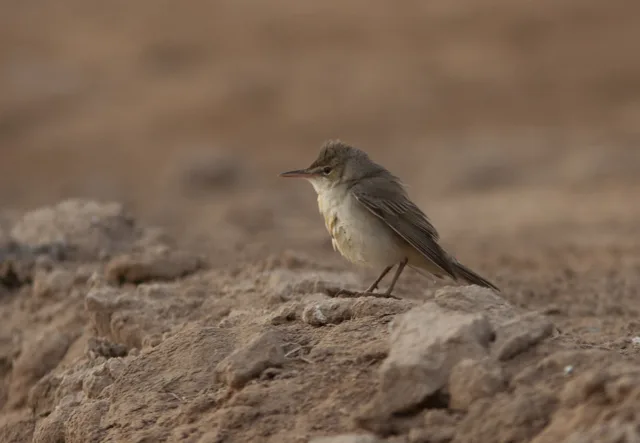
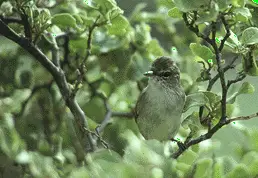
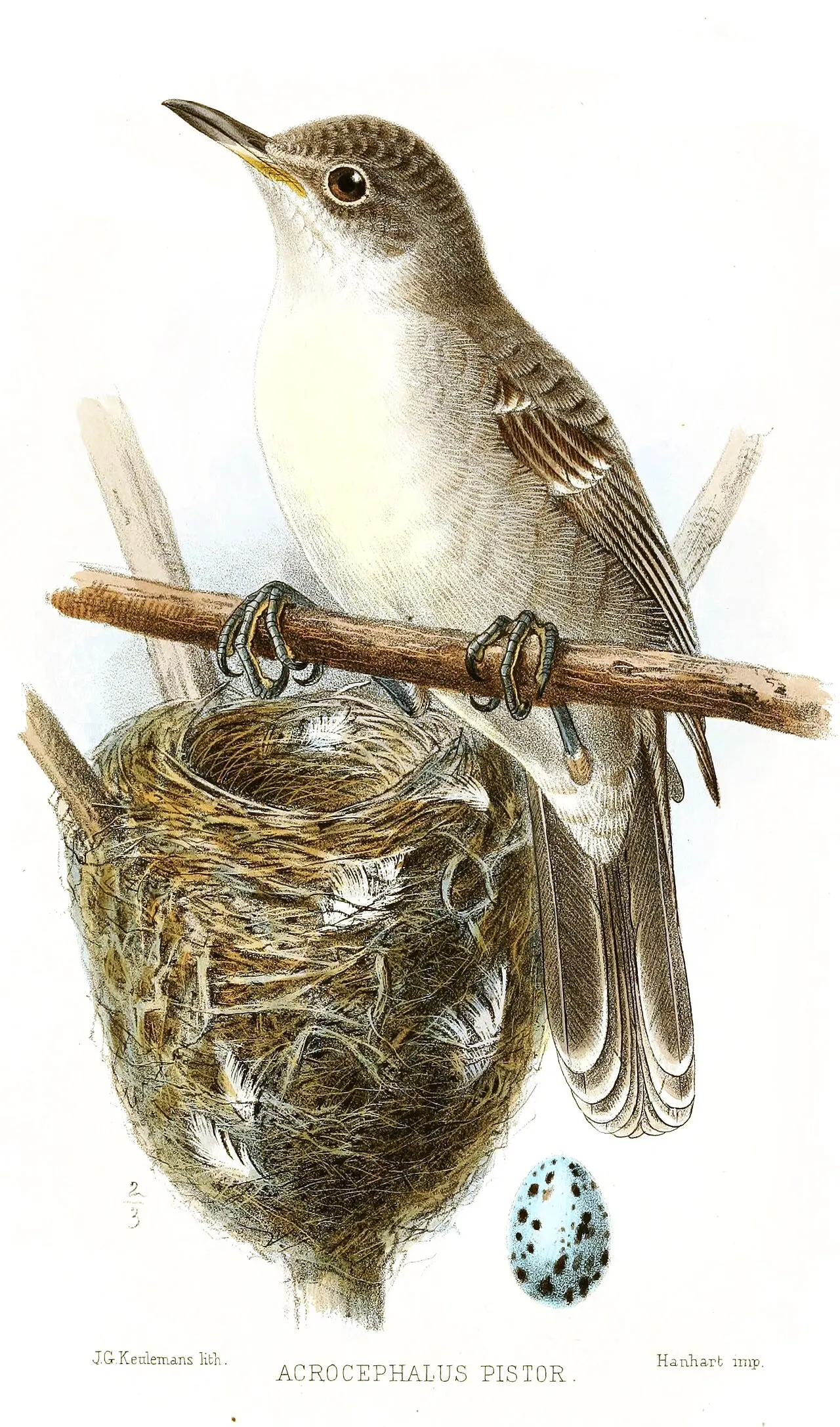
The bokikokiko, or Kiritimati reed warbler (Acrocephalus aequinoctialis), is a small songbird found only on two coral islands in Kiribati, Kiritimati and Teraina. The IUCN Red List rated it Endangered in 2019, with a population thought to be shrinking. It depends on a few shrubs and a thin vine.
Where it lives
The bokikokiko lives only in the Line Islands of Kiribati, on Kiritimati (Christmas Island) and Teraina (Washington Island). It is a bird of low, moist tropical shrubland, found at no more than about 20 m above sea level. Birds on Teraina are reportedly treated as a separate subspecies, pistor.
On Kiritimati the habitat is split up by lagoons and bare ground. A survey programme that ran from 2007 to 2012 put its range there at about 14,180 hectares, and found birds in only about half of it.
Pins are Wikidata “endemic to” fields. Orange dots, when present, are GBIF occurrence tiles — survey bias included.
How it lives
The warbler forages extensively in Scaevola shrubs. A 2007 survey report found it nests only in Heliotropium trees (also called Tournefortia) and builds its nests entirely from Cassytha, a thin vine. That makes the bird unusually dependent on three plants growing together.
Surveys bear this out. Birds were more common where Heliotropium and Scaevola grew taller, and scarcer in areas with more bare ground, grass or Suriana shrub. Some apparently suitable patches held none at all. Juveniles turned up at 23 percent of the occupied survey stations in June 2007, a sign of breeding success that year.
How many are left
Counts have changed as methods improved. A first survey in 2007 suggested the total on Kiritimati was probably in the low hundreds. Playing recorded calls raised detection rates by 263 percent compared with listening alone, and a 2016 study in Pacific Science based on surveys from 2007 to 2012 estimated 2,550 birds (plus or minus 425) at an average of 0.36 birds per hectare.
The IUCN gives a range of 2,500 to 9,999 mature individuals across both islands and lists the trend as decreasing, although monitoring at several Kiritimati sites since 2007 has not shown a drop. The species also once lived on a third atoll, Tabuaeran (Fanning Island), where it apparently died out in 1972.
Why it is in trouble
Fire, clearing for coconut plantings, housing and small-scale farming all remove the shrubs the bird needs. After fires, a weed called shrubby fleabane (Pluchea indica) can move in. Introduced predators add to the strain: feral cats and Pacific rats are named as threats, and black rats, which arrived more recently, are a particular worry.
The 2016 Pacific Science study also names rising sea level as a threat to the low-lying atoll.
What is being done
Invasive species control and a systematic monitoring scheme are in place, along with awareness work, and conservation sites have been identified over part of the range. There is no formal recovery plan, and the bird does not occur in a protected area. The 2016 study recommends continuing rat removal on islets in Kiritimati's lagoons, shielding the best habitat from fire and development, and moving birds to rat-free atolls to start new populations.
Sources
Written for this catalog in our own words from the sources below, checked against them on 12 November 2026. Population figures are estimates and carry the year they were made. Status and assessment year: IUCN. 2026. The IUCN Red List of Threatened Species. Version 2026-1. iucnredlist.org.