Yemen
3 catalog pins
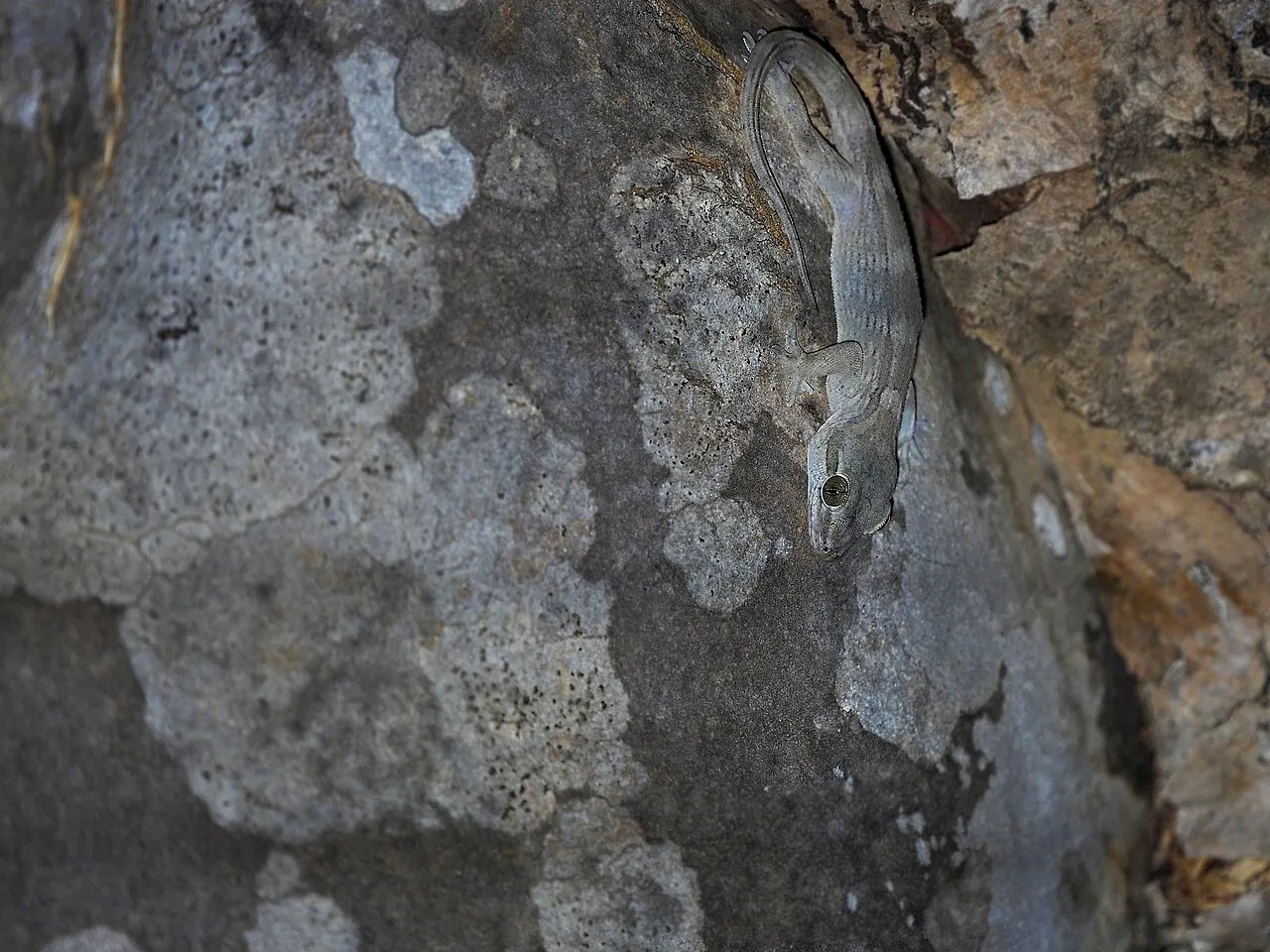
3 animals in this catalog carry a structured country pin for Yemen. That is a filing fact, not a claim that the crisis is only here.
The photograph is one of those animals: Dragon Tree Half-toed Gecko. Open a dossier for the text, the status, and the map. Use the world map to jump to another country. Confirm official distributions on the Red List.
Yemen sits where the Palearctic, Afrotropical and Oriental biogeographic regions meet, according to its CBD profile. Desert covers about 57% of the land, forests, woodland and rangeland almost 40%, and arable land about 3%. The coastline is over 2,500 kilometers long and includes coral reefs, seagrass, mangroves and mud flats.
The Socotra Archipelago in the Indian Ocean holds much of the country's endemic life, and it was declared a World Heritage Site in 2008.
Where the pressure comes from
The CBD profile points to habitat loss from land conversion, poor farming practice and rapid population growth (around 3.5% a year, undated). Qat plantations have expanded at the expense of other crops. Overfishing, trawling, dynamite fishing and mangrove cutting hit the coast, and oil spills, sewage and agrochemicals add pollution. The profile says the most sizeable mammals were hunted to extinction in the country long ago.
In the western highlands, steep slopes have been terraced and intensively cropped for over two thousand years, and little of the original vegetation is left. On Socotra, about 37% of plants, 90% of reptiles and 95% of land snails are found nowhere else. Overgrazing and invasive rats and cats are cited threats, and cyclones Chapala and Megh caused severe damage to the island's infrastructure in 2015.
What is being done
The CBD profile says Socotra, the Aden Wetlands and Bura'a are managed by local communities and NGOs, and a zoning plan was developed for Socotra. Taiz Zoo has bred Arabian leopards successfully, but the profile says releasing them is hard given limited capacity.
The national biodiversity strategy dates from 2005 and is being updated. The profile lists weak agency coordination and limited funding, with donors providing about 80%, as obstacles. It's a draft that Yemen hasn't approved, so present conditions may differ.
Reading the catalog for Yemen
The catalog lists only 3 animals: a gecko (Hemidactylus dracaenacolus, Critically Endangered), a carp-family fish (Carasobarbus exulatus, Endangered) and a coral (Montipora circumvallata, Endangered). That is a short list, not a full inventory of Yemen's wildlife.
Sources for this section
- CBD Yemen biodiversity profile (draft): habitats, land cover, threats, protected areas, strategy
- Socotra (Wikipedia): endemism percentages, 2008 World Heritage, 2015 cyclones, threats
- Wildlife of Yemen (Wikipedia): highland vegetation loss, Arabian leopard, Taiz Zoo
What the catalog records for Yemen
The catalog has 3 animals with a country pin for Yemen: 1 Critically Endangered and 2 Endangered. By GBIF class the largest groups are Squamata (1), unknown (1), Anthozoa (1). The families with the most records are Gekkonidae (1), Cyprinidae (1), Acroporidae (1). A pin means a structured source (Wikidata or a GBIF match) places the animal in Yemen; it does not say the animal lives only there.
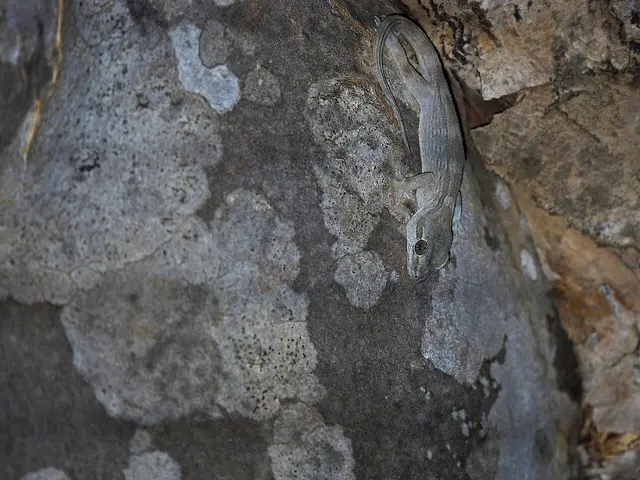 CR
Dragon Tree Half-toed Gecko
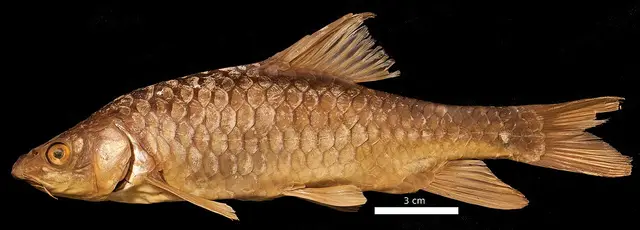 EN
Hadramaut himri
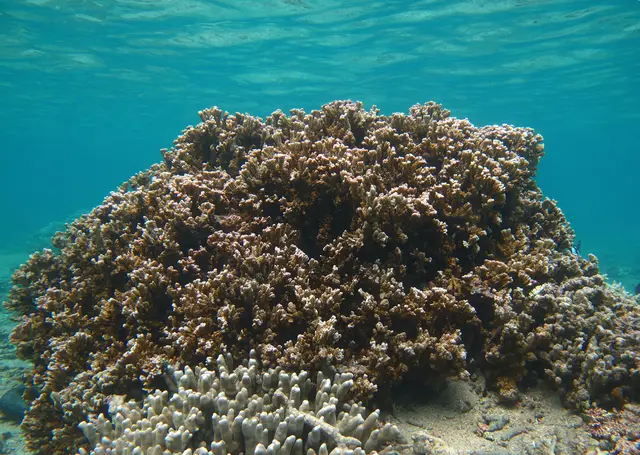 EN
Montipora circumvallata
Total pins: 3.
Quick answers
- Do all these animals live only in Yemen?
- No. A pin means a Wikidata place field resolved here. Official ranges can be wider.
- Is this a government list?
- No. It is a slice of this catalog.