U.S. Virgin Islands
6 catalog pins
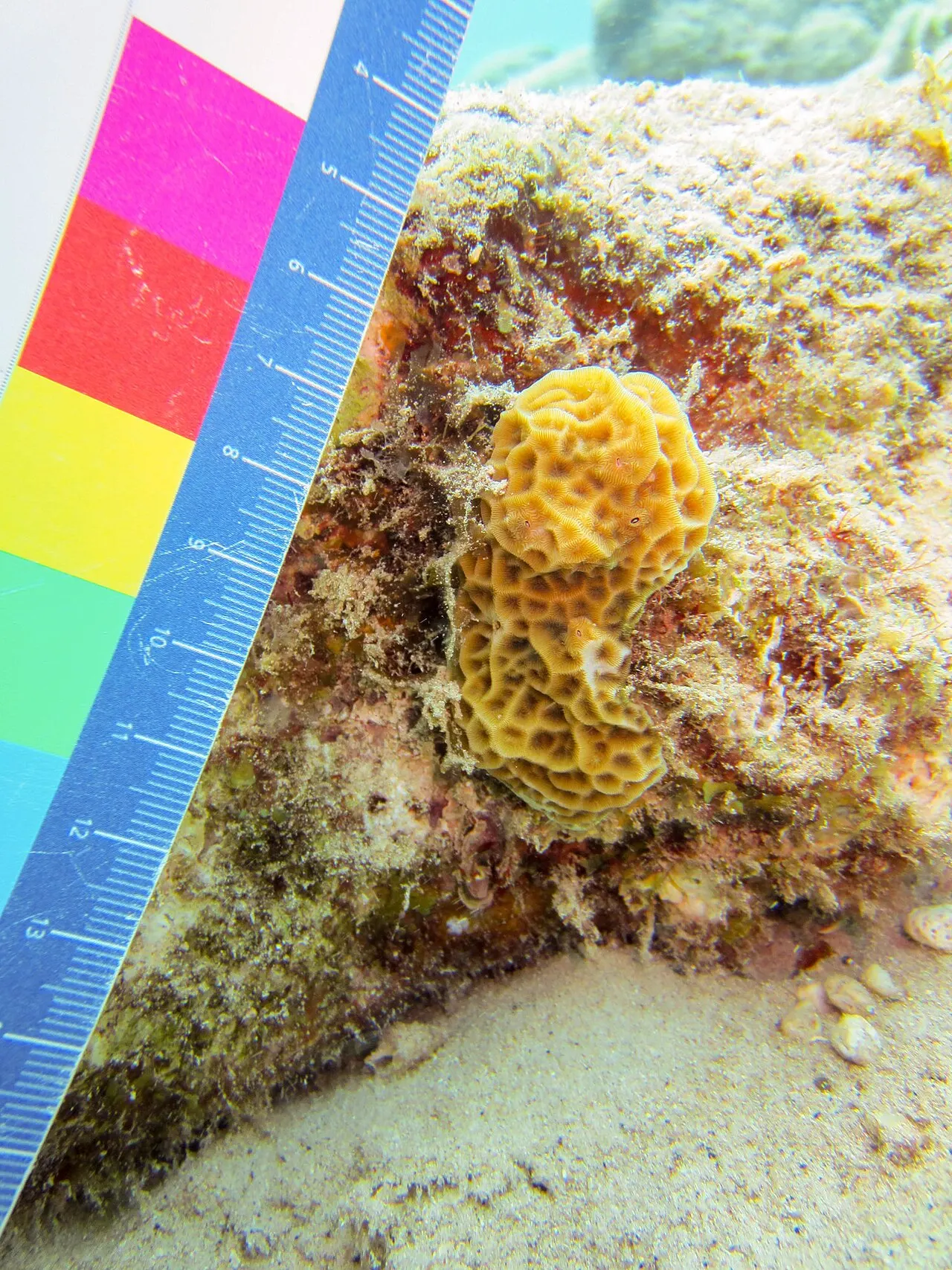
6 animals in this catalog carry a structured country pin for U.S. Virgin Islands. That is a filing fact, not a claim that the crisis is only here.
The photograph is one of those animals: Lowrelief Lettuce Coral. Open a dossier for the text, the status, and the map. Use the world map to jump to another country. Confirm official distributions on the Red List.
The U.S. Virgin Islands are a Caribbean territory of the United States, made up of the main islands of Saint Croix, Saint John and Saint Thomas. This section is about the territory itself, not the United States as a whole. For wildlife, the story here is the sea: coral reefs, seagrass beds and mangroves, which Virgin Islands National Park also protects on Saint John.
Every animal the catalog lists for the territory is a coral, and the reefs have faced bleaching and disease in recent years.
Where the pressure comes from
A mass bleaching event in 2005 is reported to have caused a 60% decline in coral activity across the territory (the source doesn't define the measure).
Disease is the other large threat. Stony coral tissue loss disease was first noticed off southeast Florida in late 2014 and was reported from Saint Thomas by January 2019. It affects at least 22 reef-building species, and mortality in affected corals ranges from 66% to 100%. Amoxicillin paste slows new lesions but doesn't stop them forming, and several susceptible species have been taken into captivity for breeding.
What is being done
Virgin Islands Coral Reef National Monument was established on January 17, 2001. It covers about 12,708 acres (51.43 square kilometers) of submerged land within three nautical miles of Saint John, including Hurricane Hole. The National Park Service runs it through Virgin Islands National Park, and USGS has done extensive research there.
Hurricane Hole is notable for corals growing on the submerged stems of mangrove trees, the first known occurrence of corals in a mangrove ecosystem. Researchers found about 30 of the Virgin Islands' 45 coral species there.
Reading the catalog for the Virgin Islands
The catalog lists 6 animals here, all corals and all Critically Endangered. Three belong to the family Agariciidae, two to Faviidae and one to Pocilloporidae. The records show that a species occurs in the territory, not how many colonies remain or where. Some of the same Caribbean species, such as Agaricia humilis and Agaricia lamarcki, also appear in the list for the United States, since reef corals range across more than one jurisdiction.
Sources for this section
- Virgin Islands Coral Reef National Monument (Wikipedia): 2001 establishment, acreage, Hurricane Hole, 30 of 45 coral species, 2005 bleaching, NPS management
- Stony coral tissue loss disease (Wikipedia): first detection 2014, Saint Thomas 2019, 22 species, 66 to 100% mortality, treatment
- Virgin Islands National Park nature page (NPS): park habitats: mangroves, seagrass beds and coral reefs
- U.S. Virgin Islands (Wikipedia): Caribbean unincorporated territory, three main islands
What the catalog records for U.S. Virgin Islands
The catalog has 6 animals with a country pin for U.S. Virgin Islands: 6 Critically Endangered. By GBIF class the largest groups are Anthozoa (6). The families with the most records are Agariciidae (3), Faviidae (2), Pocilloporidae (1). A pin means a structured source (Wikidata or a GBIF match) places the animal in U.S. Virgin Islands; it does not say the animal lives only there.
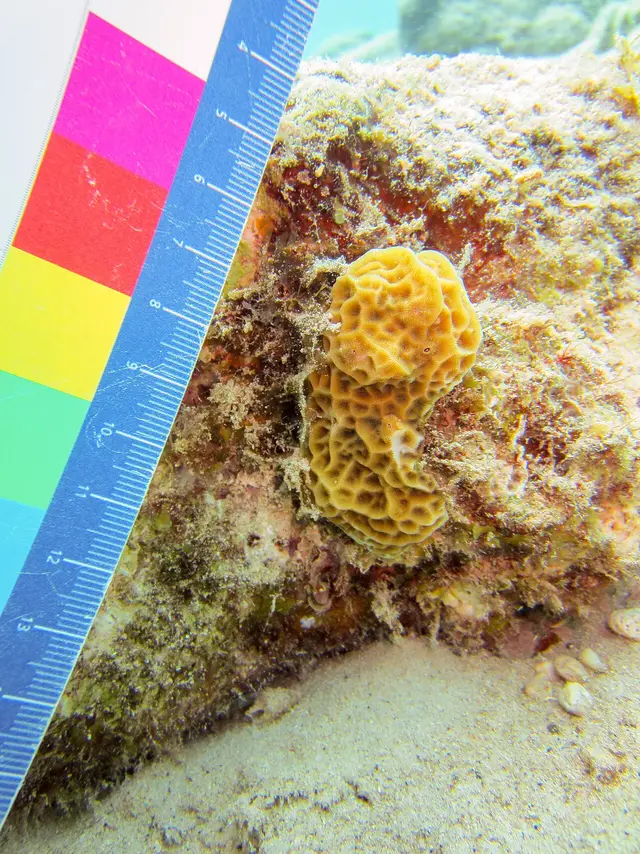 CR
Lowrelief Lettuce Coral
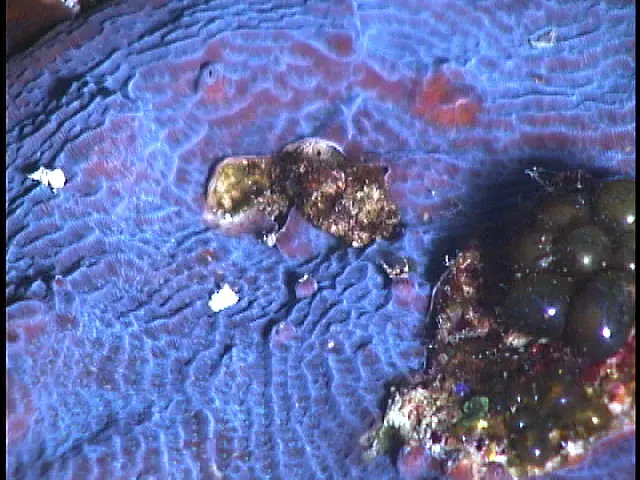 CR
Lamarck's Sheet Coral
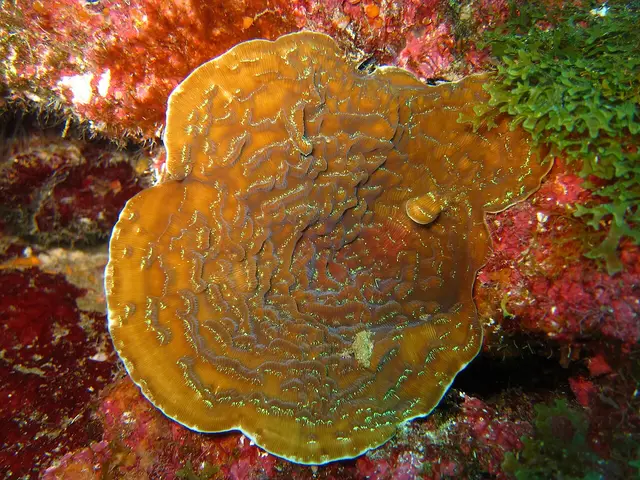 CR
Sunray Lettuce Coral
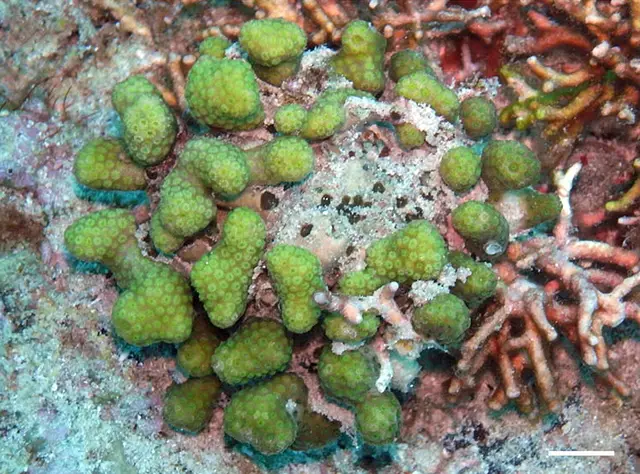 CR
Ten-ray Star Coral
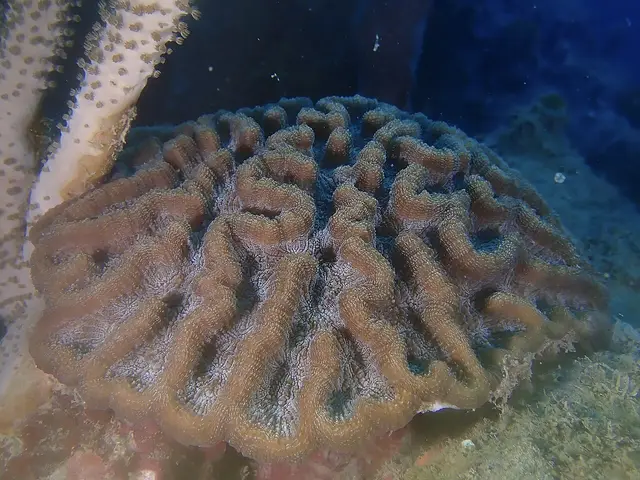 CR
Lowridge cactus coral
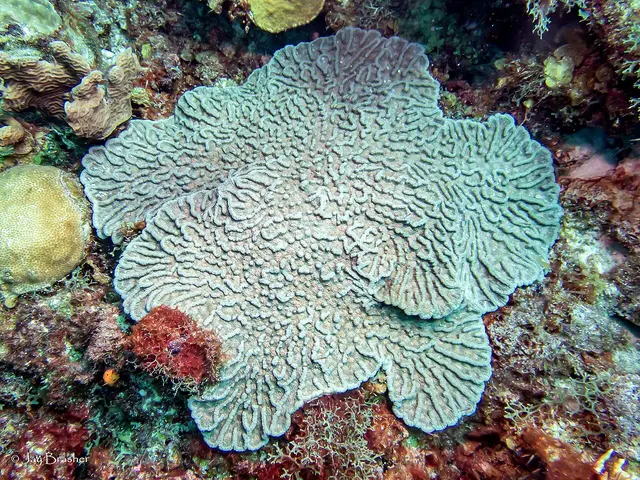 CR
Rough Cactus Coral
Total pins: 6.
Quick answers
- Do all these animals live only in U.S. Virgin Islands?
- No. A pin means a Wikidata place field resolved here. Official ranges can be wider.
- Is this a government list?
- No. It is a slice of this catalog.