Singapore
5 catalog pins
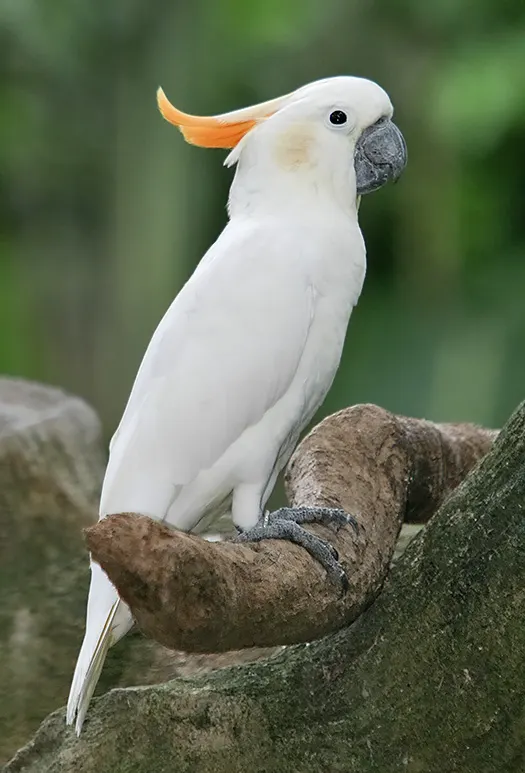
5 animals in this catalog carry a structured country pin for Singapore. That is a filing fact, not a claim that the crisis is only here.
The photograph is one of those animals: Citron-crested cockatoo. Open a dossier for the text, the status, and the map. Use the world map to jump to another country. Confirm official distributions on the Red List.
Singapore is a city-state of about 710 square kilometres, made of one main island and about 60 smaller ones (Convention on Biological Diversity profile, draft). In 1819 it was mostly rainforest. Clearing began after the British trading post was established and was largely complete by the twentieth century.
The numbers are still surprising for a dense city. Two surveyed nature reserves hold 1,190 vascular plants, 207 birds and 72 reptiles, and the surrounding sea has 255 hard coral species, which the profile says is more than a quarter of the world's total. Mangroves support 31 of about 56 Asian mangrove plants.
Where the pressure comes from
Habitat loss is the core story. Some estimates put the loss of natural habitat at 95 percent over 183 years, and over 20 freshwater fish, 100 birds and a number of mammals became locally extinct. Only 2.8 square kilometres of primary forest remains.
At the shore, land reclamation has reduced coral reef cover by about 60 percent. Mangroves have been lost to coastal development, reclamation and river damming. High sea temperatures caused a mass bleaching in 1998. The profile also lists pollution, poaching and alien species among the main threats.
What is being done
The Trees and Parks Act (2005) legally protects two National Parks and four Nature Reserves, and the National Parks Board manages about 13 percent of the land. The National Biodiversity Strategy and Action Plan (2009) has five strategies. A wildlife overview says over half of the naturally occurring fauna and flora is present only in the nature reserves, which cover a small share of the land.
Some recoveries are recorded. The oriental pied hornbill, locally extinct in the 1800s, has built a thriving population on Pulau Ubin, and green cover rose from 36 to 47 percent of land area over about 20 years.
Reading the catalog for Singapore
Reef corals are the largest group in the catalog's list for Singapore, with Merulinidae the largest family. The list also includes a critically endangered cockatoo and a ray. The cockatoo's native range lies in Indonesia and East Timor, where illegal trapping for the cage-bird trade has caused steep declines, not in Singapore itself.
Sources for this section
- CBD country profile, Singapore (draft): 710 km2, species counts, primary forest, reef loss, 2005 Act, NBSAP 2009, 13%, green cover
- Wildlife of Singapore (Wikipedia): 1819 rainforest, 95% habitat loss estimate, local extinctions, reserves, hornbill
- Yellow-crested cockatoo (Wikipedia): native range, cage-bird trapping
What the catalog records for Singapore
The catalog has 5 animals with a country pin for Singapore: 1 Critically Endangered and 4 Endangered. By GBIF class the largest groups are Anthozoa (3), Aves (1), Elasmobranchii (1). The families with the most records are Merulinidae (2), Psittacidae (1), Myliobatidae (1). A pin means a structured source (Wikidata or a GBIF match) places the animal in Singapore; it does not say the animal lives only there.
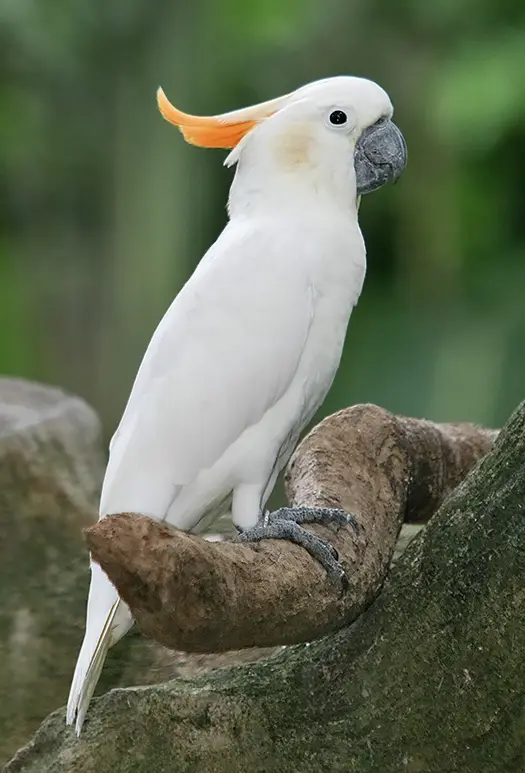 CR
Citron-crested cockatoo
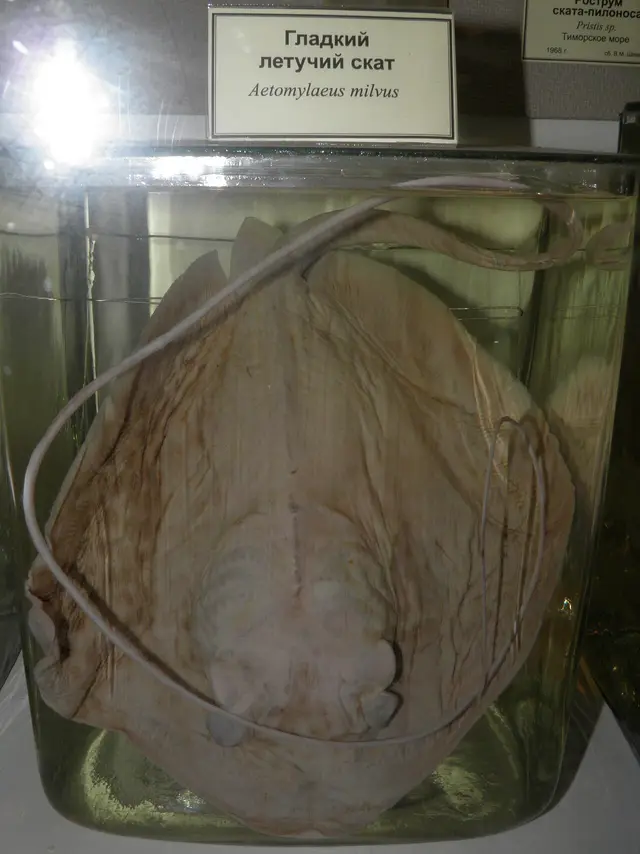 EN
Ocellate Eagle Ray
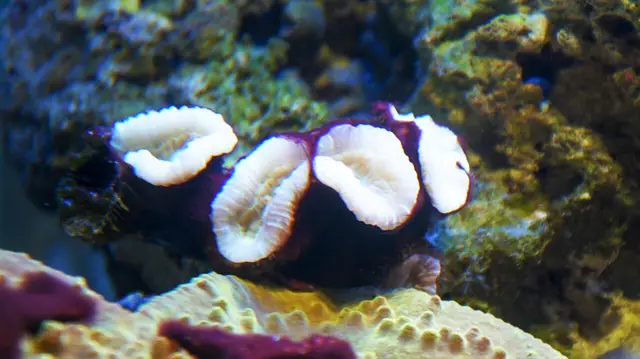 EN
Caulastrea coral
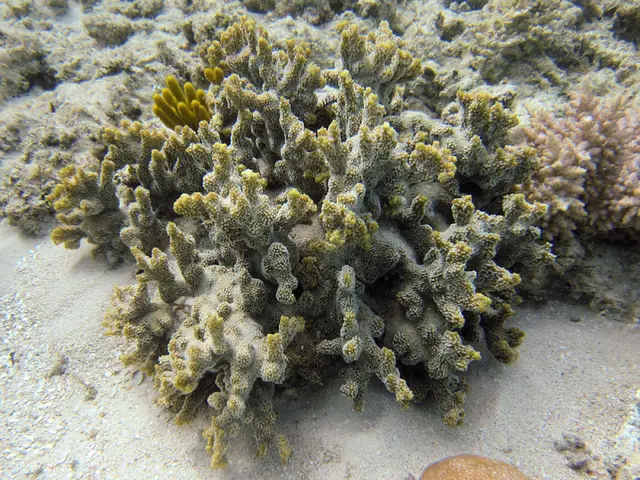 EN
Montipora hispida
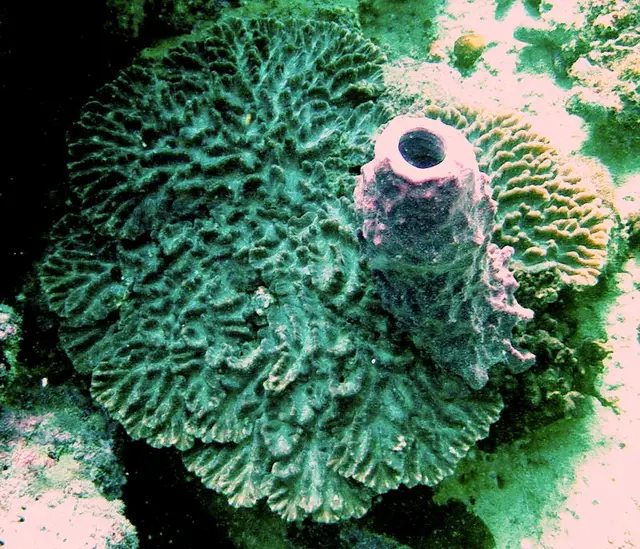 EN
Pectinia lactuca
Total pins: 5.
Quick answers
- Do all these animals live only in Singapore?
- No. A pin means a Wikidata place field resolved here. Official ranges can be wider.
- Is this a government list?
- No. It is a slice of this catalog.