Palau
10 catalog pins
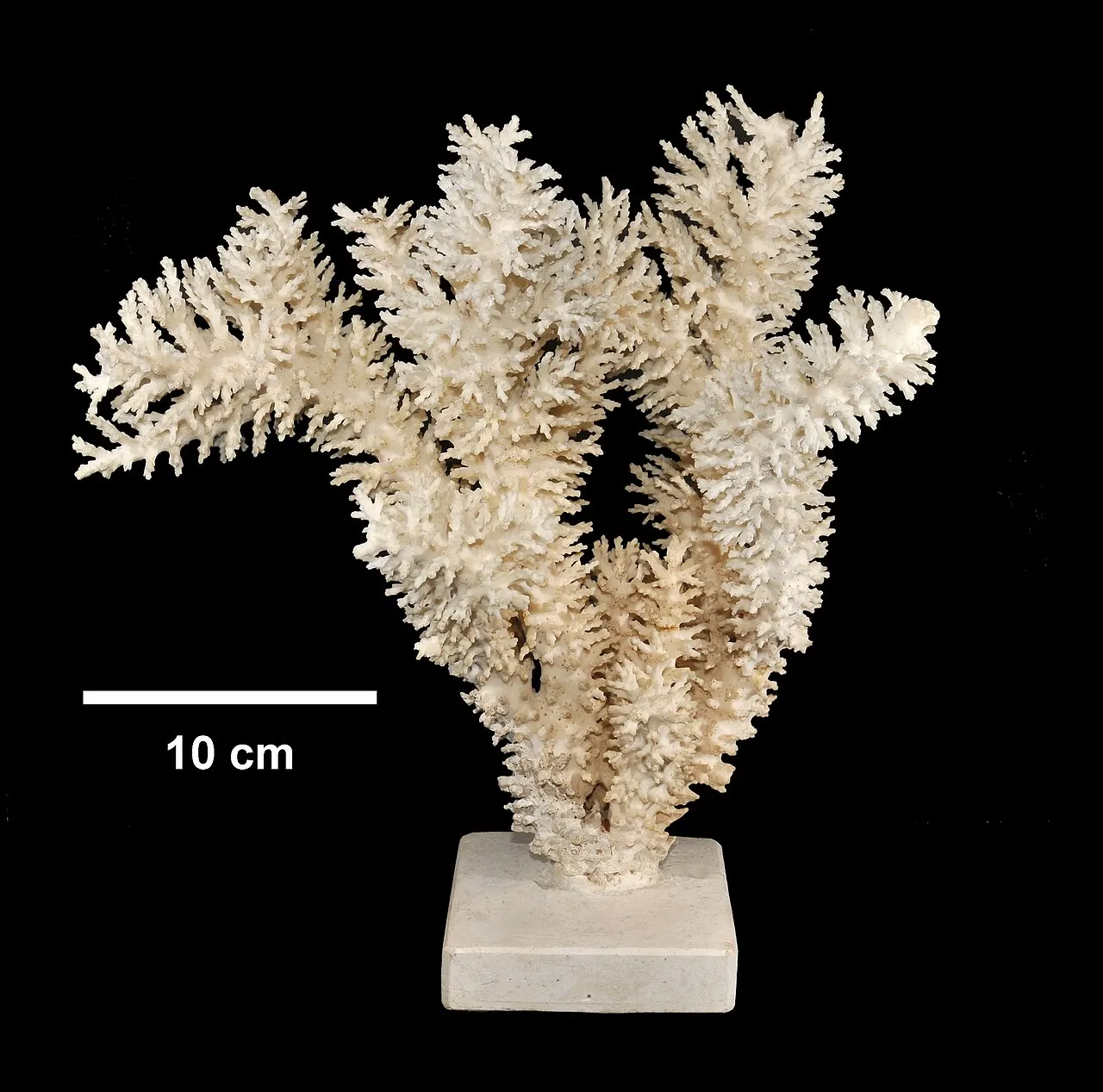
10 animals in this catalog carry a structured country pin for Palau. That is a filing fact, not a claim that the crisis is only here.
The photograph is one of those animals: Acropora carduus. Open a dossier for the text, the status, and the map. Use the world map to jump to another country. Confirm official distributions on the Red List.
Palau is an island nation in the western Pacific, the western part of the Caroline Islands, with about 340 islands. They include the main high islands and the Rock Islands, about 200 uninhabited islands west of the main group.
Palau's biodiversity profile counts more than 350 hard coral species, 200 soft coral species, over 300 sponge species and more than 1,300 reef fish species. It reports at least 95% of land snail species as endemic, and 11 endemic bird species. The Palauan frog is the only endemic amphibian.
Where the pressure comes from
Warm water is the most obvious threat to the reefs. The profile says the 1998 El Niño caused severe coral bleaching and that some reefs had not fully recovered. Rising seas and stronger typhoons also threaten birds, and typhoons destroyed about 15% of Palau Megapode nesting grounds.
On land, the profile points to urbanization and the Compact Road as sources of land degradation and pressure on water quality and supply. It also notes that limited monitoring and few quantitative data make it harder to judge how species are faring. The profile was still a draft pending approval when it was retrieved, so its figures should be read as provisional.
What is being done
Palau announced a shark sanctuary on 25 September 2009, banning commercial shark fishing across an exclusive economic zone of about 600,000 square kilometres. It also joined the Micronesia Challenge, launched on 5 November 2005, which aimed to conserve 30% of near-shore waters and 20% of forest land by 2020.
The Palau National Marine Sanctuary was created in 2015 and covers about 502,539 square kilometres. Commercial fishing and other extractive activities, mining included, are banned in 80% of it, a rule that took effect in 2020 after a five-year phase-out. Communities have also set up their own protected areas, and the profile says their number more than doubled over 10 years.
Reading the catalog for Palau
Ten animals are pinned, all Endangered. Corals are the largest group in the catalog's list, with nine species such as Acropora and Pectinia, plus one bird, a ground dove in the genus Alopecoenas.
The list says nothing about Palau's land snails or insects, which are not pinned here.
Sources for this section
- CBD country profile, Palau (draft): species counts, endemism, 1998 bleaching, typhoons and megapode, Compact Road, monitoring gaps
- Wikipedia, Palau National Marine Sanctuary: 2015 creation, 502,539 km2, 80% no-take, 2020 effective
- Wikipedia, Palau: about 340 islands, Rock Islands about 200 uninhabited, western Caroline Islands, shark sanctuary 2009, Micronesia Challenge 2005
What the catalog records for Palau
The catalog has 10 animals with a country pin for Palau: 10 Endangered. By GBIF class the largest groups are Anthozoa (9), Aves (1). The families with the most records are Acroporidae (4), Merulinidae (3), Columbidae (1). A pin means a structured source (Wikidata or a GBIF match) places the animal in Palau; it does not say the animal lives only there.
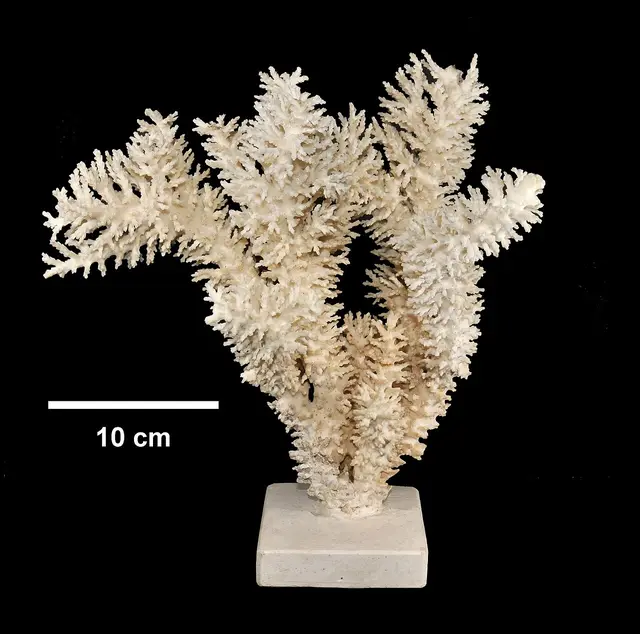 EN
Acropora carduus
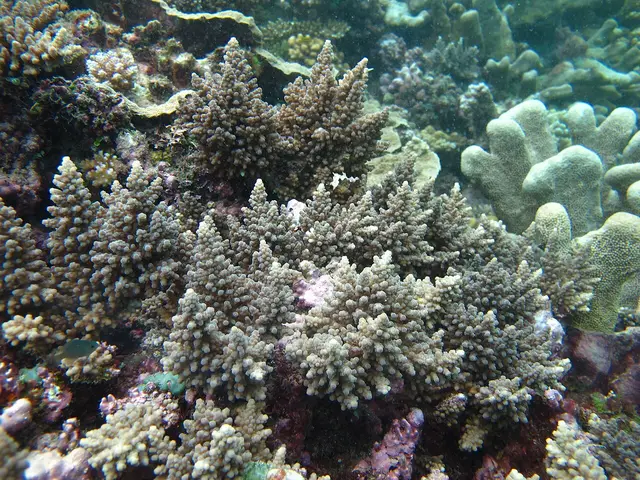 EN
Acropora longicyathus
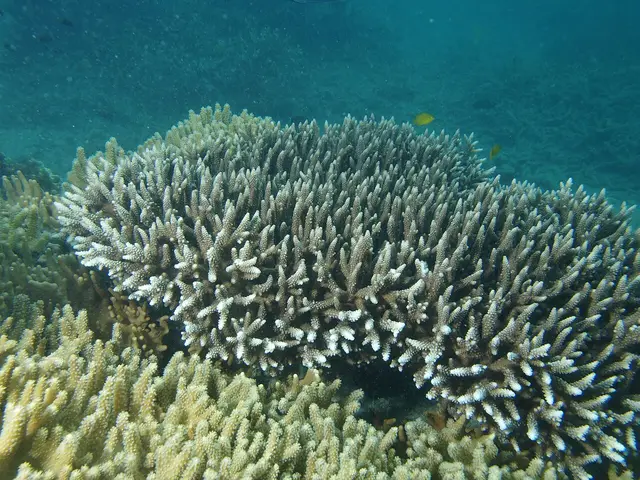 EN
Acropora yongei
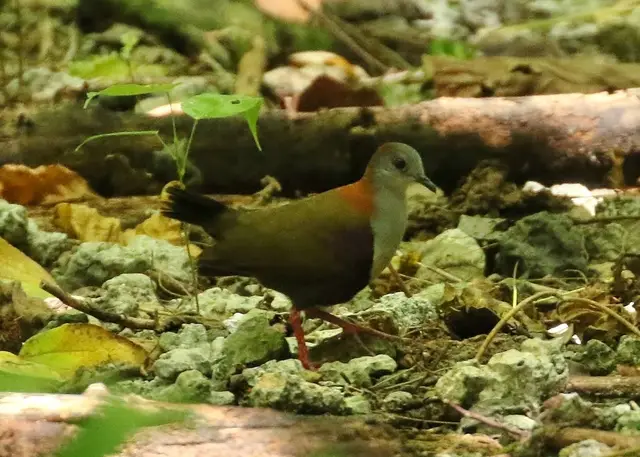 EN
Palau Ground-Dove
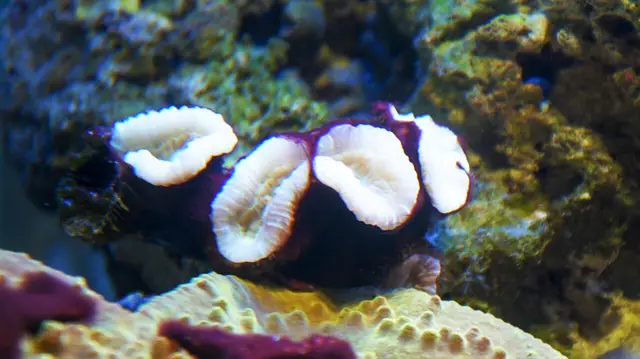 EN
Caulastrea coral
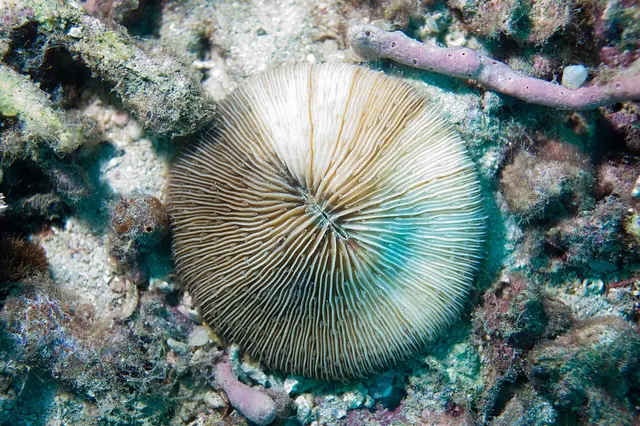 EN
Lithophyllon concinna
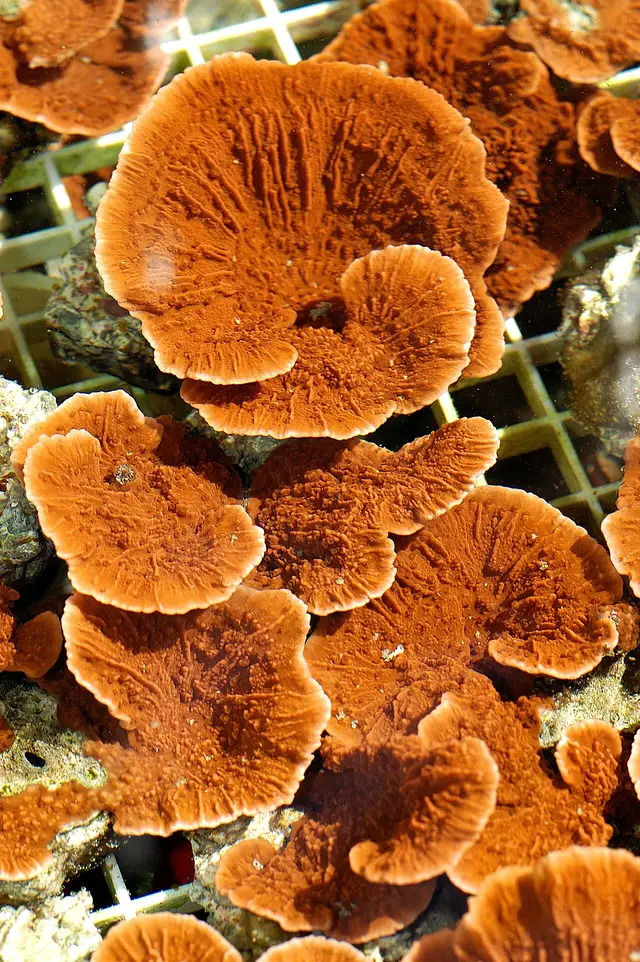 EN
Montipora florida
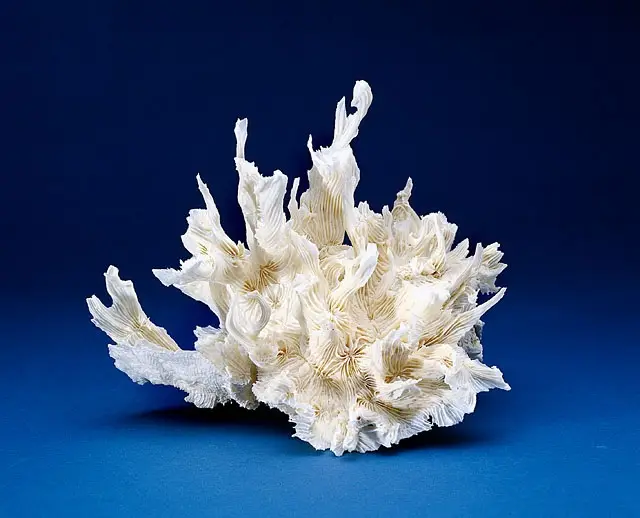 EN
Pectinia alcicornis
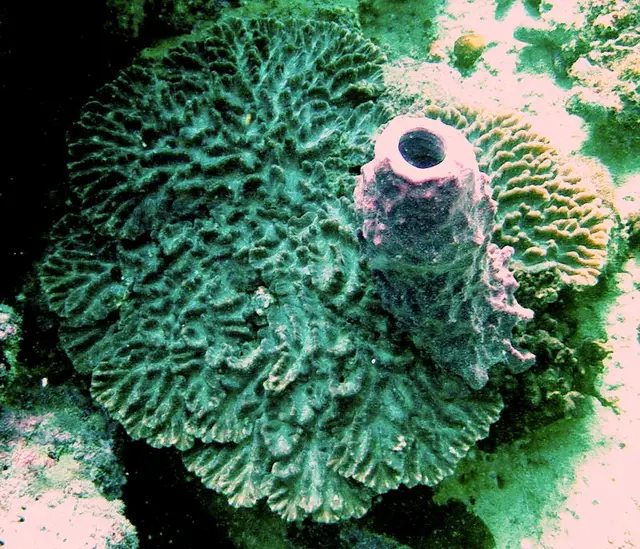 EN
Pectinia lactuca
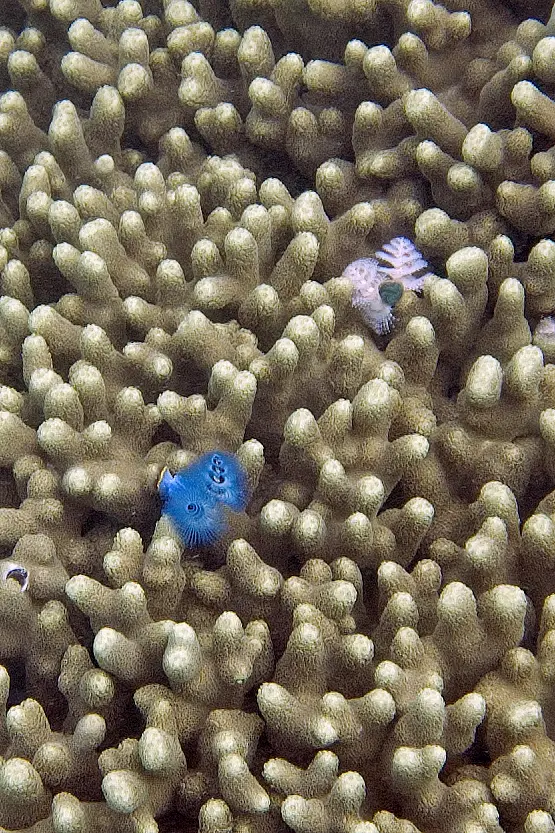 EN
Porites attenuata
Total pins: 10.
Quick answers
- Do all these animals live only in Palau?
- No. A pin means a Wikidata place field resolved here. Official ranges can be wider.
- Is this a government list?
- No. It is a slice of this catalog.