Puerto Rico
8 catalog pins
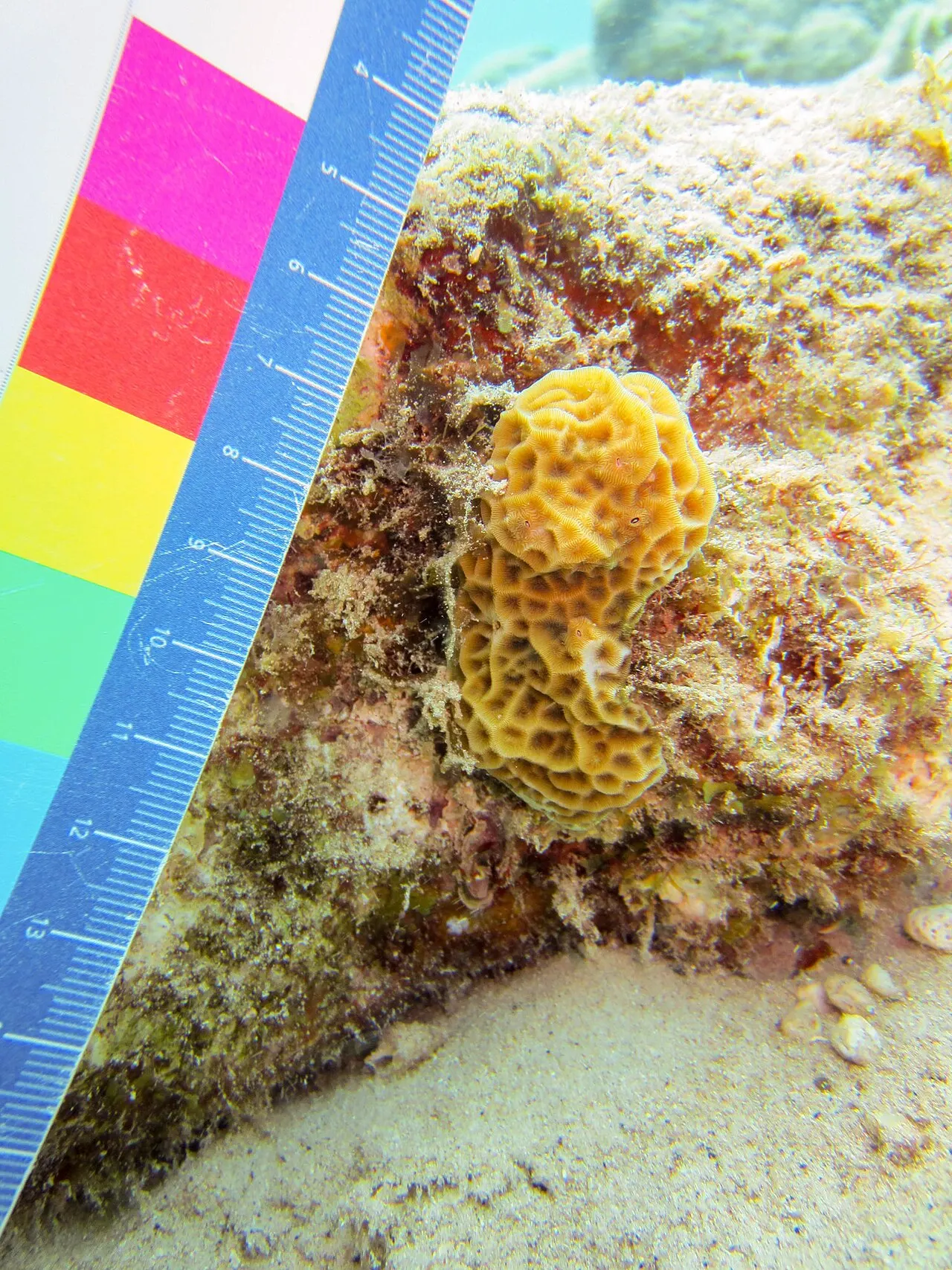
8 animals in this catalog carry a structured country pin for Puerto Rico. That is a filing fact, not a claim that the crisis is only here.
The photograph is one of those animals: Lowrelief Lettuce Coral. Open a dossier for the text, the status, and the map. Use the world map to jump to another country. Confirm official distributions on the Red List.
Puerto Rico is a Caribbean island territory of the United States, so this section covers the territory, not the mainland country. It has tabonuco forest in the uplands, caves, mangroves and seagrass beds, with coral reefs offshore.
The island has a lot of endemism for its size: of 17 Eleutherodactylus frogs (the coquis), 14 are endemic. An older marine biodiversity survey cited in the Wikipedia article on its wildlife counts 117 hard coral and 99 soft coral and gorgonian species in its waters, though no year is given.
Where the pressure comes from
Clearing forest for sugar cane plantations in the latter half of the 19th century hit the island's wildlife hard. Introduced animals followed: rats, cats, the small Indian mongoose and the cane toad. Rhesus macaques introduced to Desecheo in 1967 are the main reason no bird species nests there now, on an island that was once the largest brown booby colony.
For the Puerto Rican amazon, clearing mature forest for farming was the main cause of decline. Chicks were taken as pets, rats and mongooses may eat eggs and chicks, and honeybees and Hispaniolan amazons may compete for nest holes. Hurricane Hugo in September 1989 cut the wild flock from 47 to 23, and Hurricane Maria later left only about 3 of 50 wild birds.
On the reefs, stony coral tissue loss disease was seen in Puerto Rico in December 2019, first at Culebra, and then affected shallow reefs along the eastern coast, including Vieques, Fajardo and San Juan. A 2025 monitoring report describes persistently low coral cover in Puerto Rico since 2019.
What is being done
A recovery plan for the Puerto Rican amazon began in 1968. A captive flock was set up at Luquillo in 1973, birds were moved to Río Abajo in 1993, and expanded facilities at El Yunque opened in 2007. Releases have taken place at Río Abajo (2006), Maricao (2015) and, in early 2020, El Yunque. The total, wild and captive, was around 500 birds in 2021.
Protected land is small. One summary says about 3.4% of the land is protected across 34 reserves, and only 2 of 25 marine areas with marine components are no-take zones. The article gives no year for these figures.
Reading the catalog for Puerto Rico
All eight pinned animals are Critically Endangered. Corals are the largest group in the catalog's list, with six species in the families Agariciidae and Faviidae among others. The other two are the Puerto Rican amazon and the Puerto Rican wetland frog.
The list says little about how many animals are threatened on land, so the pins are a sample of what has been assessed and not a census of the island's wildlife.
Sources for this section
- Wikipedia, Wildlife of Puerto Rico: coqui endemism, coral species counts, introduced species, sugar cane clearing, macaques on Desecheo, protected area summary
- Wikipedia, Puerto Rican amazon: population history, Hugo 1989, threats, recovery plan 1968, aviaries, release sites, 2021 total
- NOAA repository, SCTLD at El Seco, Vieques: SCTLD observed December 2019 at Culebra and spread along the eastern shoreline
- GCRMN, NCRMP 2025: low coral cover since 2019 in Puerto Rico
What the catalog records for Puerto Rico
The catalog has 8 animals with a country pin for Puerto Rico: 8 Critically Endangered. By GBIF class the largest groups are Anthozoa (6), Aves (1), Amphibia (1). The families with the most records are Agariciidae (3), Faviidae (2), Pocilloporidae (1). A pin means a structured source (Wikidata or a GBIF match) places the animal in Puerto Rico; it does not say the animal lives only there.
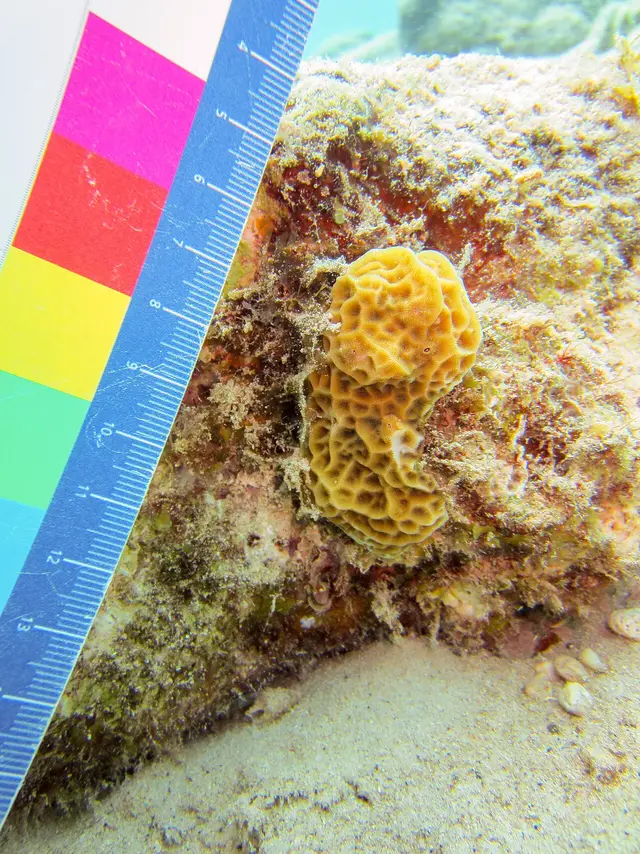 CR
Lowrelief Lettuce Coral
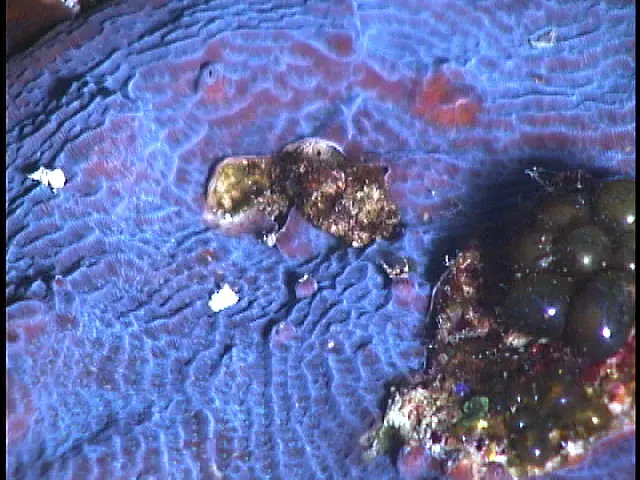 CR
Lamarck's Sheet Coral
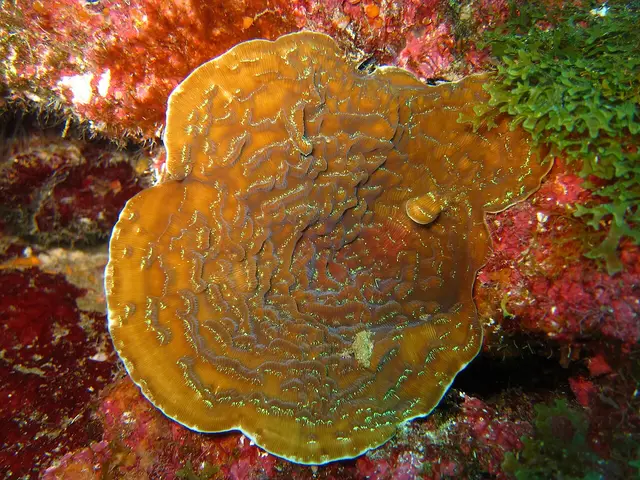 CR
Sunray Lettuce Coral
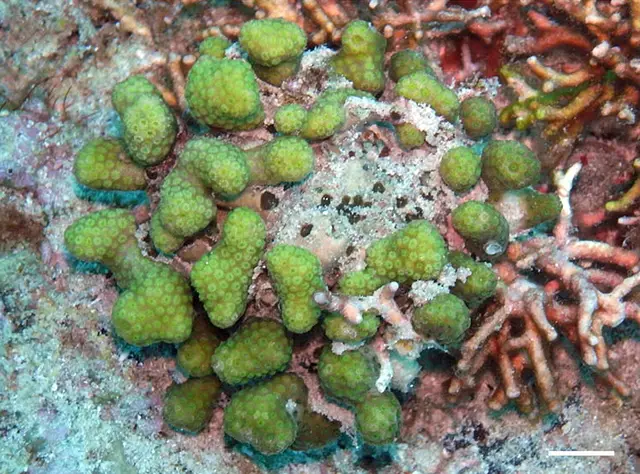 CR
Ten-ray Star Coral
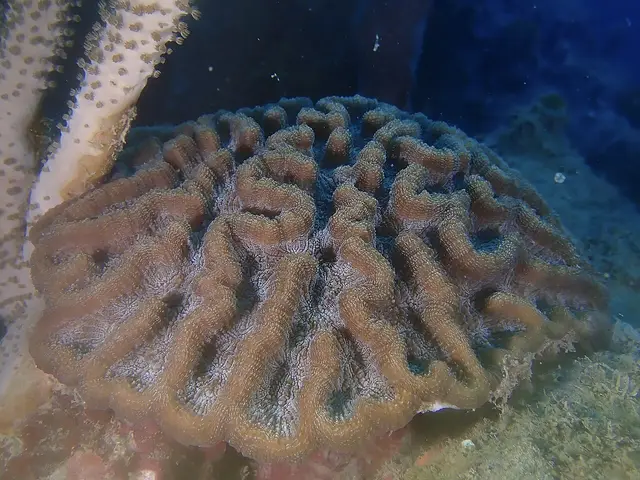 CR
Lowridge cactus coral
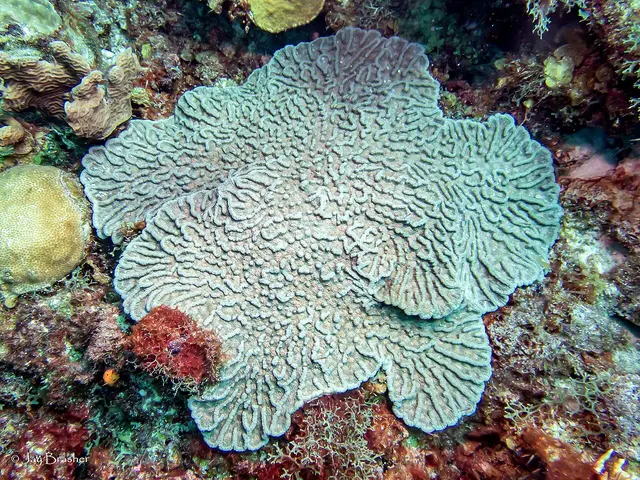 CR
Rough Cactus Coral
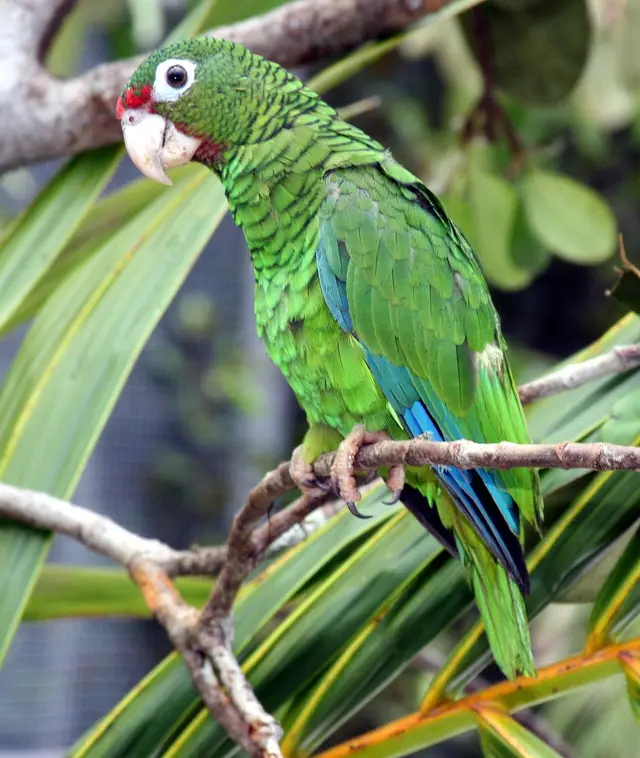 CR
Puerto Rican Amazon
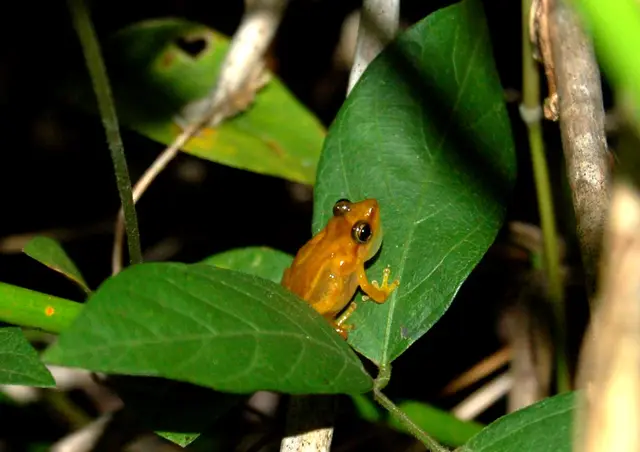 CR
Puerto Rican wetland frog
Total pins: 9.
Quick answers
- Do all these animals live only in Puerto Rico?
- No. A pin means a Wikidata place field resolved here. Official ranges can be wider.
- Is this a government list?
- No. It is a slice of this catalog.