Endangered
Telmatobius intermedius
Telmatobius intermedius
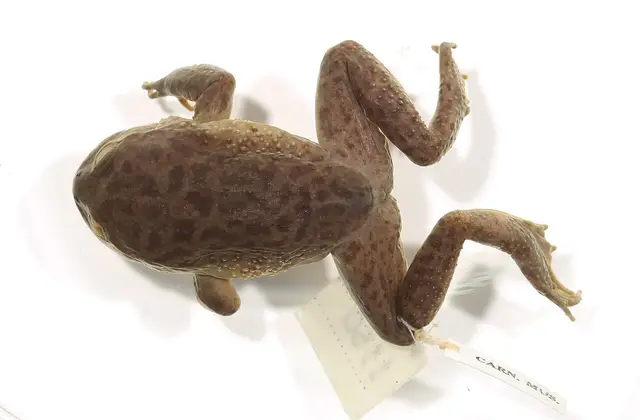
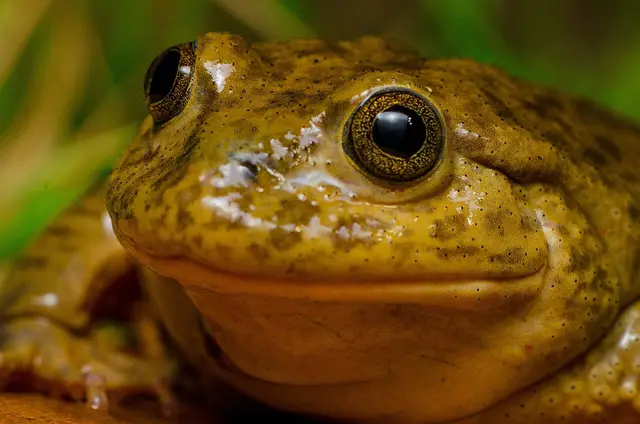
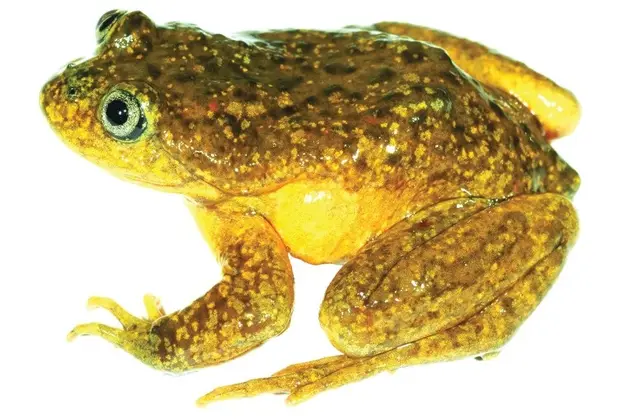
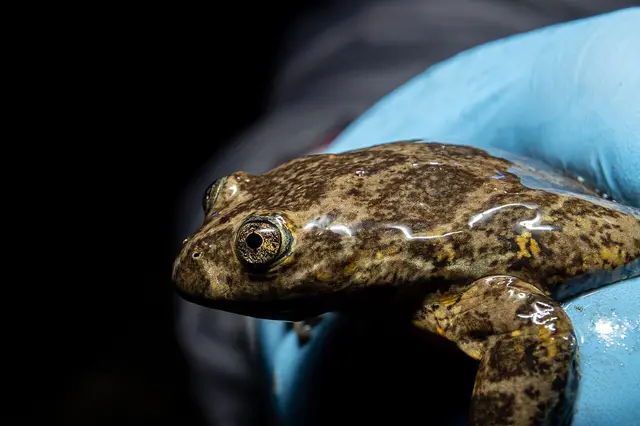
The Allipaca water frog (Telmatobius intermedius) lives in a few cold Andean streams in southern Peru, near the town of Puquio. Described in 1951, it was rediscovered in 2014, when frogs turned up in a market. The IUCN Red List rated it Endangered in 2018, mainly because its range is tiny and it is harvested.
Where it lives
The species is endemic to Peru and known only from the Allipaca (also spelled Allipacca) area near Puquio, in the Ayacucho region of the Andes. The IUCN counts just two locations and puts the extent of occurrence at about 238 km2. A Peruvian press report on a survey described the frog in only two streams of the Allipacca ravine, an area it equated to 10 km2.
It lives in streams in high-altitude shrubland and grassland between 2,860 and 3,300 m. Older accounts list Pampas Galeras National Reserve, about 30 km west of Puquio, as a record. Surveys of streams there in 2015 found no frogs.
Pins are Wikidata “endemic to” fields. Orange dots, when present, are GBIF occurrence tiles — survey bias included.
How it lives
It is a water frog in the family Telmatobiidae and spends its life in and beside streams. It breeds in the same streams, and the larvae develop there as tadpoles. Its streams run slowly and carry a good deal of livestock waste, but the frog seems to tolerate that. Little else has been published on its size, diet or behaviour.
A frog found in a market
The frog was described in 1951, and information on it stayed scarce for decades. In 2014 the Asociación Pro Fauna Silvestre Ayacucho found it in the market at Puquio, where it was about to be sold as frog juice, a blended drink. Studies stepped up in 2015 with support from the Amphibian Survival Alliance.
Why it is in trouble
The Red List rated the frog Endangered in 2018 under criterion B1ab(iii,v), citing its tiny range, a continuing decline in habitat quality and a continuing decline in the number of mature animals. It had been listed as Data Deficient in 2004. Peru's own national list of threatened wildlife still classes it as Data Deficient.
Harvesting for human consumption is a main concern, along with rubbish and polluted water. The streams are surrounded by farm fields, crossed by a paved road and rural roads, and lie close to the city. Researchers found solid waste such as empty agrochemical containers, detergents and plastics, and algae in many of the pools where the frogs should breed, which the press report linked to fertiliser. Peruvian wildlife officials also name invasive species that eat the frog's prey. Chytrid fungus, a disease that has killed many South American frogs, may be a further threat.
What is being done
The IUCN lists site management, harvest management and awareness work as the conservation actions, and records the frog from at least one protected area. Peru's wildlife agency, Serfor, has advised people not to drink frog juice sold in markets, saying it comes from wild extraction and has no nutritional benefit. It has also called for more research on the species.
Sources
Written for this catalog in our own words from the sources below, checked against them on 12 November 2026. Population figures are estimates and carry the year they were made. Status and assessment year: IUCN. 2026. The IUCN Red List of Threatened Species. Version 2026-1. iucnredlist.org.