Endangered
Squalius tenellus
Squalius tenellus
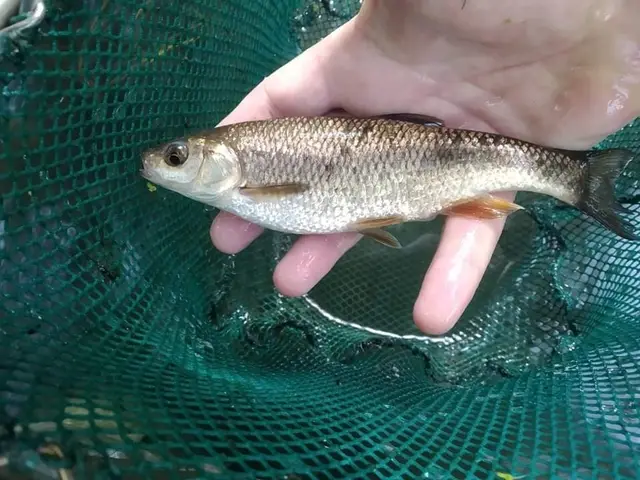
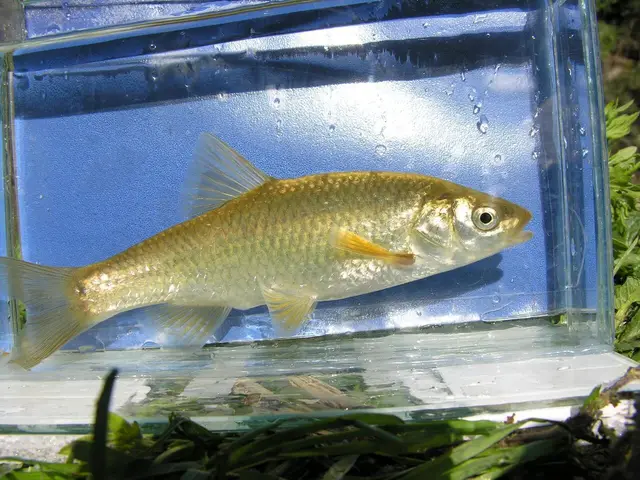
Squalius tenellus is a freshwater fish of the minnow family from the karst waters of the Cetina river system in Croatia and neighbouring Bosnia and Herzegovina. The IUCN Red List rated it Endangered in an assessment published in 2026. It can reach 40 cm, and its range is small and under pressure.
How to recognise it
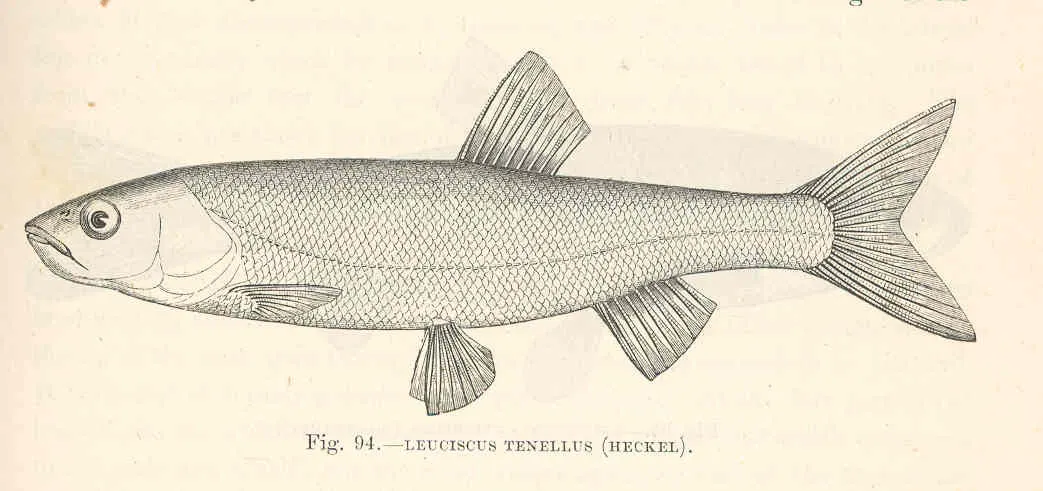
It belongs to the Leuciscidae, the daces and Eurasian minnows, and Johann Jakob Heckel described it in 1843. FishBase gives a maximum length of 40 cm (standard length).
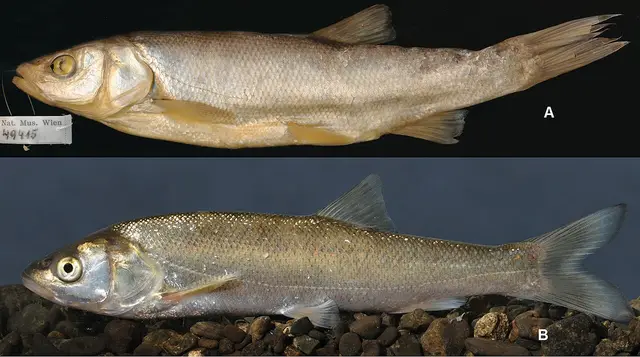
Its closest relative is reportedly Squalius microlepis, and a 2019 ZooKeys study of that species compared the two. It reported 68 to 83 lateral-line scales for S. tenellus, against 58 to 77 for S. microlepis.
Where it lives
FishBase records it from the Cetina, karst streams in the Livanjsko polje, Lake Buško and Mandečko near Livno. The Red List lists Bosnia and Herzegovina as native and treats Croatia as origin uncertain. It records four locations and two subpopulations.
The fish may not be native everywhere it's found. FishBase says it was possibly introduced to Lake Blidinje in Bosnia and Herzegovina more than a century ago. Habitats on the Red List include permanent rivers and streams, reservoirs over 8 hectares, seasonal lakes and karst underground water systems.
Pins are Wikidata “endemic to” fields. Orange dots, when present, are GBIF occurrence tiles — survey bias included.
How it lives
It lives in slow or still water and in lakes. In winter or during droughts it moves into underground waters. Adults in lakes feed on small fish. The Red List describes it as not migratory and living in groups all year.
Why it is in trouble
FishBase links a sharp decline in the 20th century to habitat loss and pollution. The Red List names water taken for farms, industry and households, large and small dams, sewage, nutrient pollution and renewable energy projects.
Introduced fish are a second problem. The assessment lists common carp, Prussian carp, rainbow trout, wels catfish, pikeperch, pumpkinseed, eastern mosquitofish and topmouth gudgeon. The Red List records no recovery plan, monitoring scheme or captive breeding, though the fish occurs in at least one protected area.
Sources
Written for this catalog in our own words from the sources below, checked against them on 12 November 2026. Population figures are estimates and carry the year they were made. Status and assessment year: IUCN. 2026. The IUCN Red List of Threatened Species. Version 2026-1. iucnredlist.org.