Endangered
Squalius microlepis
Squalius microlepis
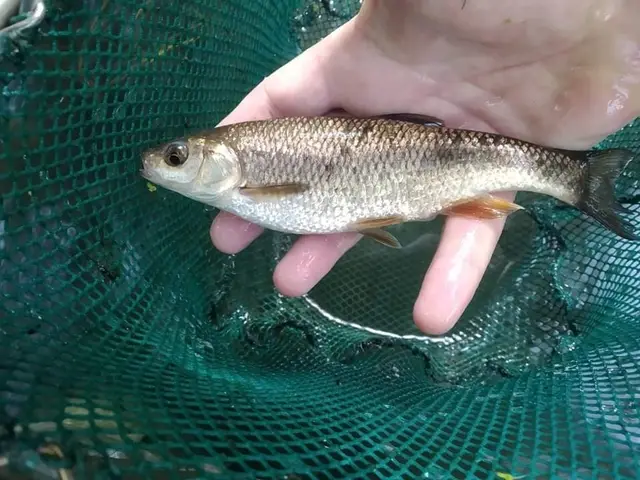
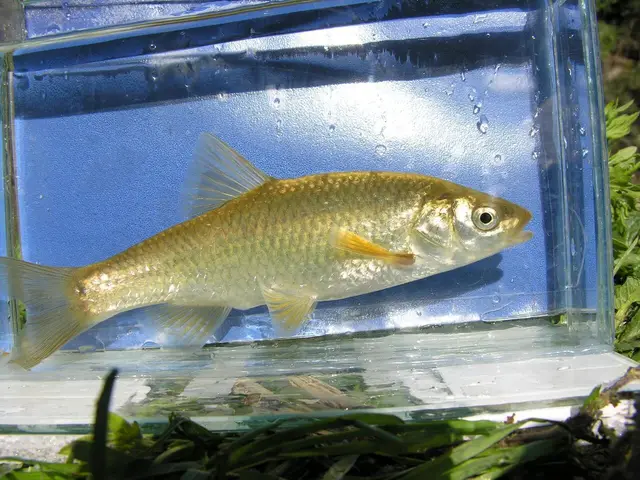
The Imotski chub (Squalius microlepis) is a freshwater fish of the karst rivers and lakes of Croatia and Bosnia and Herzegovina. The IUCN Red List rates it Endangered (assessed 2024). It lives in only four locations, and drought, dams, pollution and introduced fish are among the threats to its shrinking range.
How to recognise it
It is a chub of the family Leuciscidae, described by Johann Jakob Heckel in 1843. The largest recorded fish measured 34 cm in standard length. It is one of the chubs of the western Balkans and the Adriatic basin, and counts of scales along the side separate it from its closest relative.
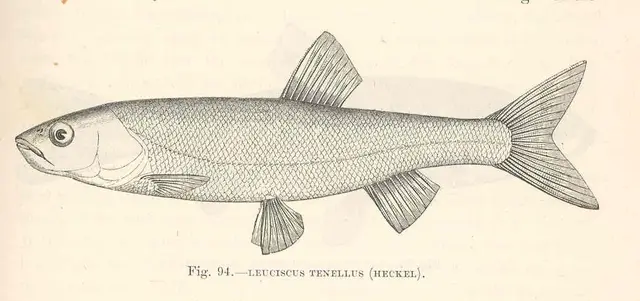
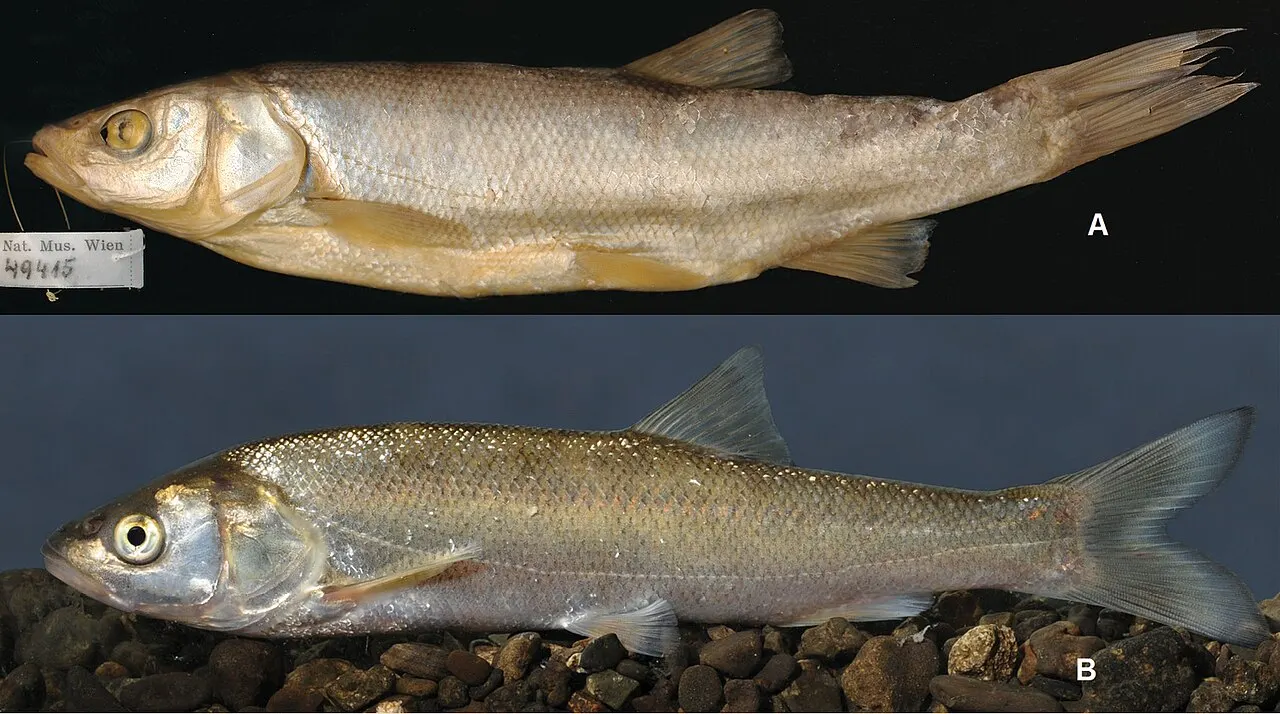
A 2019 study in ZooKeys examined 193 specimens from recent and historical collections. Its closest relative, Squalius tenellus, has 76 to 95 scales in the lateral series against 64 to 80 in the Imotski chub. The study also found two distinct forms within S. microlepis, mainly differing in gill raker number, lower jaw length and head length, and held back from any taxonomic change until molecular work is done.
Where it lives
In Croatia the fish is recorded from the Prološko and Ričice basins near Imotski and from the Matica drainage near Vrgorac. In Bosnia and Herzegovina it is found in the Tihaljina drainage, and possibly in the Trebižat, a tributary of the Neretva. The 2019 study found one form only in the Ričina, Prološko Blato and Vrljika karst system, mostly the other form in the lower Matica and the Tihaljina-Trebižat system, and both, with intermediates, around the karst fields near Vrgorac.
The IUCN counts four locations and two subpopulations, with an extent of occurrence of 809 square kilometres. Its habitats are permanent rivers and streams plus permanent and seasonal lakes of more than 8 hectares. It does not migrate.
Pins are Wikidata “endemic to” fields. Orange dots, when present, are GBIF occurrence tiles — survey bias included.
How it lives
It is a fish of lakes and still waters. Adults eat young fish, and spawning takes place along lake shores. Its resilience is rated low, with an estimated minimum population doubling time of 4.5 to 14 years, so losses are slow to recover.
Why it is in trouble
The 2019 study reported a dramatic reduction in the fish's range and abundance in recent years. The IUCN assessment lists drought, small and large dams, other changes to waterways, nutrient loads, silt, herbicides and pesticides, sewage, and water abstraction for homes and farms. Introduced fish are also named as threats, among them largemouth bass, pike, zander, perch, pumpkinseed and common carp. FishBase adds overfishing.
The assessment gives drought as affecting essentially the whole range, and records competition and reduced breeding success among the effects.
What is being done
Conservation sites have been identified over part of its range, and it occurs in at least one protected area. It is covered by international legislation. The IUCN records no action recovery plan, no systematic monitoring, no captive population and no recent awareness programmes.
Sources
Written for this catalog in our own words from the sources below, checked against them on 12 November 2026. Population figures are estimates and carry the year they were made. Status and assessment year: IUCN. 2026. The IUCN Red List of Threatened Species. Version 2026-1. iucnredlist.org.