Critically Endangered
Squalius lucumonis
Squalius lucumonis
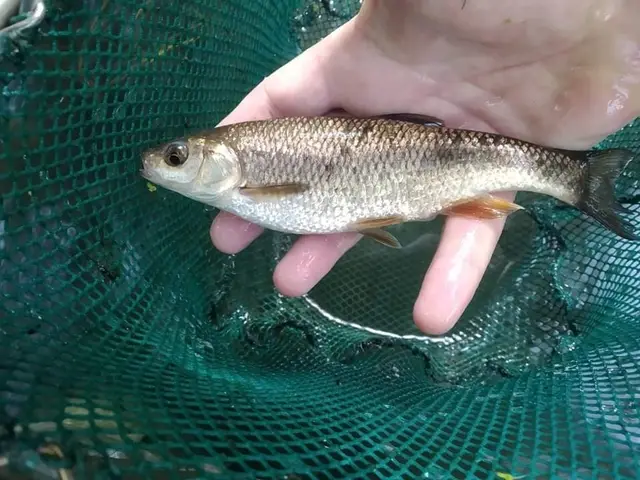
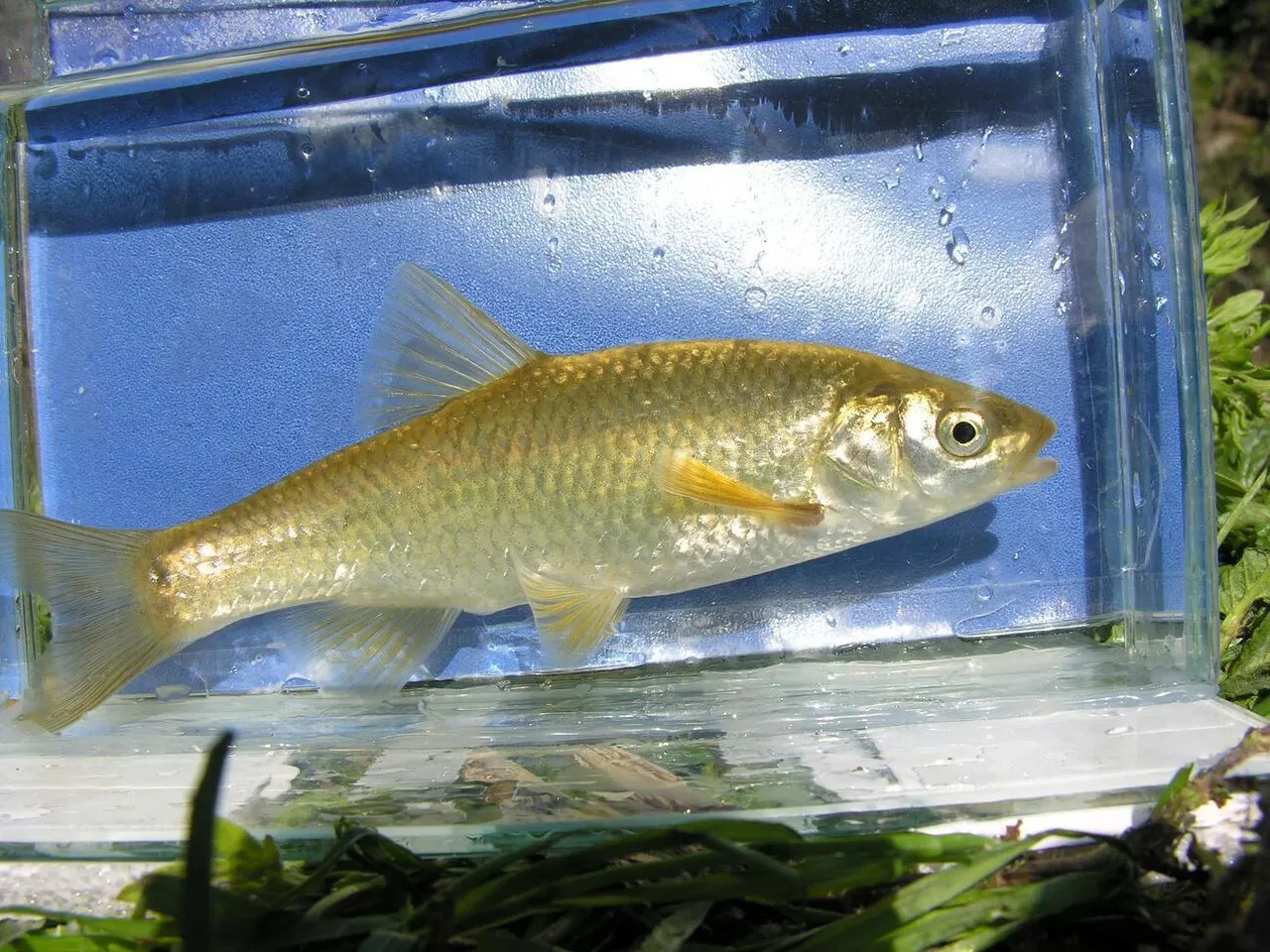
The Etruscan chub (Squalius lucumonis) is a small freshwater fish found only in central Italy, in streams of the Tuscany and Lazio region. The IUCN Red List rated it Critically Endangered in 2024, with a decreasing population, as its streams are drained, polluted and invaded by non-native fish.
How to recognise it
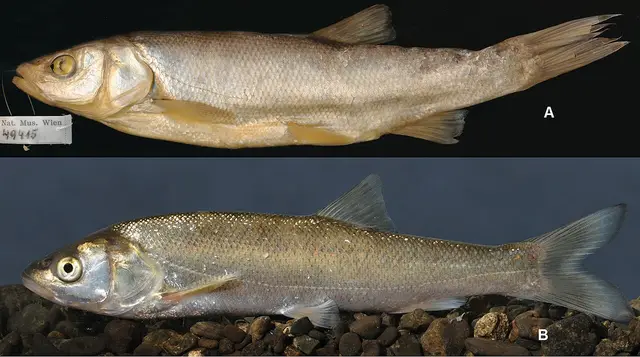
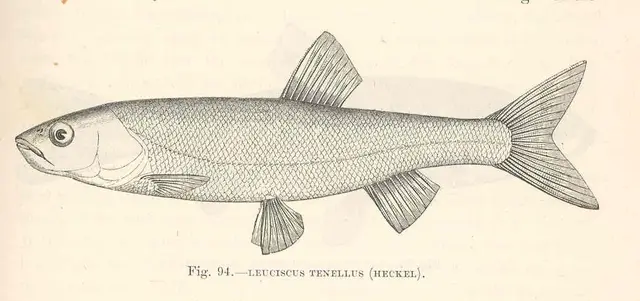
It is a modest, minnow-like member of the carp family Leuciscidae, reaching about 16 cm in standard length. Compared with the related Rutilus rubilio and Squalius squalus, it has a higher body profile when seen from the side.
For years some researchers suspected the fish was a hybrid between other species. A 2013 study in PLoS ONE, covering 145 fish of four species from the lower Tiber basin, found no hybrid nuclear genomes and concluded the chub is a distinct species. The study covered only the Tiber, and it noted that further work was needed.
Where it lives
It is endemic to the Tyrrhenian side of central Italy, in the Ombrone-Serchio, Arno and Tiber river basins, where about 12 main populations were estimated. It lives in small to medium streams in the foothills with a Mediterranean water regime. In summer, when flow drops, it may be confined to very small pools. It eats invertebrates and spawns in shallow, fast-flowing riffles.
Pins are Wikidata “endemic to” fields. Orange dots, when present, are GBIF occurrence tiles — survey bias included.
Why it is in trouble
The 2024 assessment records a decreasing population and a continuing decline in its range. Listed threats include water abstraction for homes and agriculture, small dams, sediment, nutrient and pesticide pollution, sewage, quarrying, droughts and a range of introduced species.
One documented competitor is the South European nase (Protochondrostoma genei), moved unintentionally from northern Italy into the Tiber basin in the 1960s. On Italy's national Red List the chub is also rated Critically Endangered.
What is being done
The Red List says conservation sites have been identified over part of its range, that it occurs in at least one protected area and that invasive species control is in place. It also records no recovery plan and no systematic monitoring scheme.
A Species Conservation Fund grant awarded in 2019 supported a project to remove alien fish at two Tiber basin sites, restock the chub using wild fish from healthy populations, reduce fishing pressure and create no-fishing areas. The project page does not report results.
Sources
Written for this catalog in our own words from the sources below, checked against them on 12 November 2026. Population figures are estimates and carry the year they were made. Status and assessment year: IUCN. 2026. The IUCN Red List of Threatened Species. Version 2026-1. iucnredlist.org.