Endangered
Savigny's Fringe-fingered Lizard
Acanthodactylus savignyi
Savigny's fringe-fingered lizard (Acanthodactylus savignyi) is a small lacertid lizard from the coast of northern Algeria. The IUCN rated it Endangered in 2025, citing a small, fragmented range of dunes and scrub that is being built over. Its original specimen was recorded as coming from Egypt.
How to recognise it
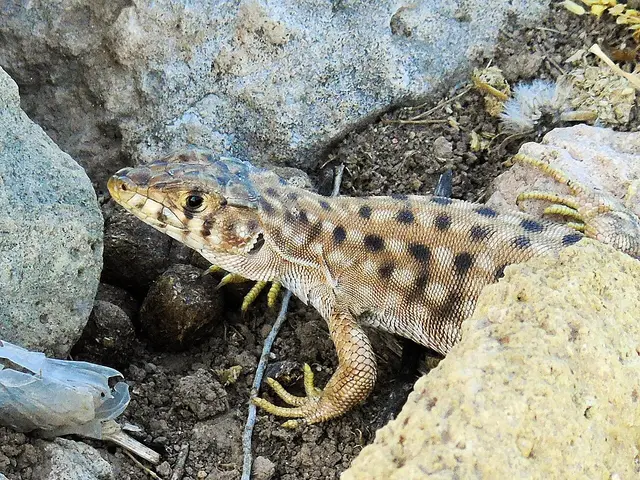
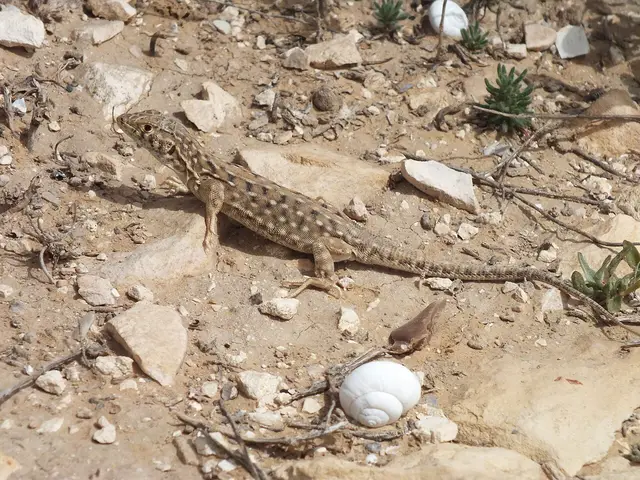
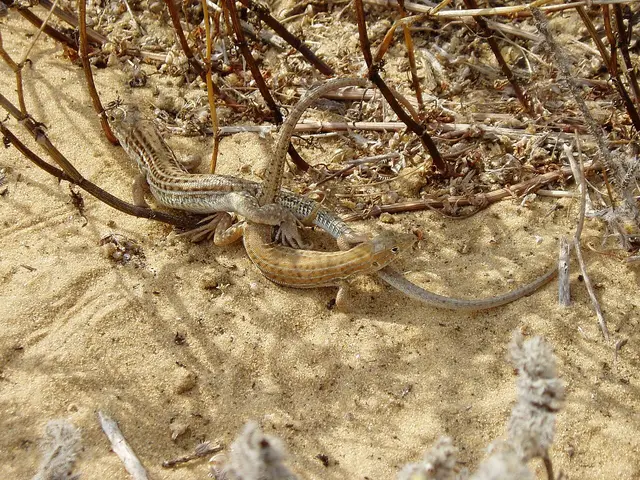
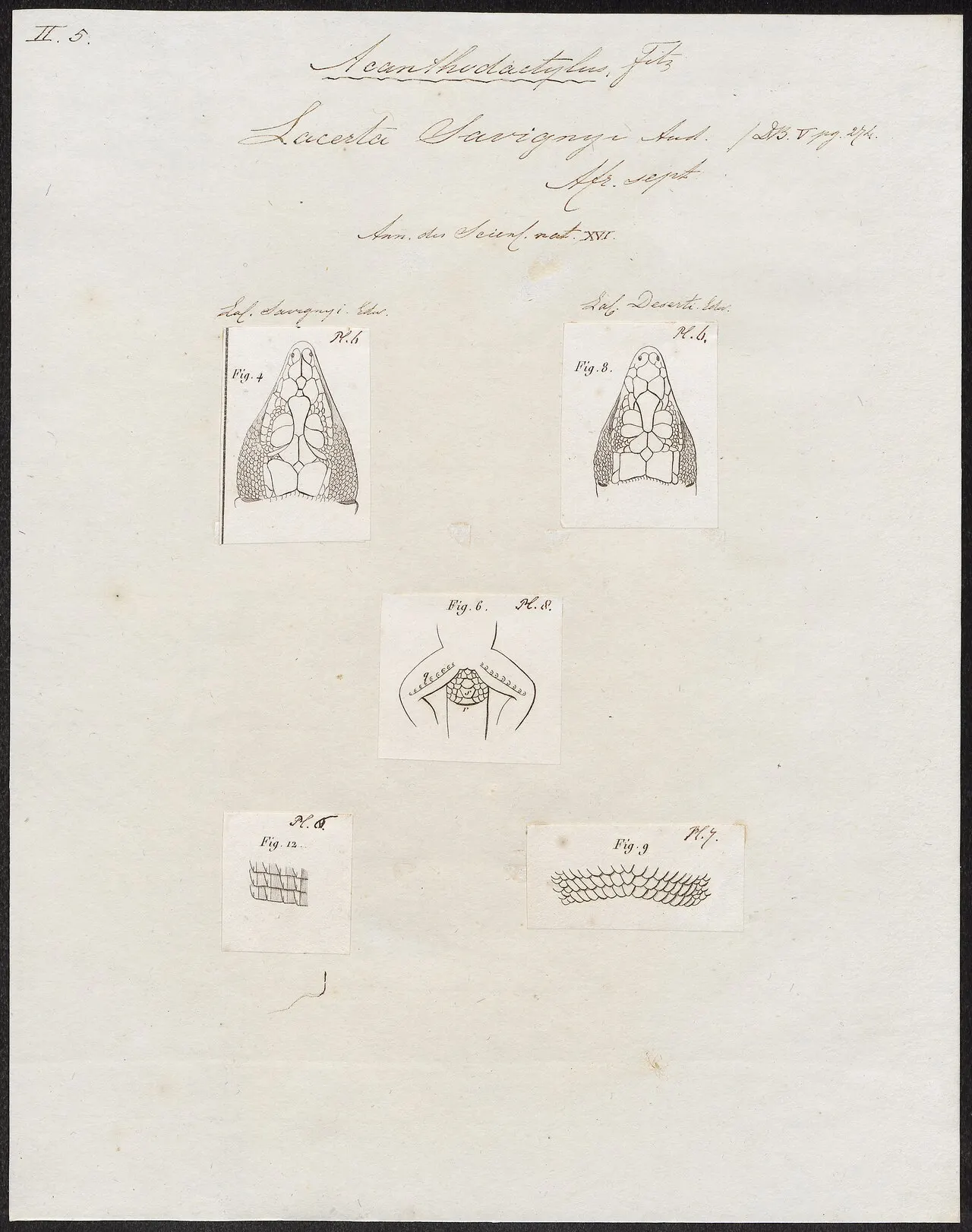
This is a small lizard of the family Lacertidae. Compared with the related A. erythrurus it has a more slender, pointed head and sharply keeled scales on its back, and dark, narrow bands run down each side of the back. It lays eggs.
The species honours Marie Jules César Savigny (1778 to 1851), a French zoologist who joined Napoleon's expedition to Egypt. The type locality is given as Egypt, far from the Algerian coast where the species is known today.
Where it lives
It lives on the coast of northern Algeria, from sea level to about 500 m. The IUCN treats it as endemic to Algeria, though some references say it may also reach Morocco. Its habitats are coastal sand dunes and Mediterranean-type shrubland. The assessment puts the area it occupies at 172 to 499 square kilometres, within a wider extent of about 46,800 square kilometres.
A 2024 paper by El Bouhissi and colleagues in Community and Ecology reported an expanded range, including a new provincial record in Algeria. A 2024 checklist of Algerian reptiles and their conservation status, by Rouag and colleagues in Biodiversity Data Journal, covers the country's reptile fauna.
Pins are Wikidata “endemic to” fields. Orange dots, when present, are GBIF occurrence tiles — survey bias included.
Why it is in trouble
The 2025 assessment rates the population as decreasing and severely fragmented, with its habitat still shrinking. The threats it names are housing and urban areas, tourism and recreation areas, drought, small-holder grazing and farming, and unintended effects of other activities.
Earlier assessments were milder. A 2006 IUCN listing placed it in Near Threatened, and the Reptile Database still carries that older rating.
What is being done
The 2025 assessment says the species does not occur in any protected area. The conservation actions it lists as needed are protection of the resource and habitat, policies and regulations, site management and standards for private industry. It lists no research priorities.
Sources
Written for this catalog in our own words from the sources below, checked against them on 12 November 2026. Population figures are estimates and carry the year they were made. Status and assessment year: IUCN. 2026. The IUCN Red List of Threatened Species. Version 2026-1. iucnredlist.org.