Critically Endangered
Salvelinus grayi
Salvelinus grayi
Gray's char, also called the Melvin char, is a small silvery lake fish found nowhere except Lough Melvin on the Ireland and Northern Ireland border. The IUCN Red List rates it Critically Endangered (assessed 2008), and reported counts in the lake fell sharply between the 1970s and 2001.
How to recognise it
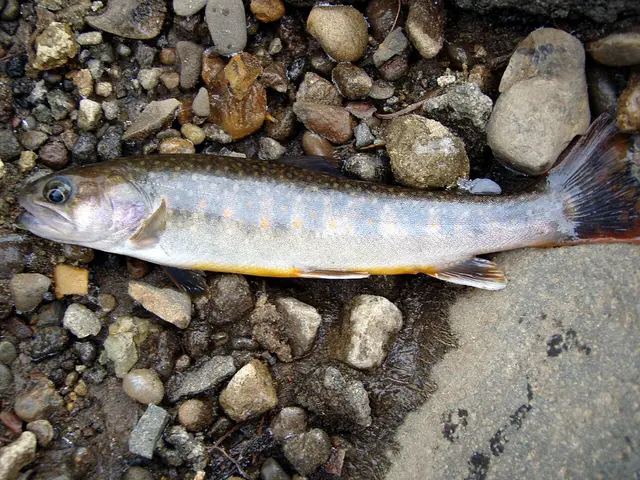
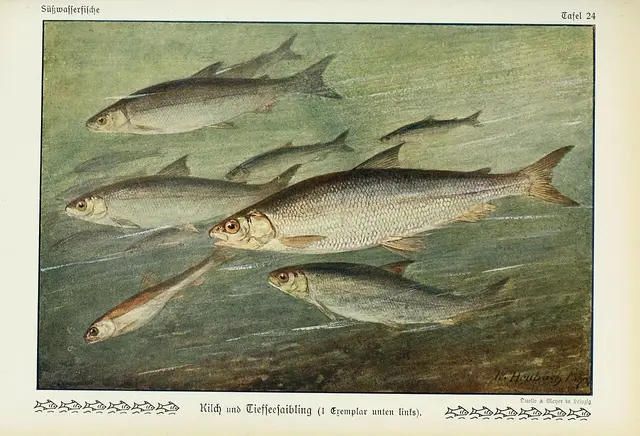
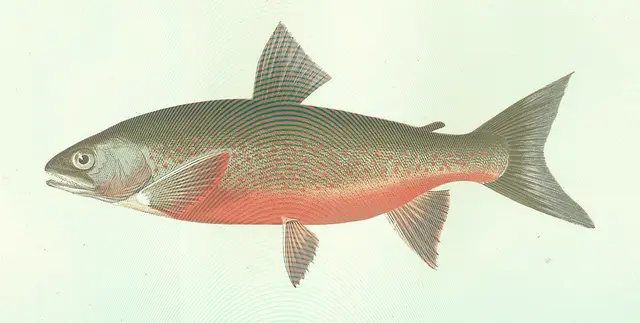
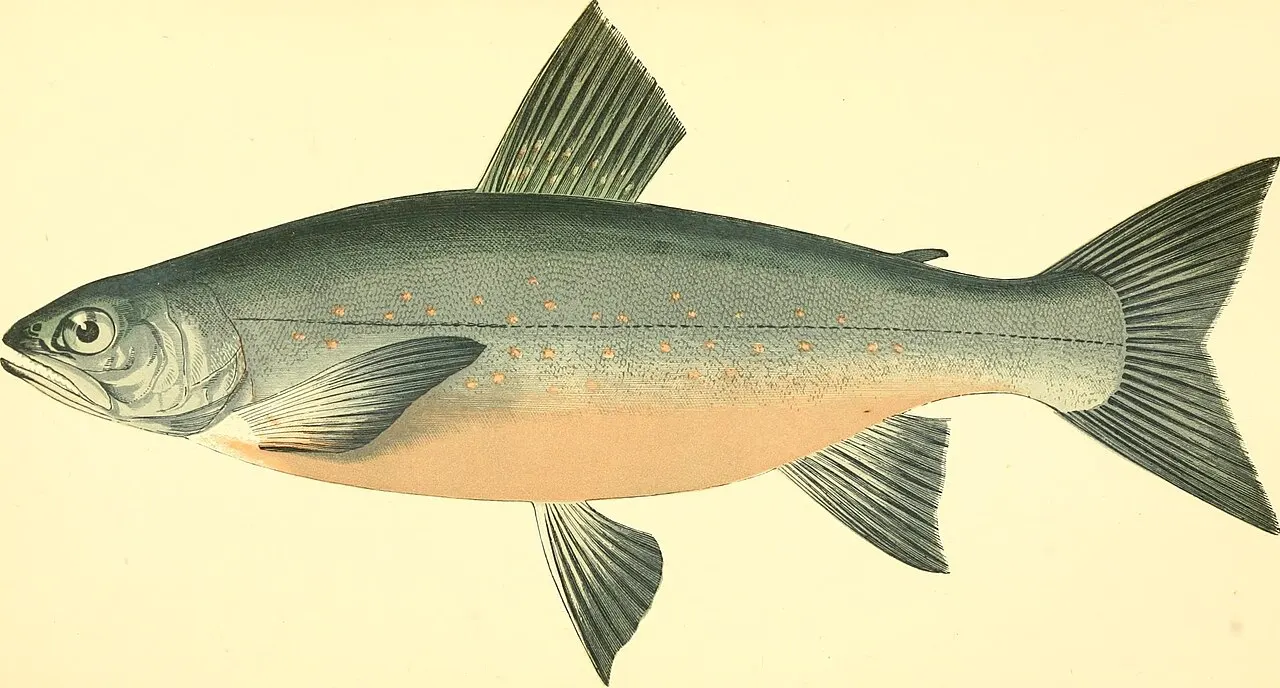
Gray's char is a modest fish. Adults average about 25 to 30 cm long and weigh around 230 g. The body is dull grey above with a yellowish to orange belly, and it carries small whitish spots on the upper flanks and on the dorsal and tail fins.
Compared with other char, it is deeper and more flattened from side to side, with a shorter tail stalk and larger scales. Albert Gunther described it in 1862 and named it after his colleague John Edward Gray. It has also gone by the names Lough Melvin char and freshwater herring.
Where it lives
Lough Melvin sits in the north-west of the island, on the border between County Leitrim in Ireland and County Fermanagh in Northern Ireland. It covers about 21 square kilometres, runs roughly 12 km long and is up to 45 m deep. The Red List records the char as native to both Ireland and the United Kingdom, and its habitat as permanent freshwater lake.
The lake also holds the sonaghen trout, found only there, and the gillaroo trout. A 2022 review in Ecology of Freshwater Fish named Lough Melvin as one of only two lakes known to hold three or four trout populations living side by side and feeding in different ways. The other is Loch Laidon in Scotland.
Pins are Wikidata “endemic to” fields. Orange dots, when present, are GBIF occurrence tiles — survey bias included.
How it lives
Outside the breeding season, the char stays in open water at depths of roughly 10 to 30 m, away from the shore. It feeds mainly on water fleas, the tiny crustaceans that drift in the plankton.
In November it moves into shallow, rocky areas to spawn.
Why it is in trouble
Reported counts of Gray's char in the lake fell from 33 in 1975 and 42 in 1986 to just 12 in 2001. The IUCN lists the population trend as decreasing, under criterion B1ab(iii,v), which points to a small range and a continuing decline in habitat quality and numbers.
Two pressures stand out. Farming in the catchment has raised phosphorus levels, and char are known to react badly to nutrient enrichment. Introduced fish, including pike, bream, perch, roach, tench and rudd, compete with it, and the IUCN scores nutrient loads and each of these fish as a low but ongoing impact.
Attempts to rescue the species have run into the basic problem of finding fish. A plan around 2003 to move some to a nearby reservoir reportedly failed because none could be caught despite an extensive search, and fish were not seen at their usual spawning sites.
What is being done
The IUCN assessment lists national and international protection, site management, habitat restoration and a benign introduction (moving fish to a new, safe site) among the conservation actions needed. It also calls for research on population size and trends, life history and threats.
The 2008 assessment is old, and recent lake-wide numbers are hard to find, so the present-day population is not clear.
Sources
Written for this catalog in our own words from the sources below, checked against them on 12 November 2026. Population figures are estimates and carry the year they were made. Status and assessment year: IUCN. 2026. The IUCN Red List of Threatened Species. Version 2026-1. iucnredlist.org.