Endangered
Kirikuchi char
Salvelinus japonicus
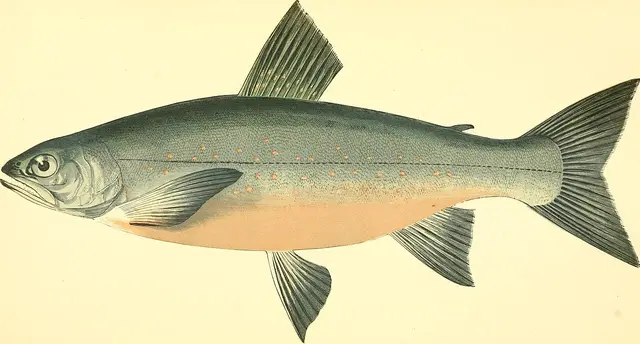
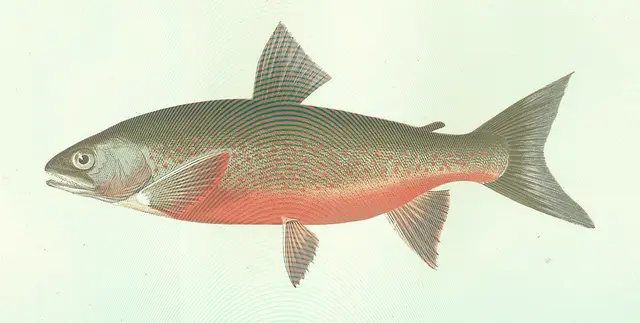
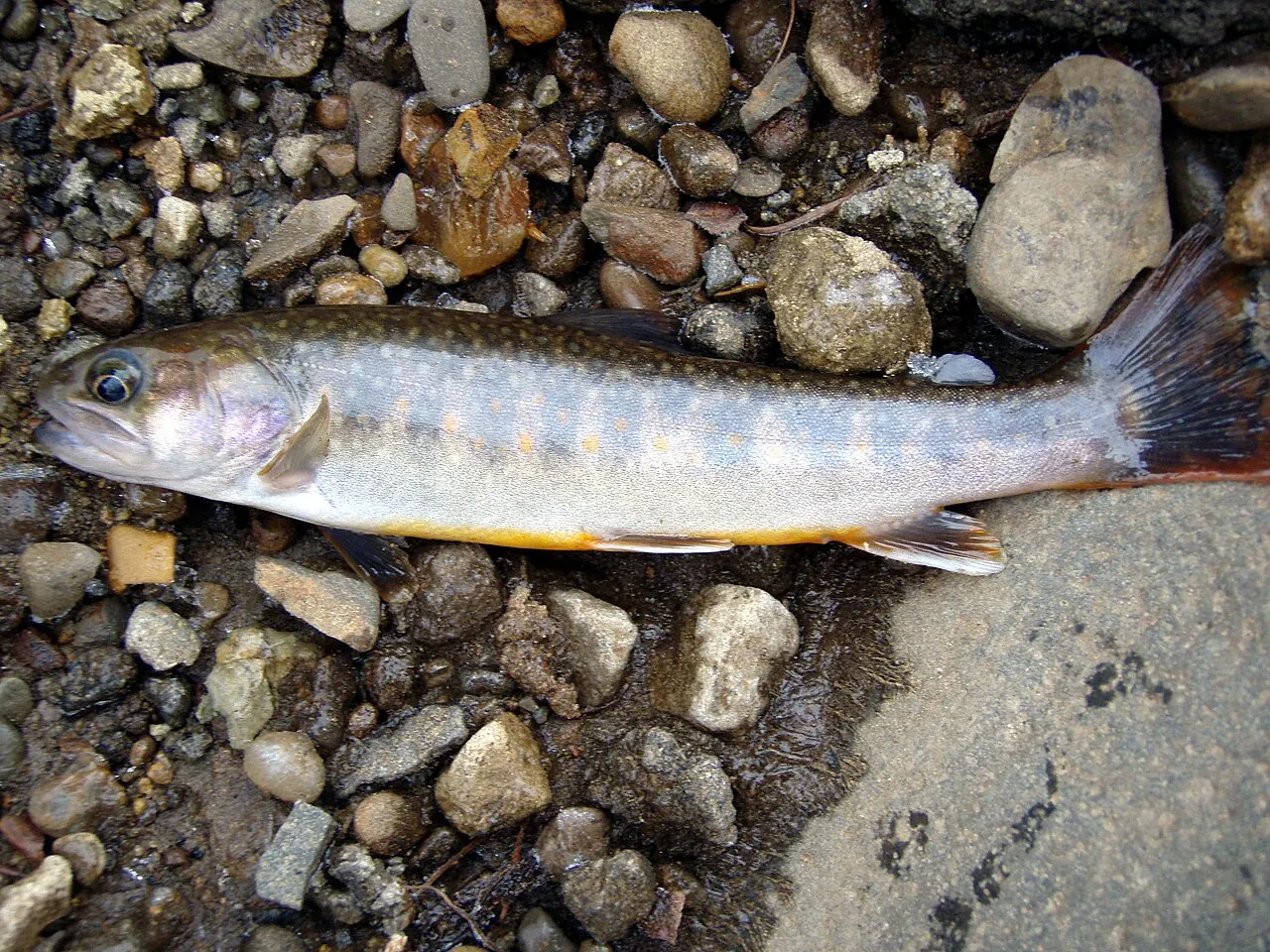
The Kirikuchi char (Salvelinus japonicus) is a small mountain fish found only in headwater streams on the Kii Peninsula of central Honshu, Japan. It is the southernmost char in the world. The IUCN Red List rated it Endangered in 1996, and hybridization with introduced fish threatens what is left.
Where it lives
The Kirikuchi char is endemic to Japan, restricted to the Kii Peninsula in south-central Honshu. It is a relict, a cold-water fish left isolated at the southern edge of a genus that otherwise lives much farther north. It is nonanadromous, meaning it stays in fresh water. Its home is the cold upper reaches of the Totsu River system.
Its range has shrunk badly. A 2024 review of Japan's native charr says the fish has been lost from most of its range through habitat destruction, overharvest and hybridization. A 2010 genetic study by Takuya Sato and colleagues in the Transactions of the American Fisheries Society found native fish surviving only in isolated headwaters above natural waterfalls or erosion-control dams, and described them as confined to two upper drainages. The 2024 review counts seven small, isolated populations instead, so published numbers differ.
Pins are Wikidata “endemic to” fields. Orange dots, when present, are GBIF occurrence tiles — survey bias included.
A name with two lives
It is usually treated as a subspecies of the whitespotted char, Salvelinus leucomaenis japonicus, described by Oshima in 1961. The Red List keeps it as a species of its own under the older name Salvelinus japonicus. Either way, genetic work shows it is distinct from the other whitespotted char forms.
How it lives
Much of its food falls into the stream from the forest above. Horsehair worms (nematomorph parasites) make their camel cricket and grasshopper hosts jump into the water, where the worms reproduce. The char eat those insects between mid-August and mid-November. In one stream, a 2011 paper in the journal Ecology found that the infected insects supplied about 60 percent of the char's annual energy intake.
Why it is in trouble
Hybridization is a major problem. The 2010 study found that native fish in both drainages had interbred extensively with stocked char from eastern Honshu, and the 2024 review names introduced Nikko-iwana and Ezo-iwana char as the source. Red-spotted masu salmon, a different genus, are also moving upstream into small char populations and producing hybrids. Sato and colleagues documented this in one small mountain stream in 2008.
The pure populations that remain have very little genetic variation, and the 2010 study found a single mitochondrial haplotype in them. The 2024 review quotes effective population sizes (a measure of how many fish are really breeding) of 38 to 68 and 55 to 158 for two pure populations about 40 km apart. Groups this small and cut off from each other are vulnerable to loss.
What is being done
Nara Prefecture lists the fish as near-extinct on its Red List, and Wakayama Prefecture records it as extinct there. A protected forest of 147.3 hectares was established at Tenkawa in 2015 for the fish and its streams. The area is also a wildlife protection area and part of Yoshino-Kumano National Park, and the char has prefectural natural monument status. Managers are watching a new problem, sika deer browsing that thins the forest floor, which could erode soil into the streams.
The 2010 study recommended managing the two drainages as separate conservation units and moving fish between local populations within each drainage to restore gene flow. Fishing has long been prohibited in some small headwater streams in Japan that hold rare char forms, including Kirikuchi.
Sources
Written for this catalog in our own words from the sources below, checked against them on 12 November 2026. Population figures are estimates and carry the year they were made. Status and assessment year: IUCN. 2026. The IUCN Red List of Threatened Species. Version 2026-1. iucnredlist.org.