Endangered
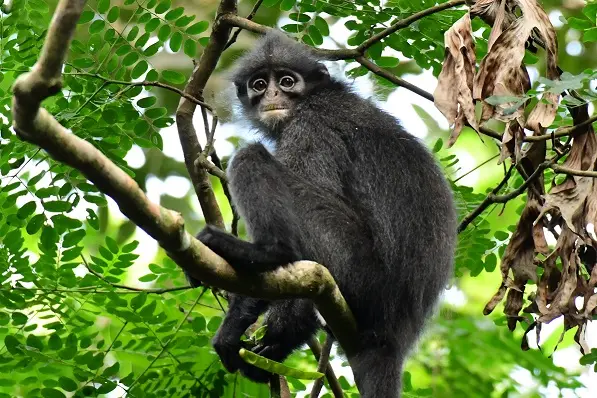
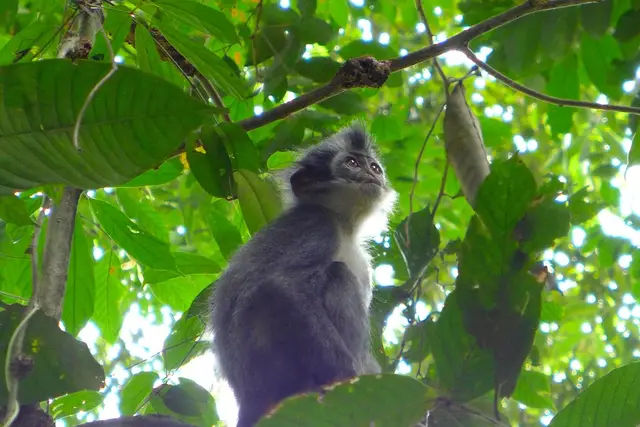
Sabah grizzled langur
Presbytis sabana
The Sabah grizzled langur (Presbytis sabana) is a grey, long-tailed leaf monkey from northern Borneo, found mainly in the Malaysian state of Sabah. The IUCN Red List rated it Endangered in 2020. Hunting and the loss of tall rainforest are driving its decline.
How to recognise it
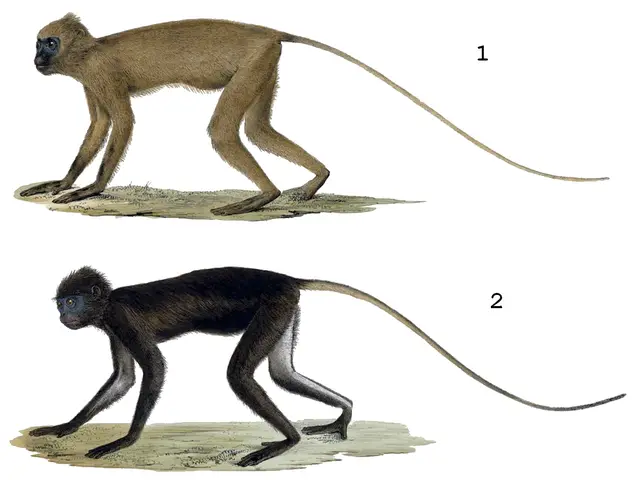
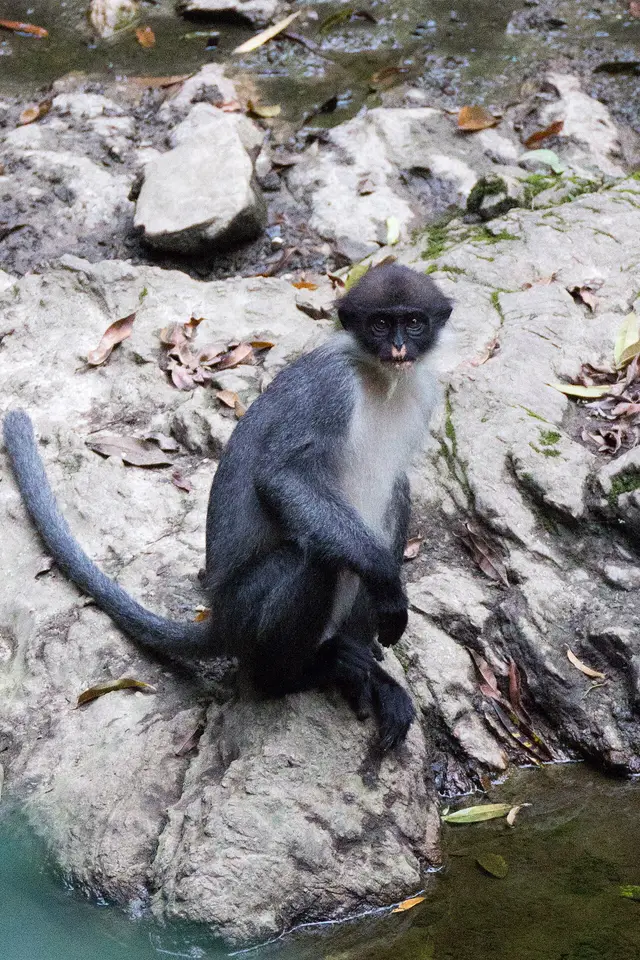
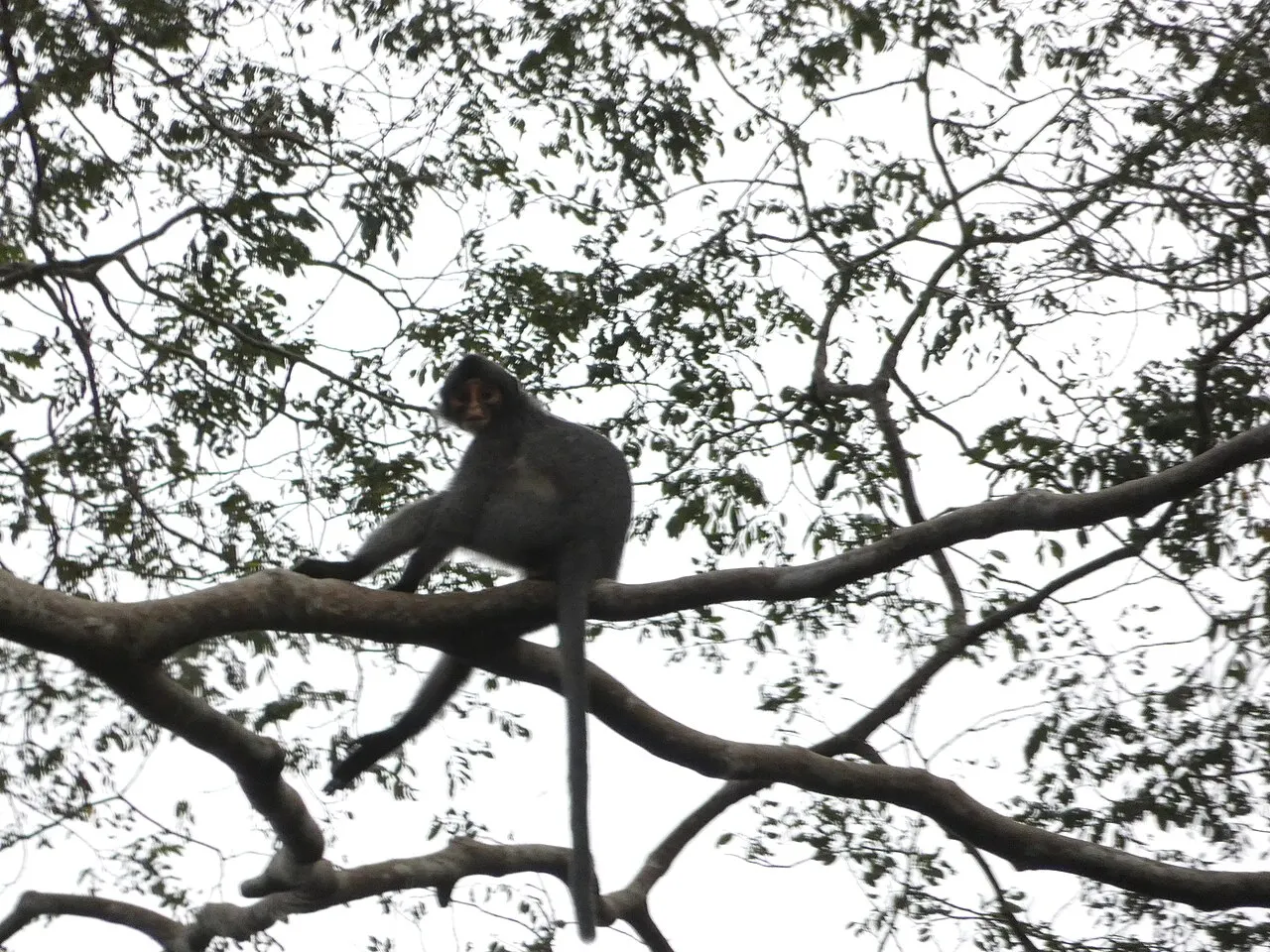
This is a slender, tree-dwelling monkey with a mostly grey coat, a paler belly and dark hands and feet. The body is about 48 to 56 cm long, and the tail is longer than the body, at roughly 64 to 84 cm. Males weigh about 6 to 7 kg and females about 5.5 to 6 kg.
Until fairly recently it was treated as a subspecies of Hose's langur (Presbytis hosei sabana). It is now ranked as a species in its own right, and the common name is also given as Saban or crested grizzled langur.
Where it lives
The IUCN records it in Sabah, Malaysia, at about 50 to 2,000 m above sea level. Some accounts add part of northern Kalimantan on the Indonesian side of Borneo, but the IUCN's location list names only Sabah, so the Indonesian range is uncertain.
It uses evergreen lowland forest, riverside forest and montane forest, and will also enter tree plantations. Reported protected-area records include Danum Valley, Tabin, Sepilok, Lower Kinabatangan and the Maliau Basin.
Pins are Wikidata “endemic to” fields. Orange dots, when present, are GBIF occurrence tiles — survey bias included.
How it lives
It is active by day and spends its life in the trees. Groups usually have one adult male, two to six adult females and their young, up to 14 animals in all. Home ranges run from roughly 35 to 125 hectares, and a group travels about 700 to 800 m a day. Females leave the group they were born in when they mature, while young males live alone until they form their own group. It is sometimes seen alongside maroon langurs.
Young leaves make up the largest share of the diet, at roughly 42 to 45 percent, with seeds, fruit, flowers, insects and bark added, plus mineral-rich mud. In logged forest, leaves make up about 60 percent of the diet and fruit about 19 percent, against about 78 percent leaves and 3 percent fruit in unlogged forest. Females give birth to a single young, with births recorded from July to October after a gestation of five to six months, and young reach independence at about three years.
Why it is in trouble
The IUCN rates it Endangered under criteria A2acd+4acd, based on an estimated decline of about 50 percent, past and ongoing, from habitat loss and hunting. The assessment uses a generation length of 12 years. The population trend is decreasing, the area of habitat is still shrinking, and no population size has been published.
Hunting is believed to be the main cause of the decline. Animals are taken for food, and for bezoar stones from the gut that are thought to have medicinal value. Mass clearing that destroys the canopy is also harmful, though the species tolerates light logging.
What is being done
The species is listed on CITES Appendix II. The IUCN names site and area protection, site management, harvest management and awareness work among its conservation actions, and records no species recovery plan and no systematic monitoring scheme. Research needs listed by conservation groups include population size, distribution and trends. It has not been reported in captivity.
Sources
Written for this catalog in our own words from the sources below, checked against them on 12 November 2026. Population figures are estimates and carry the year they were made. Status and assessment year: IUCN. 2026. The IUCN Red List of Threatened Species. Version 2026-1. iucnredlist.org.