Endangered
São Tomé Shrew
Crocidura thomensis
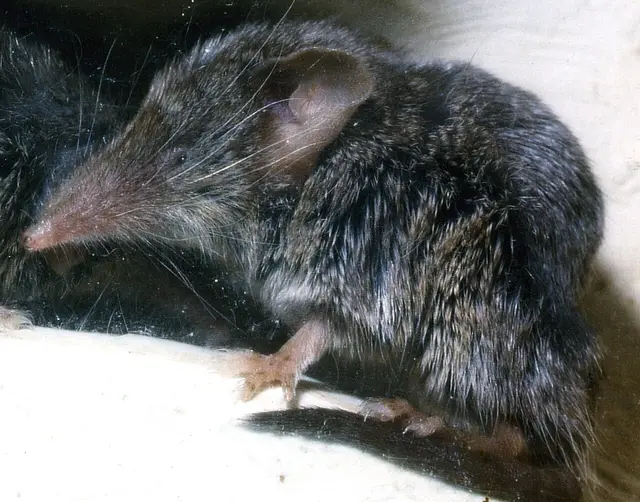
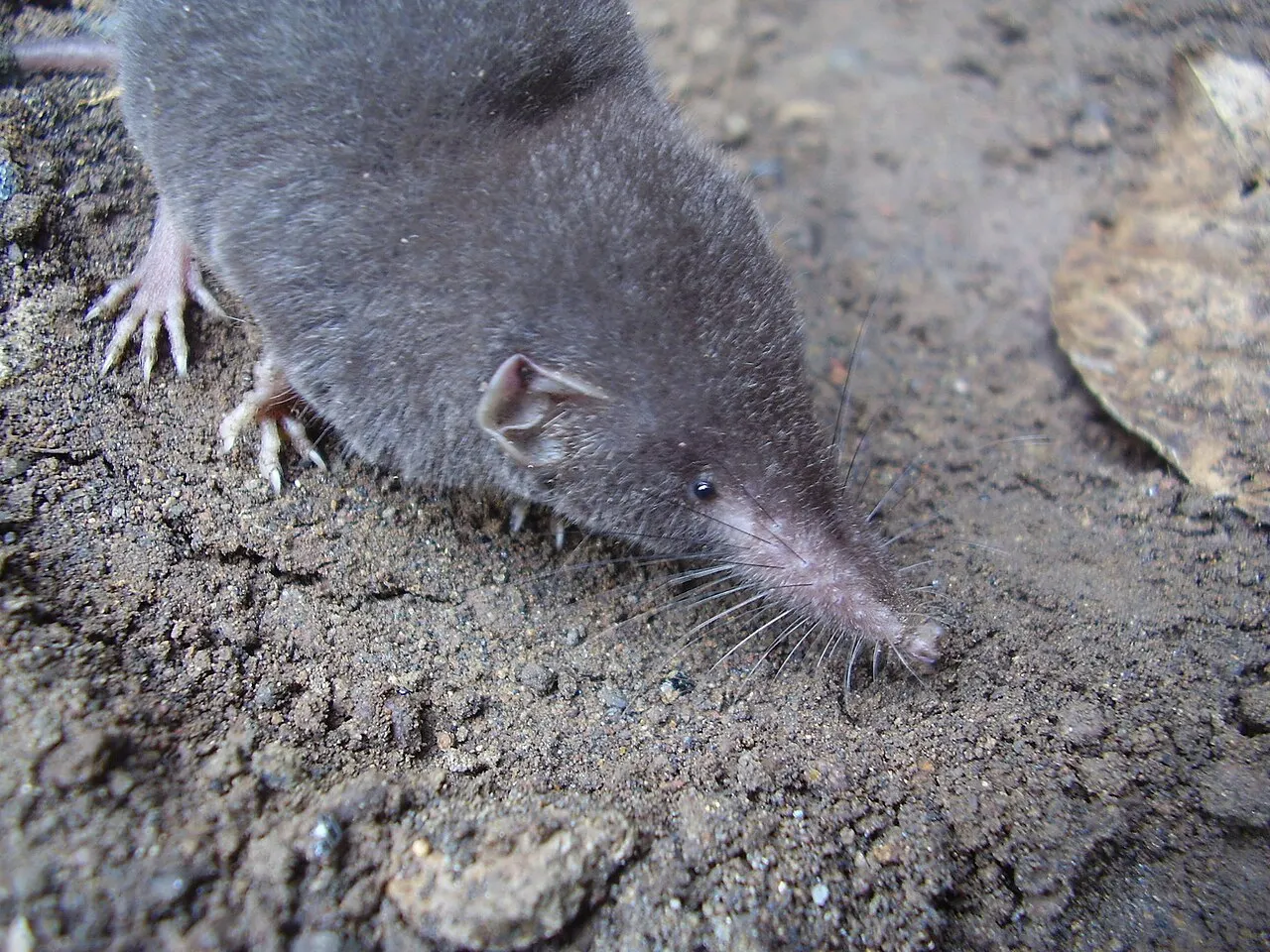
The São Tomé shrew (Crocidura thomensis) is a small white-toothed shrew found only on São Tomé Island, a volcanic island off the coast of central Africa. It is an insect eater of wet forest. The IUCN Red List rated it Endangered in 2016, and its numbers are still falling.
Size and discovery
It is a tiny, long-snouted shrew, about 7.6 cm (3 inches) long. It was first found in 1886 and described by the zoologist Bocage in 1887. Beyond its size, little has been published about its appearance, diet or behaviour.
Where it lives
São Tomé is a small shield volcano rising from the Atlantic, part of the country São Tomé and Príncipe. The shrew occurs nowhere else. Its extent of occurrence is under 1,000 km², and it may be nearer 500 km² if it uses most of the island's forest. The IUCN assessment gives a single location and an elevation range from about 75 m to 1,400 m.
It has been found in moist lowland and montane forest, in heavily degraded former forest and in plantations.
Pins are Wikidata “endemic to” fields. Orange dots, when present, are GBIF occurrence tiles — survey bias included.
How many are known
No population count exists. For over a century the shrew had been recorded only nine times. A 2016 paper in Oryx by Ricardo de Lima and colleagues added 23 new records from 15 new locations, and noted that systematic surveys were lacking. Even so, they found a shift: 5 of the 8 older records with habitat data came from plantations, against 2 of the 23 new ones, and local people described the same decline. They recommended keeping the Endangered category.
The IUCN lists the population trend as decreasing.
Why it is in trouble
Forest loss and degradation for expanding agriculture is the main pressure. The Oryx paper also points to pesticide use and farming intensification, introduced species, and a growing human population, which rose from about 100,000 in the mid-1980s to almost 170,000 in 2012. Several recent long, intense dry seasons may add a climate threat, and the paper raised the possibility that the shrew depends on wet environments.
What is being done
The shrew occurs in at least one protected area. The Oryx paper named effective protection of Obô Natural Park, created in 2006, and the forests around it as the most important step for the species, while describing enforcement there as almost non-existent. Its research priorities were distribution, abundance and ecology, the effect of introduced species, and vulnerability to climate change.
Sources
Written for this catalog in our own words from the sources below, checked against them on 12 November 2026. Population figures are estimates and carry the year they were made. Status and assessment year: IUCN. 2026. The IUCN Red List of Threatened Species. Version 2026-1. iucnredlist.org.