Endangered
Canarian shrew
Crocidura canariensis
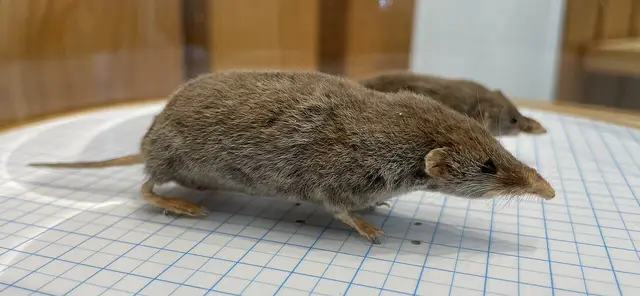
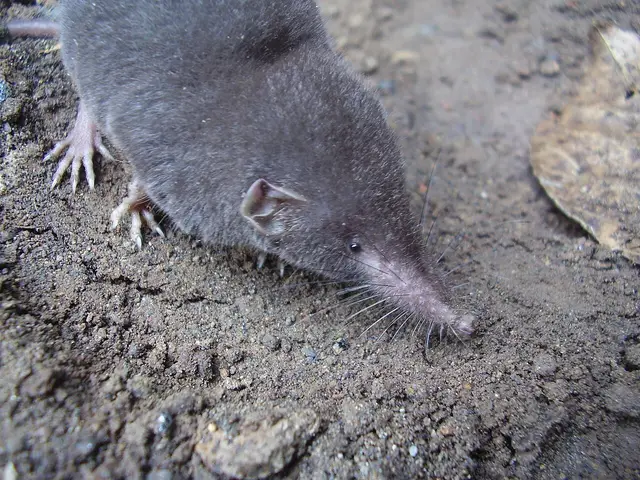
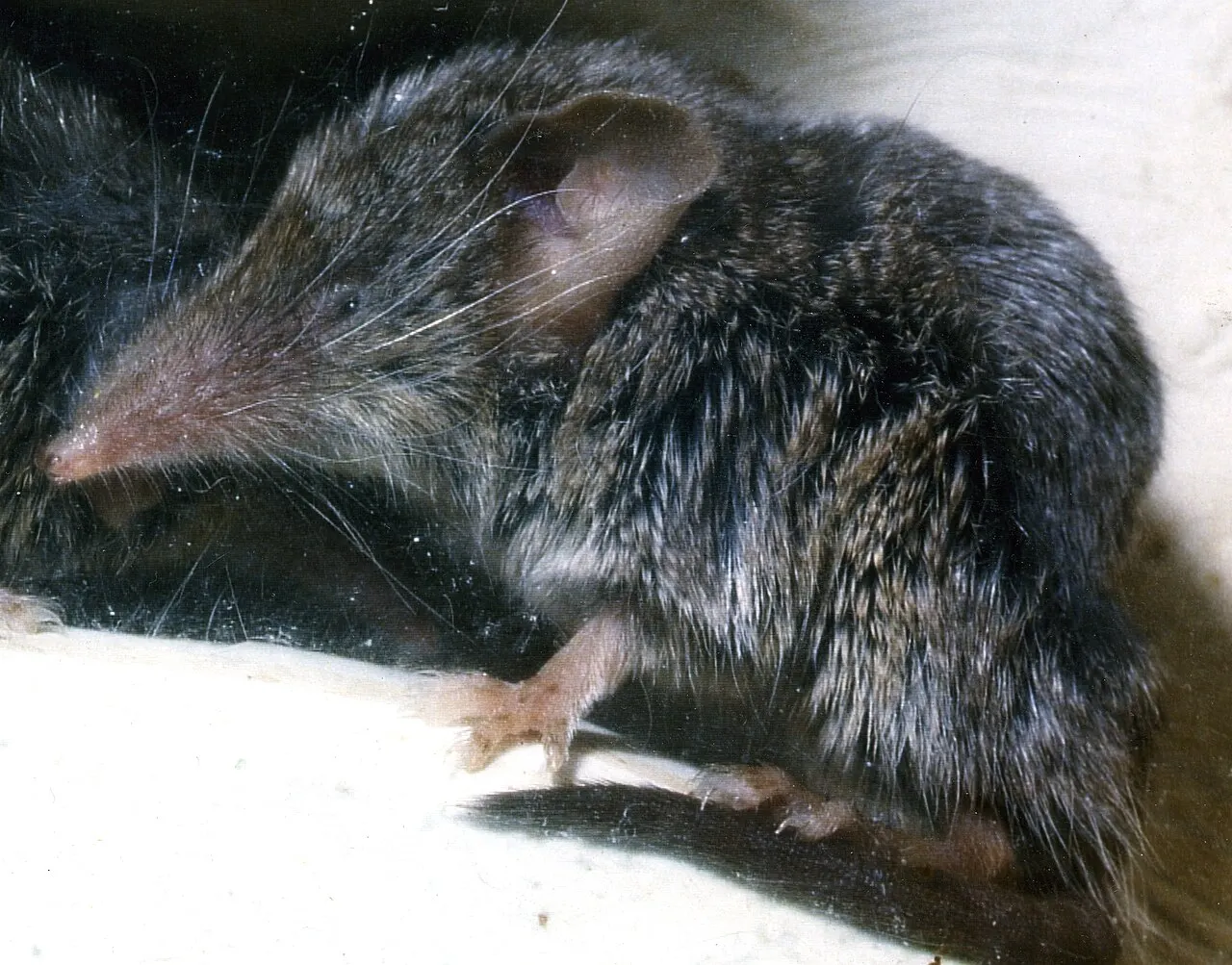
The Canarian shrew (Crocidura canariensis) is a tiny, secretive insect-eater found only on the eastern Canary Islands, mostly on rough lava ground. The IUCN assessed it as Endangered in 2024, with a decreasing, fragmented population threatened by development, introduced predators and habitat degradation.
How to recognise it
It is a white-toothed shrew, an insect-eating mammal rather than a rodent, and an adult weighs only about 7 grams. Hutterer, Lopez-Jurado and Vogel described it as a species in 1987. It is nocturnal and secretive, so it is rarely seen.
Where it lives
It occurs on Lanzarote and Fuerteventura and on the small islets of Lobos and Montana Clara. On Lanzarote, records come mostly from the undeveloped malpais, the rough volcanic badlands in the north. It reportedly once lived on Graciosa and Alegranza, where it is no longer found.
The IUCN estimates its extent of occurrence at about 4,896 square kilometres, from sea level up to 600 metres. Recorded habitats include dry shrubland, hot desert and coastal sand dunes, and, less often, farmland and rural gardens. A 2013 report on a Fuerteventura study also describes stony ravines and abandoned fields with stone walls, where the shrew digs small burrows under stones.
Pins are Wikidata “endemic to” fields. Orange dots, when present, are GBIF occurrence tiles — survey bias included.
How it lives
Like other shrews it eats small prey almost constantly. It takes insects, larvae and snails, and the same 2013 report says it can prey on the small Atlantic lizard Gallotia atlantica and scavenge carrion. Little is known about its biology.
Why it is in trouble
Humans reached the islands more than 600 years ago. The Canarian giant rats and the lava mouse disappeared after the 15th century, as introduced rats and mice outcompeted them, but the shrew held on.
Today the Red List names housing and urban areas, tourism and recreation areas, roads and railways, farm chemicals, rubbish and invasive species, including feral cats, among the pressures. Rats, mice and dogs add risk, and shrews can get trapped inside discarded cans and bottles.
What is being done
A recovery plan and a systematic monitoring scheme are in place, and the IUCN estimates that 71 to 80 percent of the population lives inside protected areas. Management focuses on invasive species control and site management. Researchers from the University of Las Palmas de Gran Canaria have trapped shrews on Fuerteventura for captive breeding and distribution studies. The Spanish group GREFA advises controlling cats, disposing of containers properly, avoiding insecticides and opposing development in shrew habitat.
Sources
Written for this catalog in our own words from the sources below, checked against them on 12 November 2026. Population figures are estimates and carry the year they were made. Status and assessment year: IUCN. 2026. The IUCN Red List of Threatened Species. Version 2026-1. iucnredlist.org.