Endangered
Small bushfrog
Small bushfrog
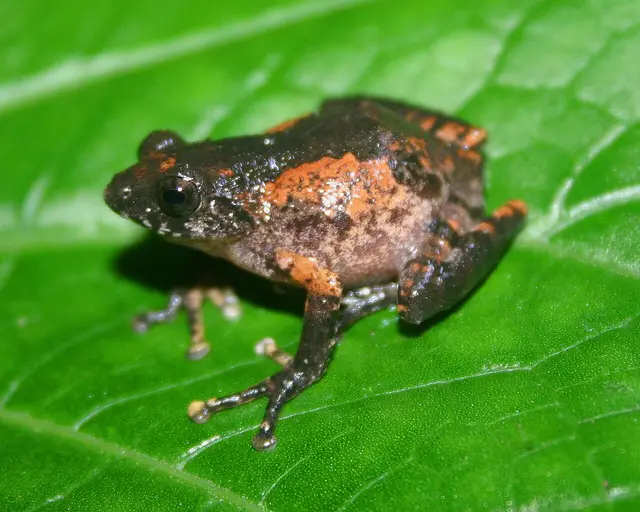
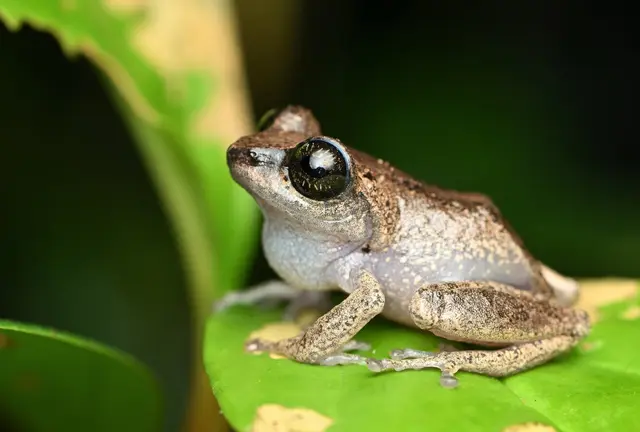
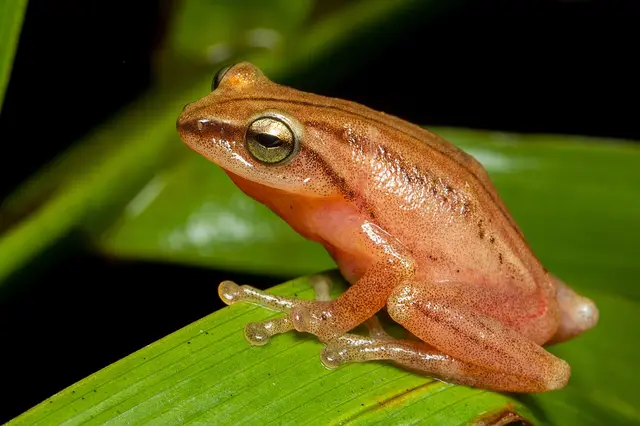
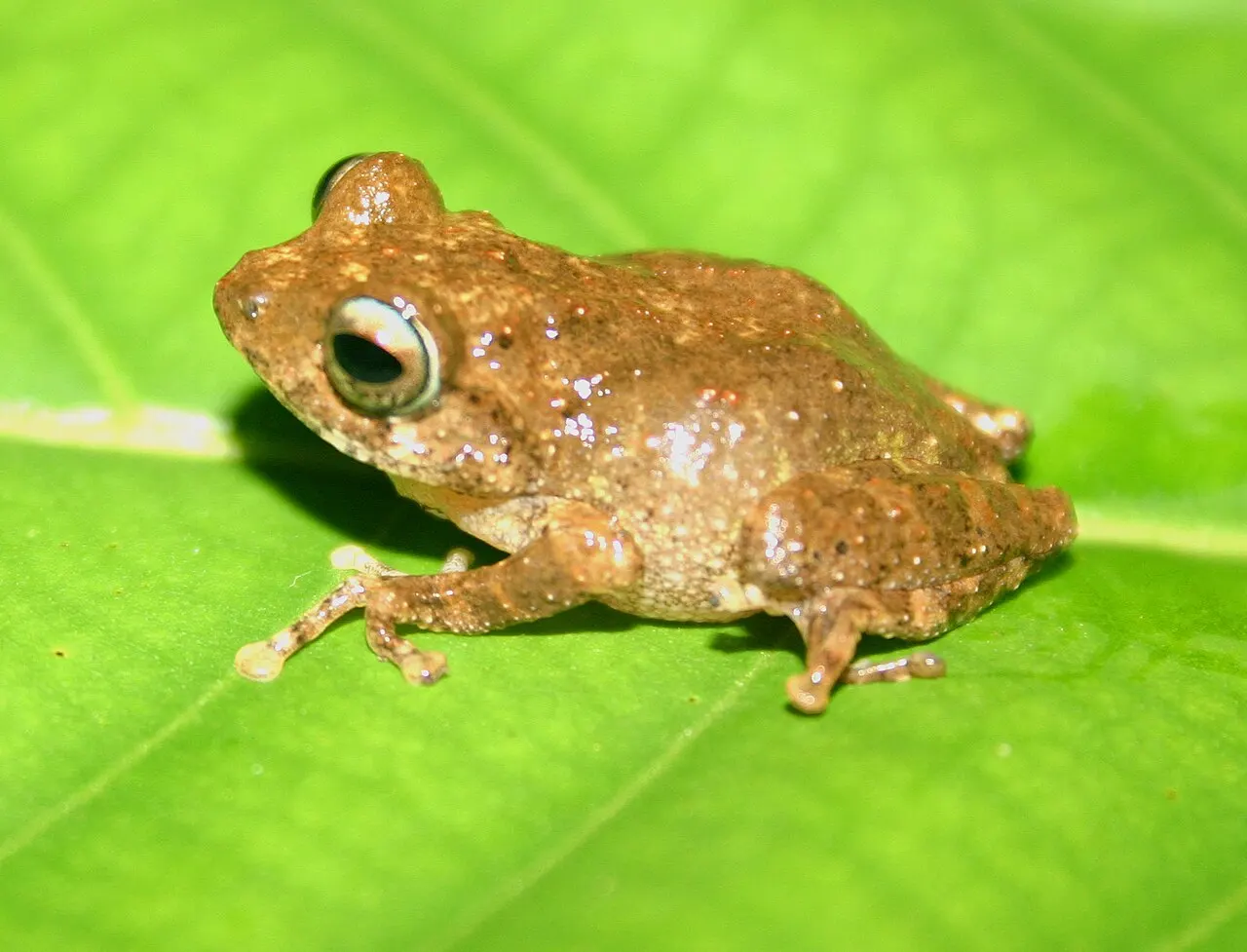
The small bushfrog (Small bushfrog) is a tiny tree frog from the Western Ghats of Kerala, India, first found at Ponmudi and since recorded at two other sites nearby. Males are barely 17 mm long. The IUCN Red List assessed it as Endangered in 2023 because its range is small and its forest habitat is declining.
How to recognise it
This is one of the smaller bush frogs. When it was described in 2009, seven males averaged 16.7 mm from snout to vent, and the single female known at the time measured 20.5 mm. It was first named Philautus chotta by S. D. Biju and Franky Bossuyt, and the genus was later changed to Raorchestes.
Where it lives
The frog was long known only from Ponmudi and the area around it, in Thiruvananthapuram District. It has since been recorded from Shendurney Wildlife Sanctuary in Kollam District and from Bonacaud, and it may occur in Peppara Wildlife Sanctuary.
The IUCN counts three locations between about 600 and 980 m above sea level, with an extent of occurrence of about 130 km2. It lives in moist lowland forest and in plantations, but it seems to need some canopy cover, since it is more common outside tea plantations.
Pins are Wikidata “endemic to” fields. Orange dots, when present, are GBIF occurrence tiles — survey bias included.
How it lives
The original specimens came from tea plant leaves about 1 m off the ground, in an abandoned tea plantation next to patches of disturbed evergreen forest. Males were found by their calls on a rainy night. In later night surveys frogs averaged about 2 m up, and a few were seen on the forest floor by day outside the breeding season. The female was collected from the ground, among dead leaves.
It breeds by direct development, so the eggs hatch into tiny froglets with no free-swimming tadpole stage. The IUCN describes it as common and found in good numbers.
Why it is in trouble
The area it occupies is still declining in extent and quality. The land around Ponmudi is used heavily for tea and areca nut plantations, and the frog has only been recorded from lightly disturbed areas or neighbouring forest. Pesticide use is thought to be a major threat.
Road deaths occur at Ponmudi, and collecting leaf litter and setting fires may also harm it. The chytrid fungus has been found in other frogs of the same genus, so it may be a risk here, but that needs research.
What is being done
Part of its range lies in Ponmudi Reserve Forest, which does not have the highest level of protection, so habitat patches there are not safeguarded. The IUCN calls for better habitat protection and management, plus research on its distribution, natural history and the effects of chytrid, and population monitoring.
The frog was rated Data Deficient in 2012, so its Endangered listing in 2023 reflects better knowledge and a clearer picture of its habitat loss.
Sources
Written for this catalog in our own words from the sources below, checked against them on 12 November 2026. Population figures are estimates and carry the year they were made. Status and assessment year: IUCN. 2026. The IUCN Red List of Threatened Species. Version 2026-1. iucnredlist.org.