Critically Endangered
Pristimantis phoxocephalus
Pristimantis phoxocephalus
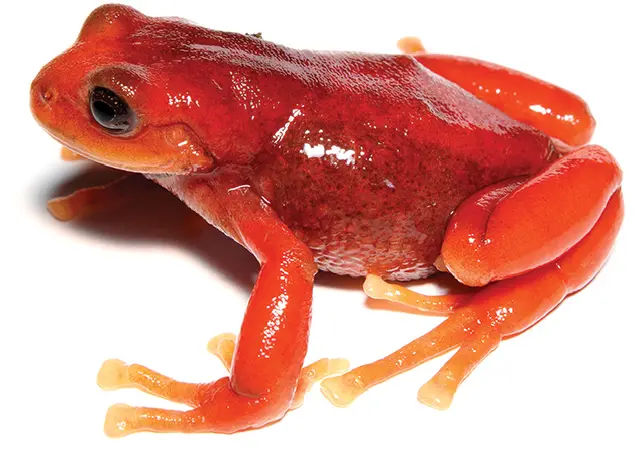
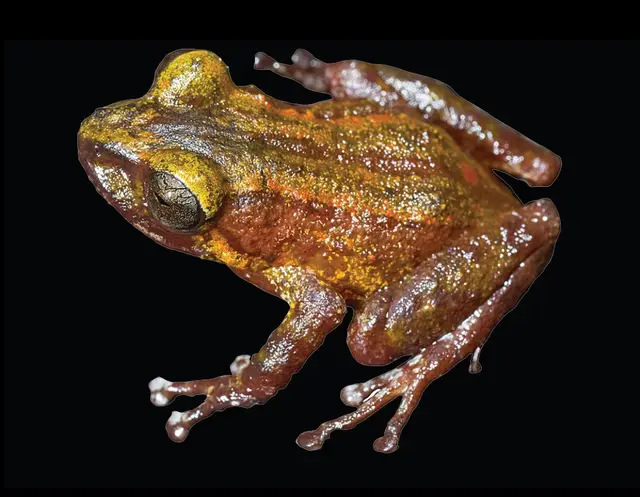
Pristimantis phoxocephalus is a small Andean rain frog from the highlands of Ecuador, with an uncertain record in Peru. It lives in a very small area of montane forest and pasture. The IUCN Red List rated it Critically Endangered in 2022, with a decreasing trend.
How to recognise it
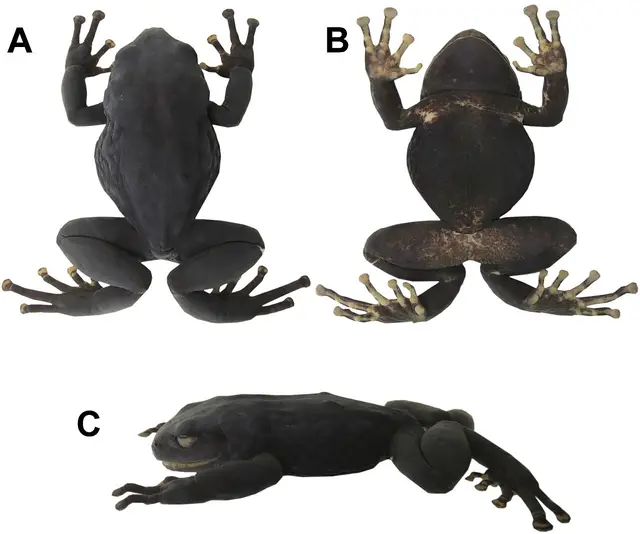
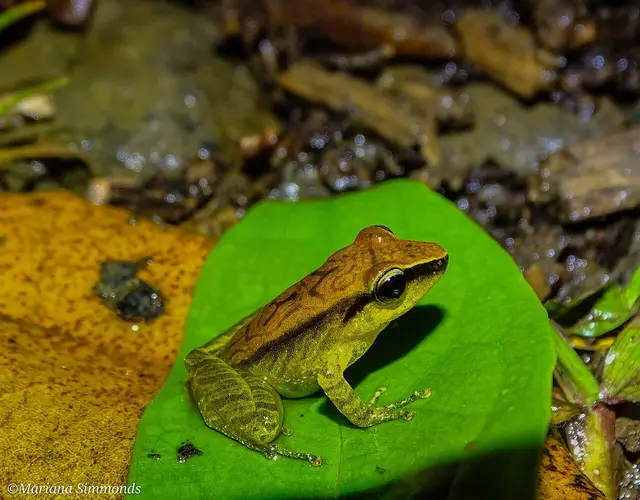
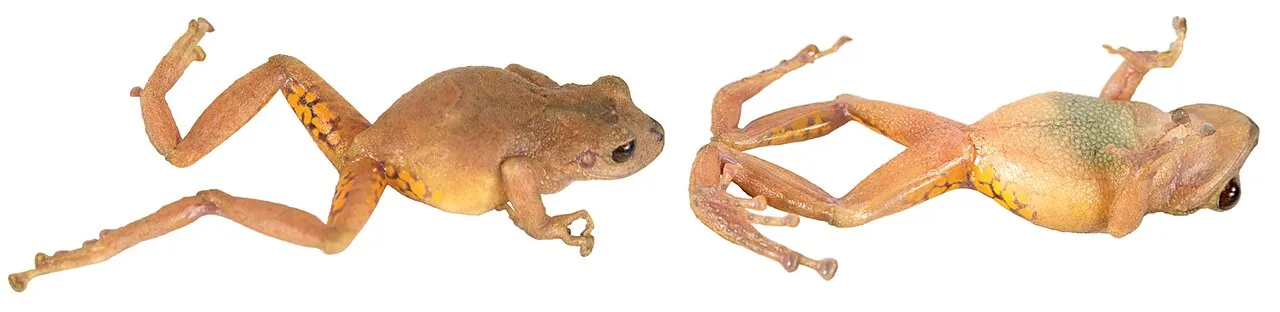
This is a member of Pristimantis, a very large genus of Neotropical rain frogs. Its snout is pointed, with a fleshy keel, a trait it shares with several northern relatives. Its groins and the hidden surfaces of its thighs are yellow with dark brown to black net-like markings.
It belongs to the subgenus Huicundomantis and to the Pristimantis phoxocephalus group, as defined in a 2019 revision by Paez and Ron.
A species that was split
John D. Lynch described it in 1979 as Eleutherodactylus phoxocephalus, from Pilalo in Cotopaxi Province. For years it was treated as one highly variable species stretching from Peru to northwestern Ecuador.
The 2019 study by Paez and Ron showed that many populations filed under the name are separate, undescribed species. A 2021 paper in PLoS One describing a new frog from Loja went further and concluded that the Loja specimens Lynch assigned to this species belong to the new one. The true Cotopaxi species may therefore have a far smaller range than the old name implied.
Where it lives
The 2022 IUCN assessment records the frog as present in Ecuador and of uncertain presence in Peru. It lists one location, an extent of occurrence of only about 10 km2 and an elevation of 2,340 to 2,820 m. Its habitat includes tropical and subtropical moist montane forest and pastureland. It is also reported from high-altitude shrubland, rural gardens and heavily degraded former forest.
Pins are Wikidata “endemic to” fields. Orange dots, when present, are GBIF occurrence tiles — survey bias included.
Why it is in trouble
Land use is the pressure. The assessment names small-holder grazing, ranching and farming, along with housing and urban areas, and records habitat conversion and degradation. It describes the population as decreasing and says habitat continues to decline. The frog was not known to occur in any protected area.
The IUCN lists site and resource and habitat protection as needed actions, but none is recorded as in place for this species.
Sources
Written for this catalog in our own words from the sources below, checked against them on 12 November 2026. Population figures are estimates and carry the year they were made. Status and assessment year: IUCN. 2026. The IUCN Red List of Threatened Species. Version 2026-1. iucnredlist.org.