Endangered
Pristimantis parectatus
Pristimantis parectatus
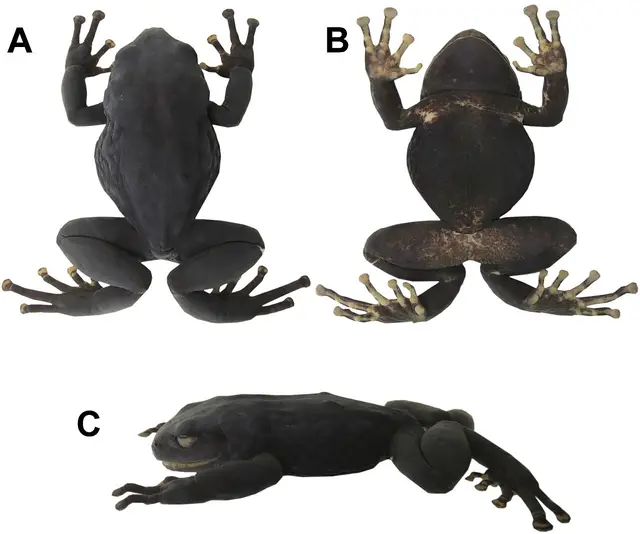
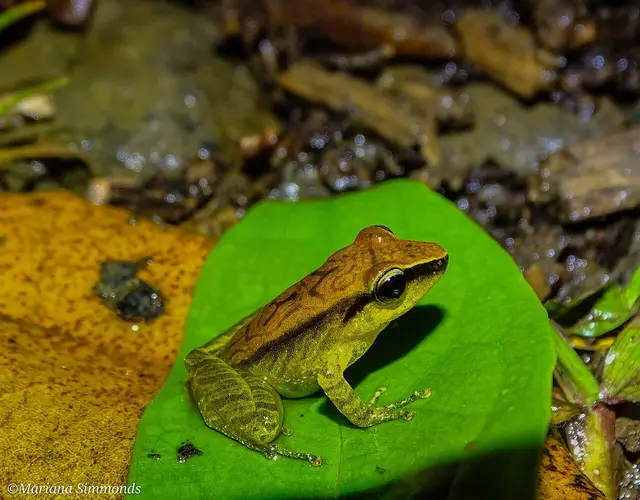
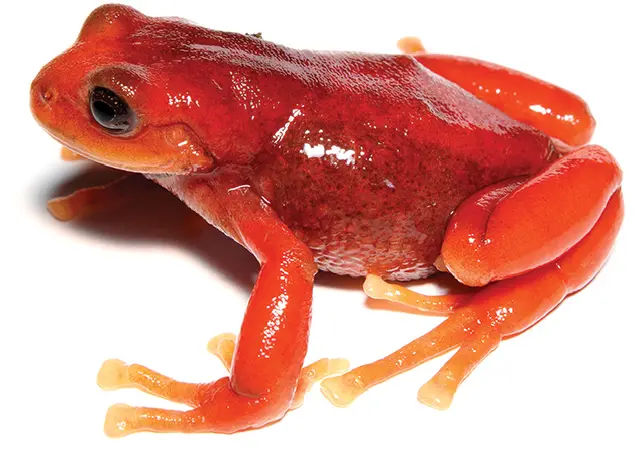
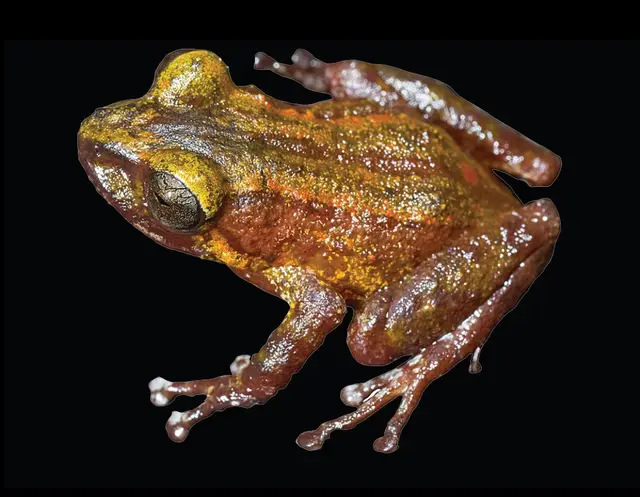
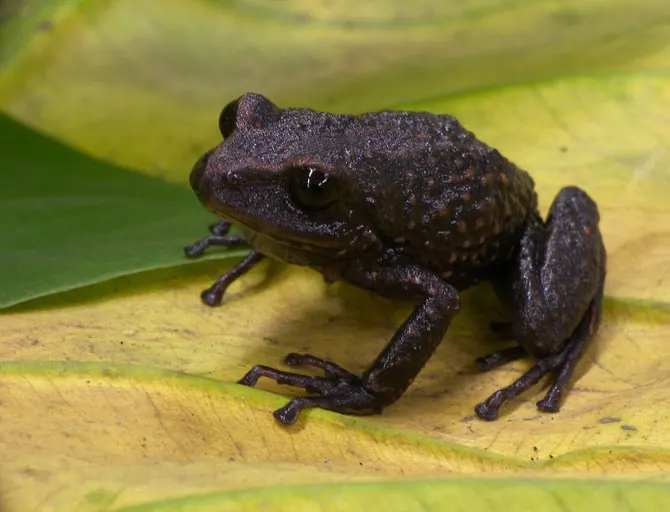
Pristimantis parectatus is a rainfrog from the Andean cloud forests of Antioquia and Caldas in Colombia, found nowhere else. The IUCN Red List lists it as Endangered (2017 assessment), with a decreasing population in a fragmented, shrinking range. It has no widely used English name, and very little has been published about its life.
A little-known rainfrog
Pristimantis is a huge genus. It holds more than 600 described species, more than any other vertebrate genus, and ranges from Honduras to northern Argentina and southern Brazil. This species was named in 1998 by John Lynch and José Vicente Rueda-Almonacid as Eleutherodactylus parectatus, and it was later moved to Pristimantis.
Beyond the original naming, little has been published that is easy to find on its appearance, calls or breeding, so those details are left out here. The Red List gives its only common name, a Spanish one, Rana Diminuta.
Where it lives
It is endemic to Colombia, on the eastern flank of the northern Cordillera Central, in the departments of Antioquia and Caldas. The Red List gives an elevation range of 1,700 to 3,100 m and an extent of occurrence of about 4,600 square km. Other compilations give 1,800 to 2,850 m. Its habitat is Andean cloud forest, and the Red List adds high-altitude grassland.
The Global Biodiversity Information Facility holds 145 records from 1981 to 2024. About half of them (77) come from the municipality of Sonsón in Antioquia, with others from Pensilvania and Aguadas in Caldas and from Belmira and Santa Rosa de Osos in Antioquia. Three records are from Calarcá in Quindío, outside the two departments named in the species' range.
The citizen-science site iNaturalist listed only 16 observations in 2026, a sign of how rarely it is photographed.
Pins are Wikidata “endemic to” fields. Orange dots, when present, are GBIF occurrence tiles — survey bias included.
Why it is in trouble
The Red List describes the population as severely fragmented, declining, and occupying a shrinking area. Its threats are small-scale farming and small-scale grazing and ranching, which convert forest to crops and pasture.
The species was assessed as Endangered in 2017 under criterion B1ab(iii), which applies to a small range, a fragmented population and an ongoing decline in habitat. No population size is given.
What is being done
The Red List records that the frog occurs in at least one protected area, and lists site and area protection and resource and habitat protection as conservation actions. It reports no recovery plan or breeding programme. An earlier assessment in 2004 also rated the species Endangered.
Sources
Written for this catalog in our own words from the sources below, checked against them on 12 November 2026. Population figures are estimates and carry the year they were made. Status and assessment year: IUCN. 2026. The IUCN Red List of Threatened Species. Version 2026-1. iucnredlist.org.