Critically Endangered
Oedipina tomasi
Oedipina tomasi
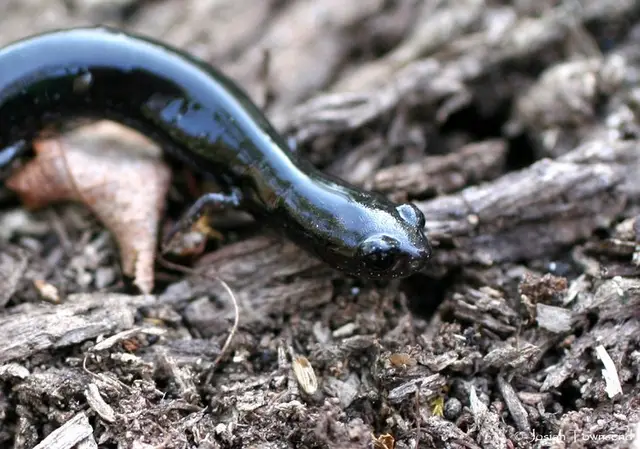
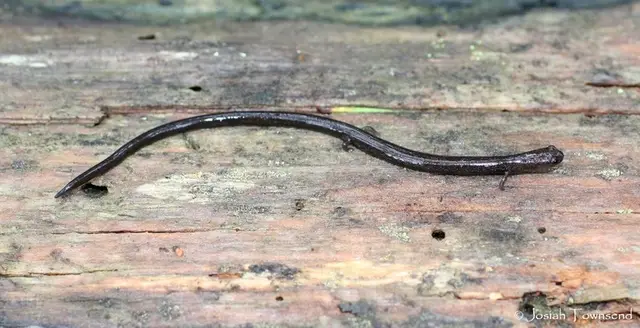
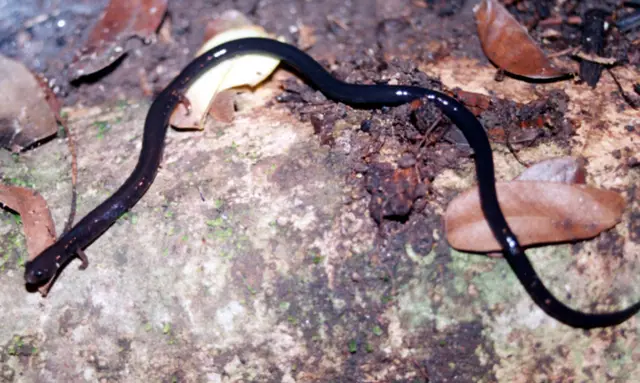
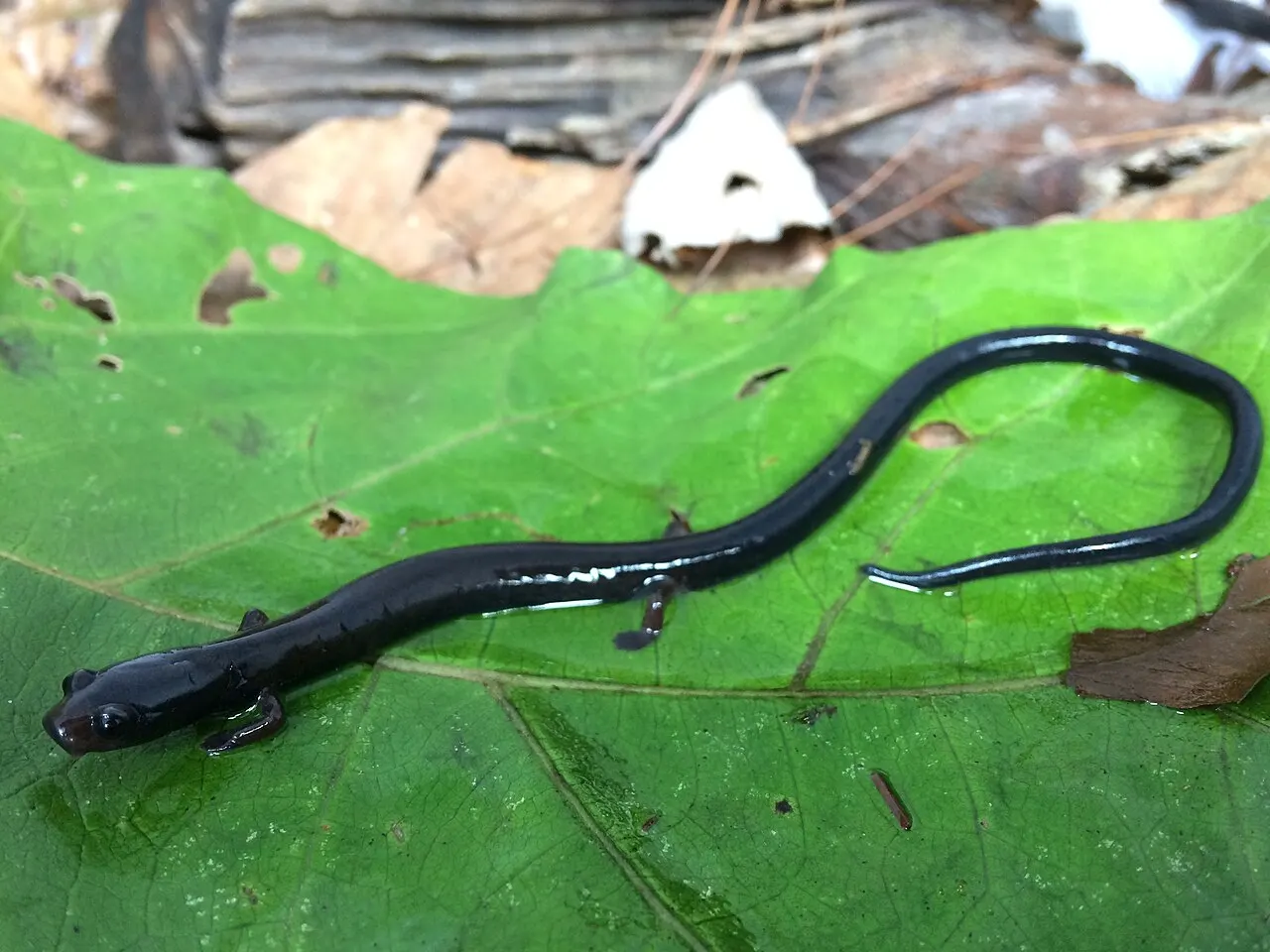
Oedipina tomasi is a slender salamander known only from Cusuco National Park, a montane forest reserve in northwestern Honduras. It was described in 2006 from very few animals. The IUCN Red List rated it Critically Endangered in 2019, with a decreasing population.
How to recognise it
This is a dark, almost black salamander with small pale flecks along the back, and a notably long, slender body. One specimen measured 57.5 mm from snout to vent. The original description rested on just one male and one female, and the male was reportedly the smaller, though that is a very small sample.
Where it lives
The species is known only from Cusuco National Park in the Merendon mountains. The IUCN gives an extent of occurrence of about 37 km2, a single location and an elevation range of 1,500 to 1,800 m, while another account reports it only between 1,780 and 1,800 m. The animals have turned up in wet sand on the banks of the Cusuco River.
James R. McCranie described it in 2006 in the Journal of Herpetology. The name honours Tomas, an assistant who worked through the long expedition that found it.
Pins are Wikidata “endemic to” fields. Orange dots, when present, are GBIF occurrence tiles — survey bias included.
How it lives
Almost nothing has been published on its diet or breeding. A 2018 survey of defensive behaviour among the park's salamanders recorded body-flipping in this species: when disturbed it flips its body in erratic movements, which makes its escape hard to predict, and it may then go suddenly still and rely on its dark colour to avoid notice. The same survey recorded evidence of tail loss.
Very few animals have ever been seen in the wild, so it is hard to say how common it is.
Why it is in trouble
The salamander lives in a single, shrinking patch of forest. A 2021 review in the Journal of Mesoamerican Biology found that Cusuco, a 23,440 ha reserve, has lost 1,759 ha of forest since 2000, about 7% of its forest area, and that 70% of its amphibian species are threatened or near-threatened. The IUCN lists shifting and small-holder agriculture, pesticides and herbicides, roads, housing, drought, storms and increased fire among the threats to this species. A very small population is also reported to risk losing genetic diversity.
What is being done
The species occurs inside a national park, and the IUCN lists site and area management, awareness work and captive breeding among the actions relevant to it. The 2021 review noted ranger patrols, captive-breeding programmes and ecotourism in the park, but concluded that degradation continues and called for more patrols, community engagement and alternative livelihoods.
Sources
Written for this catalog in our own words from the sources below, checked against them on 12 November 2026. Population figures are estimates and carry the year they were made. Status and assessment year: IUCN. 2026. The IUCN Red List of Threatened Species. Version 2026-1. iucnredlist.org.
- IUCN Red List assessment, Oedipina tomasi (2019)
- IUCN Red List API record for the assessment
- Oedipina tomasi (encyclopedia entry)
- Arrivillaga and Brown, defence mechanisms of Neotropical salamanders in Cusuco, IRCF Reptiles and Amphibians 25(2), 2018
- Martin and colleagues, review of the ecological value of Cusuco National Park, Journal of Mesoamerican Biology 1(1), 2021