Endangered
Oedipina taylori
Oedipina taylori
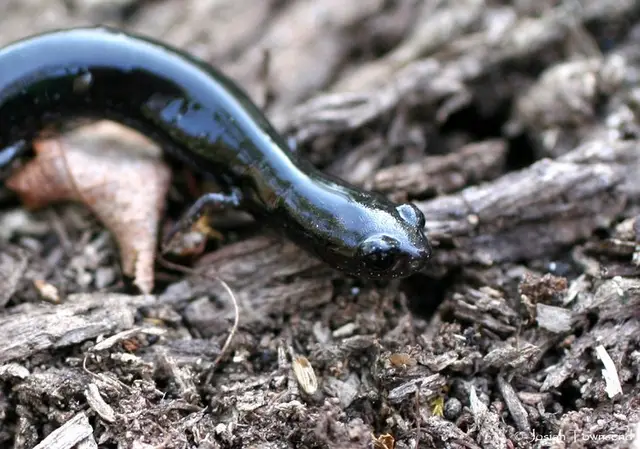
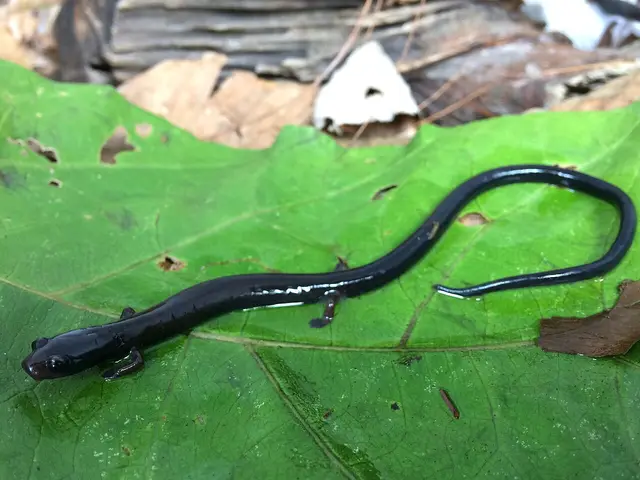
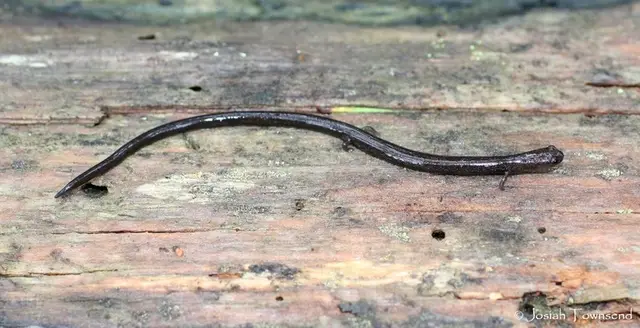
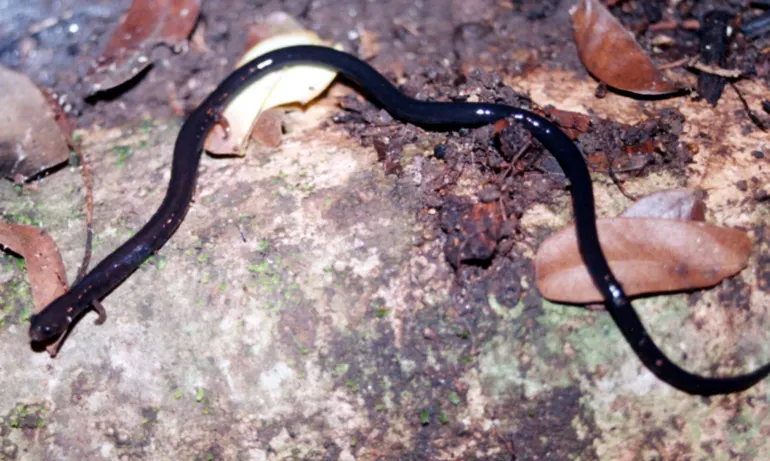
Taylor's worm salamander (Oedipina taylori) is a long, thin, short-legged salamander from the Pacific side of southeastern Guatemala, El Salvador and southern Honduras. The IUCN Red List lists it as Endangered (assessment published 2021) because the forests it lives in keep shrinking, and its total numbers are unknown.
How to recognise it
Worm salamanders earn the name. The genus Oedipina has extremely slender bodies, tiny limbs and very long tails, and the species look so alike that telling them apart is hard even for specialists. Most are grey to brown.
Taylor's worm salamander was described in 1952 from a single male with a body length of 55 millimetres (about 2.2 inches), not counting a tail that was incomplete but presumably several times longer. That first animal was a gun-metal blue colour, with short limbs and partly webbed hands and feet. Compared with the similar Oedipina alfaroi, it has less webbing on the toes and fewer teeth on the roof of the mouth. It was named for the American herpetologist Edward Harrison Taylor.
Where it lives
The species is known from the Pacific slope of southeastern Guatemala, central and northeastern El Salvador, and the adjoining part of southern Honduras. The Honduran record is thin: a 2013 paper in Revista de Biodiversidad Neotropical noted that only one Honduran record had been published, from the department of Francisco Morazan, and the Honduran animals may reportedly belong to a different species.
It is a forest animal, found from lowland to mid-altitude woods. The IUCN gives an elevation range of about 100 to 1,275 metres. Earlier literature listed 140 to 1,140 metres, but Salvadoran surveyors found one at 25 metres in the Walter Thilo Deininger park and another at 1,275 metres in El Imposible National Park, stretching the known range both ways. The IUCN estimates its extent of occurrence at only about 229 square kilometres and counts it from 2 to 5 locations.
Pins are Wikidata “endemic to” fields. Orange dots, when present, are GBIF occurrence tiles — survey bias included.
How it lives
Almost nothing has been published about its diet, breeding or lifespan. What is known comes from where people have stumbled across it. The first specimen was under a rotting log in open forest. Recent Salvadoran finds, made in the evening, were under bark on a fallen tree, under a rotting log beside a farm trail, and inside a small cave in a bank.
It also lives in disturbed places. Earlier records place it in coffee plantations and in urban areas, and the IUCN lists urban areas among its habitats, so it seems able to cope with some change.
Why it is in trouble
The IUCN lists small-holder farming and grazing, and housing and urban growth, as the main pressures, all of which convert or degrade forest, and it records a continuing decline in the area it occupies.
In El Salvador the species is on the national list of threatened wildlife. The 2013 paper attributes that to habitat loss and a common belief that the salamander is a snake, which leads people to kill it. The IUCN also lists unintended effects of small-scale harvest as a threat. No population size has been estimated, and the trend is recorded as unknown.
What is being done
The species occurs in at least one protected area. Salvadoran records come from the Rio Sapo protected area, Walter Thilo Deininger park and El Imposible National Park. The IUCN lists site protection, habitat protection and site management as conservation actions. No dedicated recovery programme is described, and basic surveys of its numbers are still missing.
Sources
Written for this catalog in our own words from the sources below, checked against them on 12 November 2026. Population figures are estimates and carry the year they were made. Status and assessment year: IUCN. 2026. The IUCN Red List of Threatened Species. Version 2026-1. iucnredlist.org.