Endangered
Oaxaca Giant Deer Mouse
Megadontomys cryophilus
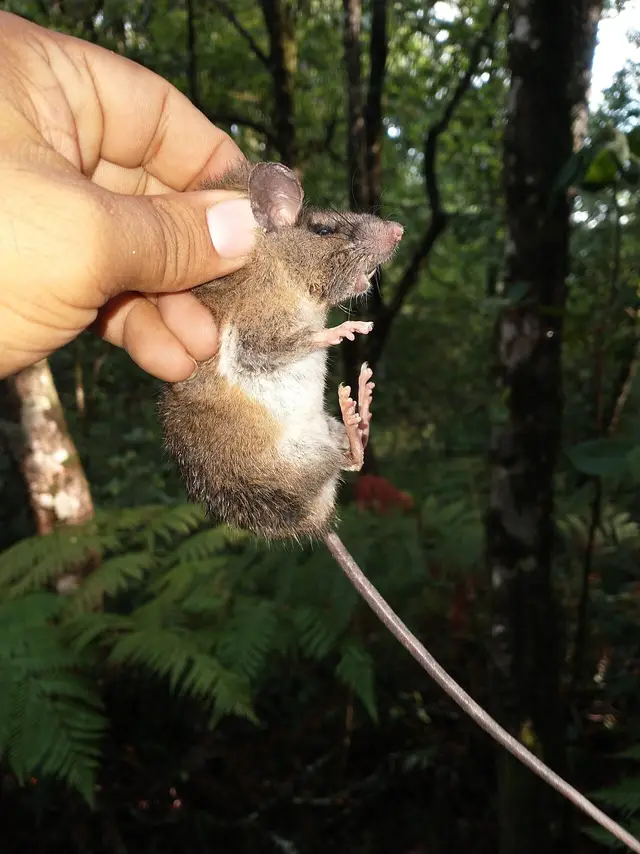
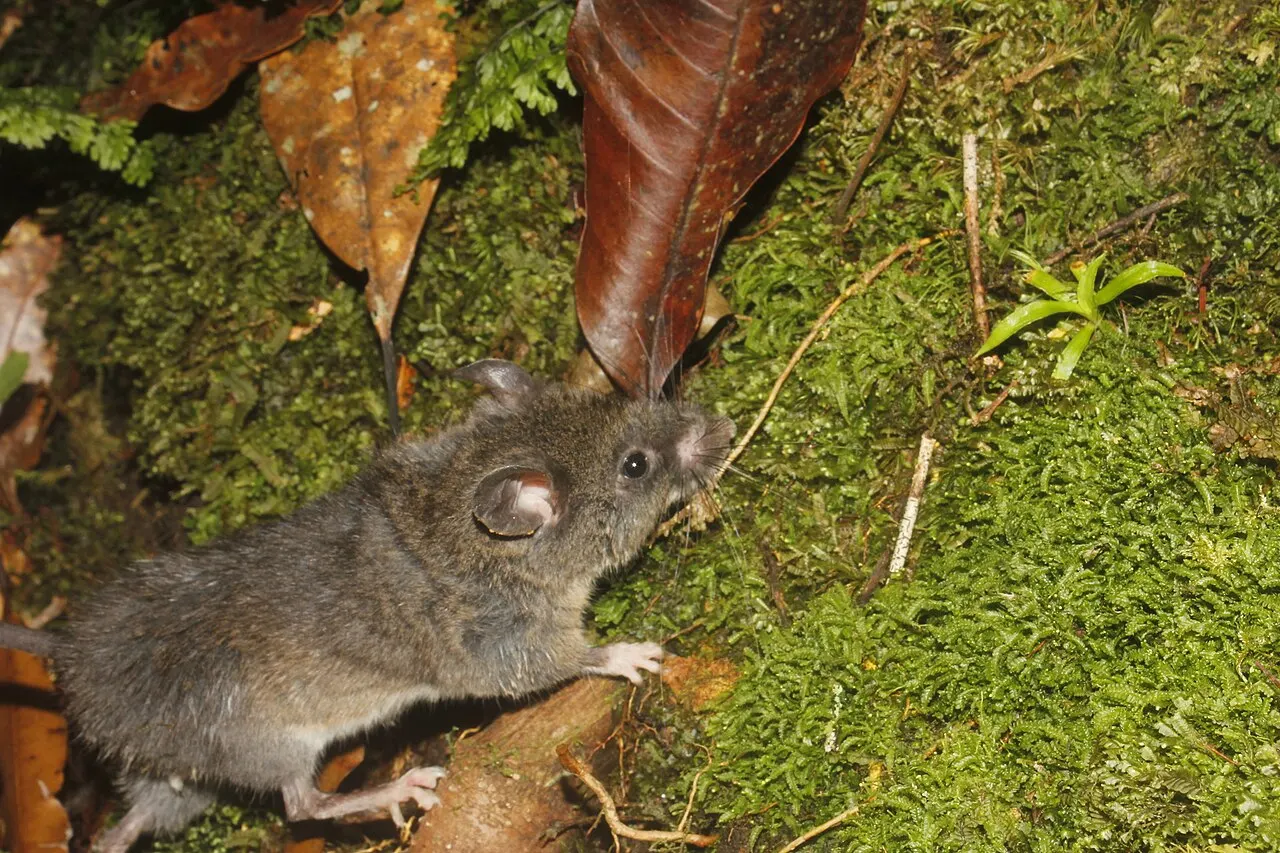
The Oaxaca giant deer mouse (Megadontomys cryophilus) is a rodent found only in the cloud and pine-oak forests of the Sierra de Juárez, in northern Oaxaca, Mexico. The IUCN Red List rated it Endangered in 2018, with a decreasing population and just one location.
What kind of animal it is
It belongs to the New World rodent family Cricetidae and to Megadontomys, a small genus of large-bodied deer mice. Two other species sit in the same genus, Nelson's giant deer mouse and Thomas's giant deer mouse. Each lives in different Mexican mountains.
The mouse was described in 1964 by Musser, who treated it as a subspecies of Thomas's giant deer mouse, then placed in the genus Peromyscus. In 1989 Carleton raised it to a full species, citing anatomical differences and genetic differences reported in 1987 by Werbitsky and Kilpatrick.
Where it lives
The type specimen came from the south slope of Cerro Pelón, in the Ixtlán district, at about 2,800 m above sea level. The IUCN assessment gives an overall elevation range of 2,400 to 3,500 m and lists the habitat as subtropical or tropical moist montane forest. Other references describe it in cloud forest and pine-oak forest.
Elevational surveys published in 2001 widened the area of Oaxaca where the mouse is known. It is endemic to Mexico, and the IUCN lists Oaxaca as the only state where it occurs.
Pins are Wikidata “endemic to” fields. Orange dots, when present, are GBIF occurrence tiles — survey bias included.
Why it is in trouble
The Red List treats the whole population as sitting in one location, which means a single event such as habitat damage could affect all of it. The assessment records a continuing decline in the area the species occupies and a decreasing population, with ecosystem degradation as the only stress listed. The Endangered rating rests on that restricted range, the single location and the ongoing habitat decline.
Its status has not improved over time. It was rated Lower Risk (near threatened) in 1996, then Endangered in 2008 and again in 2018.
What is being done
The 2018 assessment lists no specific conservation actions for the species, and records the status of a recovery plan and of any monitoring scheme as unknown.
Sources
Written for this catalog in our own words from the sources below, checked against them on 12 November 2026. Population figures are estimates and carry the year they were made. Status and assessment year: IUCN. 2026. The IUCN Red List of Threatened Species. Version 2026-1. iucnredlist.org.