Endangered
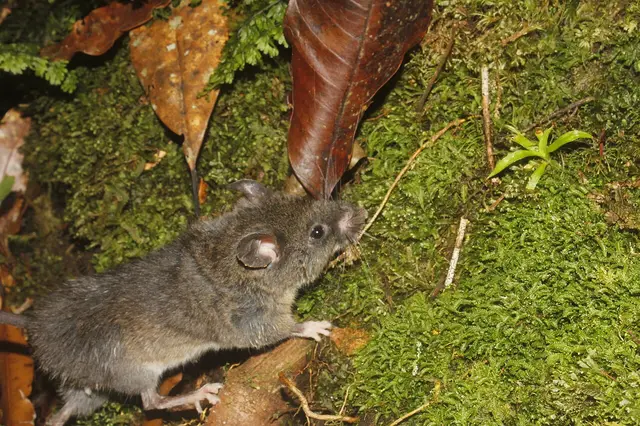
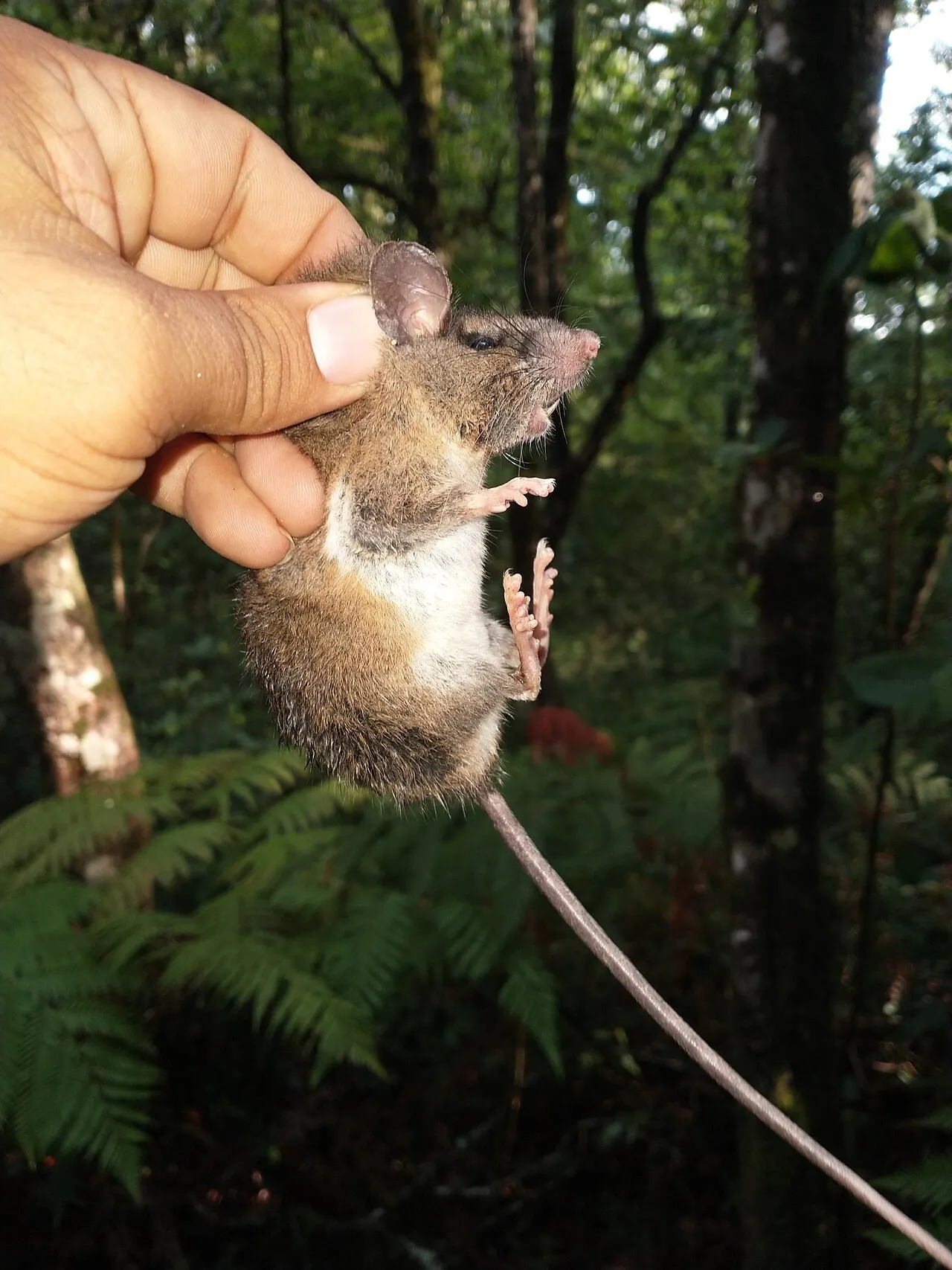
Nelson's Giant Deer Mouse
Megadontomys nelsoni
Nelson's giant deer mouse (Megadontomys nelsoni) is a rodent found only in Mexico, in moist mountain forest at about 2,000 to 3,500 metres. The IUCN Red List assessed it as Endangered in 2018 because its small range is fragmented and its forest is shrinking.
Naming and relatives
American zoologist Clinton Hart Merriam described the animal in 1898, originally as a subgenus of Peromyscus. The type specimen came from Jico in Veracruz, Mexico, at around 1,830 metres. It is also called Nelson's big-toothed deermouse.
It belongs to the family Cricetidae. Classifications differ on its closest relatives. Some place the Oaxaca giant deer mouse (Megadontomys cryophilus) and Thomas's giant deer mouse (Megadontomys thomasi) in the same genus, while the Mammal Diversity Database lists it as the only species in Megadontomys.
Where it lives
The species lives nowhere outside Mexico, and it is a forest specialist of the cool, high country. The Mammal Diversity Database places it on the eastern slopes of the Sierra Madre Oriental, from southeastern Hidalgo to central Veracruz. The IUCN simply lists Mexico as its range country, so the exact limits are not fully settled.
Its habitat is subtropical or tropical moist montane forest. The IUCN records an elevation range of 2,000 to 3,500 metres, an extent of occurrence of about 34,238 square kilometres, and an area of occupancy of only about 112 square kilometres. It counts three locations and describes the population as severely fragmented.
Pins are Wikidata “endemic to” fields. Orange dots, when present, are GBIF occurrence tiles — survey bias included.
Why it is in trouble
The Endangered listing rests on criteria B2ab(iii), which covers a small, fragmented area of occupancy and a continuing decline in habitat quality. The IUCN reports a continuing decline in area, a decreasing population trend, and ongoing conversion and degradation of its forest. The recorded threats are rated low impact, with their scale and cause unrecorded.
What is being done
The IUCN assessment lists no specific conservation actions, and whether a recovery plan or monitoring scheme exists is recorded as unknown. The assessment also records no use or trade. With so little published about its diet, breeding or numbers, protection is hard to plan.
Sources
Written for this catalog in our own words from the sources below, checked against them on 12 November 2026. Population figures are estimates and carry the year they were made. Status and assessment year: IUCN. 2026. The IUCN Red List of Threatened Species. Version 2026-1. iucnredlist.org.