Endangered
Minnow-nase
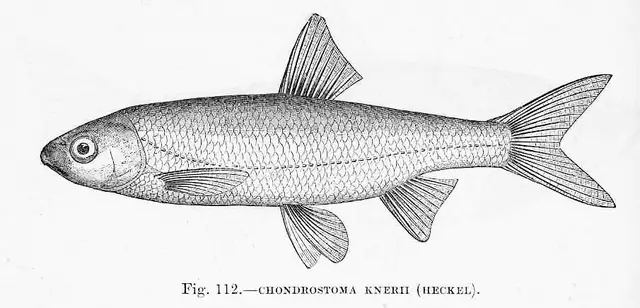
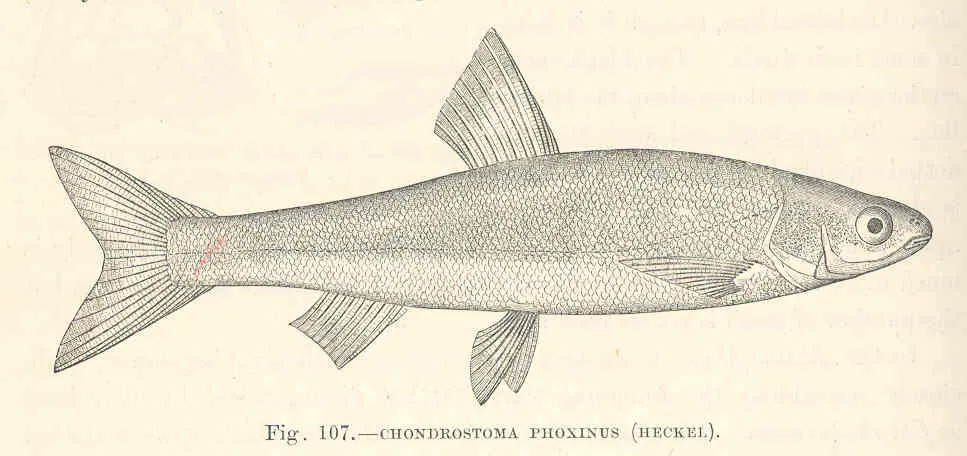
Chondrostoma phoxinus
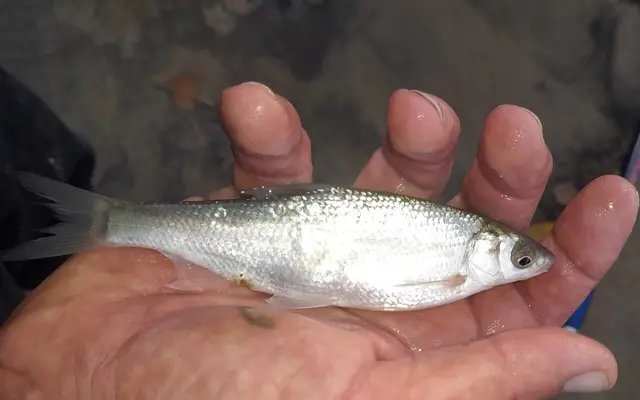
The minnow-nase (Chondrostoma phoxinus) is a small freshwater fish of karst waters, living in the Cetina river system in Croatia and the karst plains of western Bosnia and Herzegovina. The IUCN Red List rated it Endangered in 2024, with a small known range and invasive fish among its threats.
How to recognise it
It is a slim, elongated member of the minnow family, reaching about 15.5 cm in standard length. The mouth is arched, and the lower lip carries a very thin horny sheath, a trait shared by the nases. The genus name Chondrostoma, from Greek roots for cartilage and mouth, refers to it. It has 78 to 106 scales along the lateral line.
Johann Jakob Heckel described the species in 1843.
Where it lives
Its known range is small: the Cetina drainage in Croatia, and the Glamoč, Livno and Duvno poljes (large flat karst plains) in Bosnia and Herzegovina. The largest population is in Lake Buško, in Bosnia and Herzegovina.
It uses a wide mix of waters. The IUCN lists permanent and seasonal streams, karst underground water, springs, freshwater lakes and reservoirs. FishBase adds that it can colonise shallow still pools such as clay pits, enters subterranean waters, and is abundant in lakes.
Pins are Wikidata “endemic to” fields. Orange dots, when present, are GBIF occurrence tiles — survey bias included.
How it lives
It spawns on submerged plants. The IUCN flags it as congregatory year-round and not migratory. Estimates suggest it takes 1.4 to 4.4 years for a population to double, a medium resilience.
Why it is in trouble
The IUCN assessment counts 5 locations and says the area it occupies continues to shrink. Listed threats include introduced fish: wels catfish, zander, pumpkinseed, stone moroko, common carp, Prussian carp, tench and rainbow trout. Dams, water pumping, farm chemicals, sewage, nutrient pollution and silt add to the strain.
FishBase reports that wels catfish was recently introduced to Lake Buško, the species' stronghold, and that populations fell sharply in the twentieth century through habitat destruction and pollution.
What is being done
Conservation sites cover part of its range and it occurs in at least one protected area. There is no recovery plan, no monitoring scheme, no invasive-species control and no captive population.
Sources
Written for this catalog in our own words from the sources below, checked against them on 12 November 2026. Population figures are estimates and carry the year they were made. Status and assessment year: IUCN. 2026. The IUCN Red List of Threatened Species. Version 2026-1. iucnredlist.org.