Endangered
Thampi's torrent frog
Thampi's torrent frog
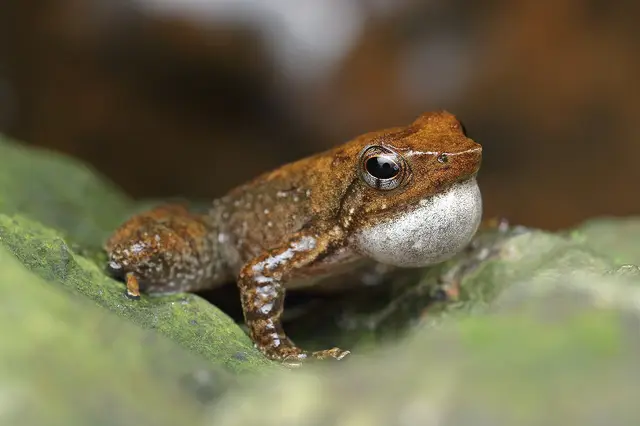
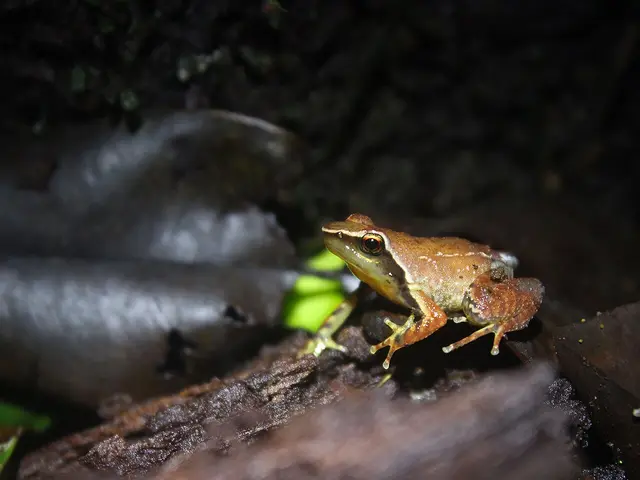
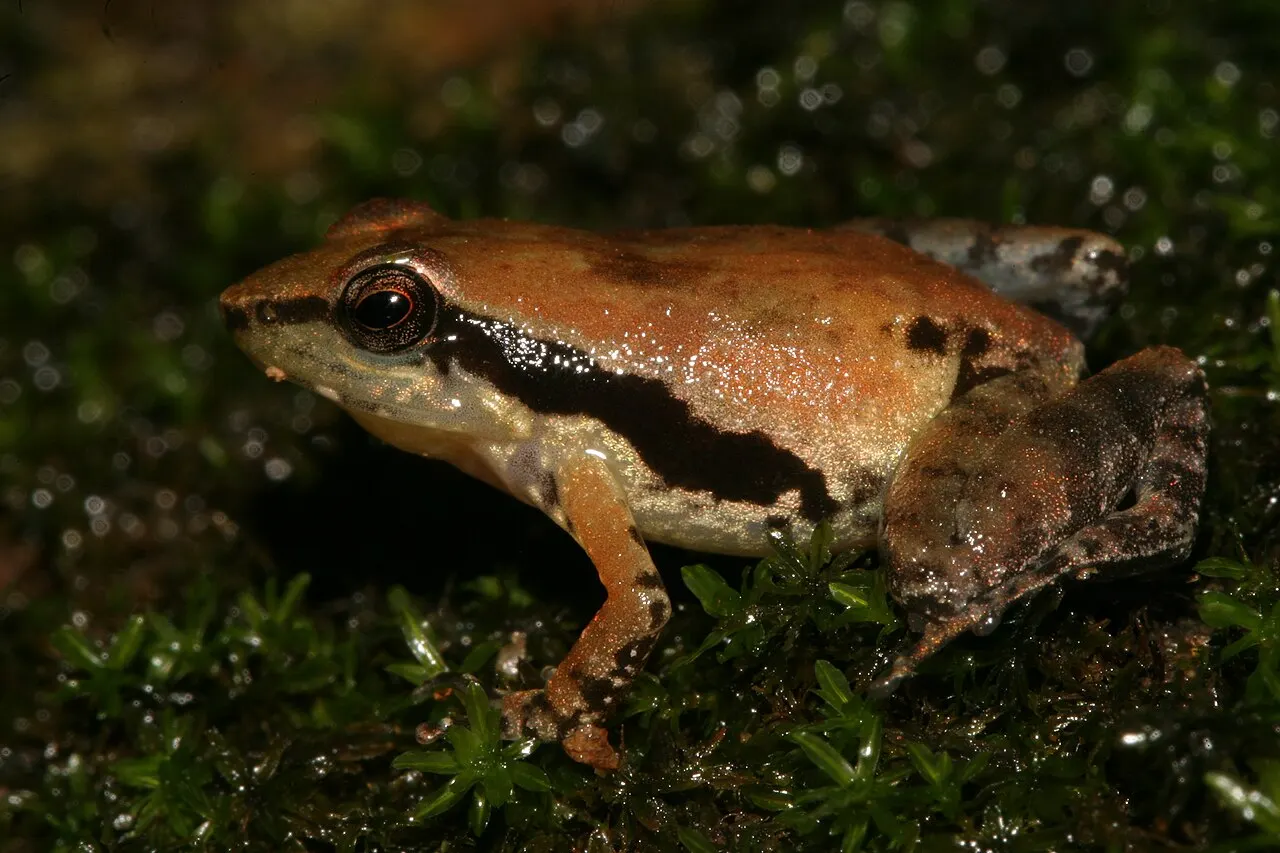
Thampi's torrent frog, the Silent Valley dancing frog or Thampi's torrent frog, is a stream frog of the forests of Kerala in the Western Ghats of India. The IUCN Red List rated it Endangered in 2023, after earlier listing it as Data Deficient. Its range is small and its streams are under pressure.
What it is
The species belongs to the family Micrixalidae, the dancing frogs, which live only in the Western Ghats. Pillai described it in 1981 in the Bulletin of the Zoological Survey of India, in a paper on two new amphibians from Silent Valley, in Palakkad district of Kerala.
Little was published on it after the original description. A 2014 study in the Ceylon Journal of Science used DNA from 138 tissue samples collected at 70 localities across the family. It gave the first accounts of M. thampii and two relatives since their original descriptions, and also described 14 new species.
Where it lives
It is endemic to the Western Ghats, and the IUCN lists only Kerala. It occurs at 700 to 1,200 m above sea level in moist lowland forest and around permanent rivers and streams. The IUCN counts 2 to 5 locations within an extent of about 844 square kilometres, and does not consider the population severely fragmented.
Some accounts record it only from Silent Valley National Park. The IUCN's 2023 assessment treats the range as wider, records that conservation sites have been identified across the whole range, and notes that the species occurs in at least one protected area.
Pins are Wikidata “endemic to” fields. Orange dots, when present, are GBIF occurrence tiles — survey bias included.
How it lives
Dancing frogs are named for foot flagging, in which males tap, extend and shake a hind foot at rivals and mates. The 2014 study reported it in eight species of the genus, and it has been seen in many but not all of them. Records of it in M. thampii itself are scarce.
Across the genus, males call from spots near running water, a pair mates in the water, and the female digs a chamber in the streambed, lays eggs there and covers them with sand and gravel. Detailed breeding records for M. thampii itself are scarce.
Why it is in trouble
The IUCN reports a decreasing population and a continuing decline in habitat area. The ongoing pressures it lists are herbicides and pesticides, agricultural farming, small dams, taking of stream water for farming, sewage and garbage. Changes to habitat are listed as a future threat.
A frog that breeds in the streambed depends on clean, flowing water, so pollution and diverted flow hit it directly.
What is being done
The IUCN lists protection of resources and habitat, and policy and regulation, as the actions needed. Earlier, in 2004, the species was rated Data Deficient.
Sources
Written for this catalog in our own words from the sources below, checked against them on 12 November 2026. Population figures are estimates and carry the year they were made. Status and assessment year: IUCN. 2026. The IUCN Red List of Threatened Species. Version 2026-1. iucnredlist.org.