Endangered
AEECL's sportive lemur
Lepilemur aeeclis
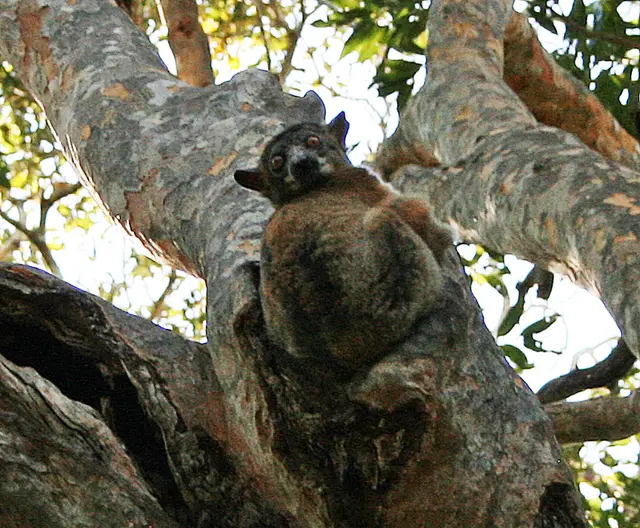
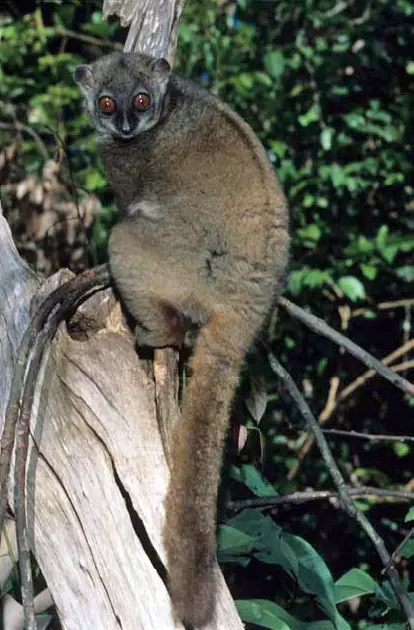
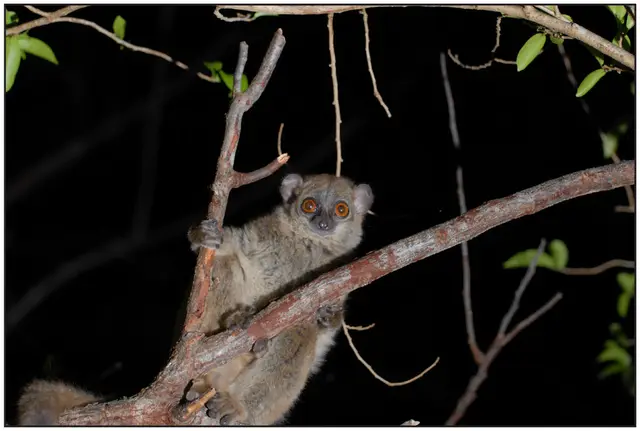
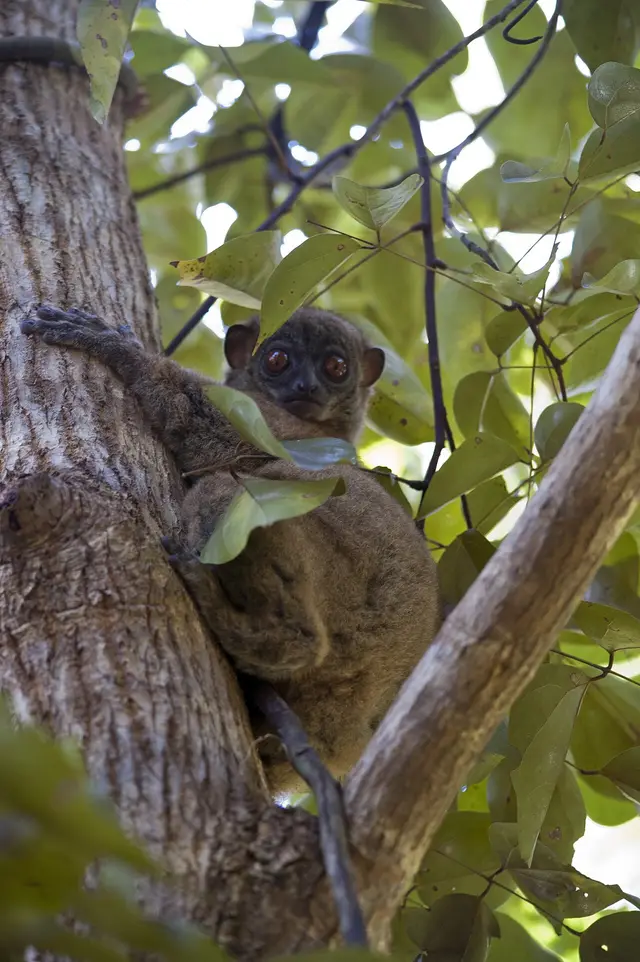
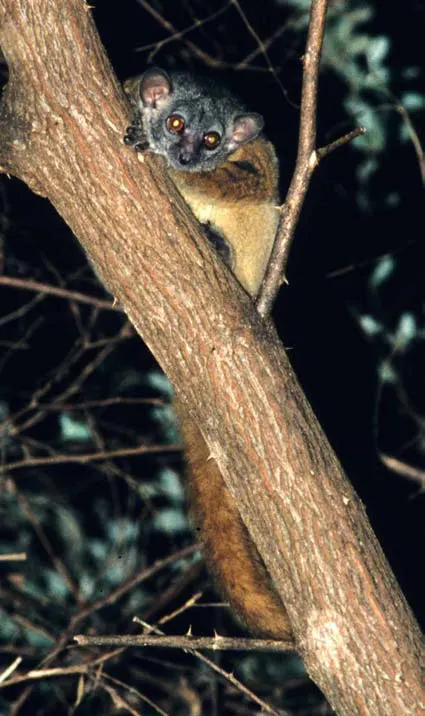
The Antafia sportive lemur, also called AEECL's or the red-shouldered sportive lemur (Lepilemur aeeclis), is a small lemur of the dry forests of western Madagascar. The IUCN Red List rated it Endangered in 2020 and counts its known range as a single location.
How to recognise it
It's a medium-sized sportive lemur, about 52 to 59 cm in total length, of which the tail is 24 to 26 cm. Five animals measured in a 2007 genetic and body-measurement study weighed about 795 g on average, with tails around 26 cm.
Its name is unusual. It honours the Association Europeenne pour l'Etude et la Conservation des Lemuriens (AEECL), which supported the research team that found it for twelve years, and it's rare for a species name to be built from an acronym.
Where it lives
The species is endemic to Madagascar and lives in dry deciduous forest in the west. Its type locality is Antafia, on the northeast side of the Mahavavy du Sud River in Mahajanga Province.
The IUCN assessment gives one location, with the population severely fragmented, at low elevation between 12 and 63 m. Genetic samples assigned to the species have also come from Madirovalo, Anjamena and Antafia-Anjahamana. The name first appeared in a 2006 paper but did not meet the naming rules, and a 2017 paper made it valid.
Pins are Wikidata “endemic to” fields. Orange dots, when present, are GBIF occurrence tiles — survey bias included.
Why it is in trouble
The IUCN names shifting agriculture, where forest is cleared for fields, as the threat, converting and degrading its habitat. It records continuing decline in the population, its area and its habitat, and notes that it is used as food by local people. Sportive lemurs in general have small ranges, and the 2007 study warned that such species need conservation action to avoid extinction.
What is being done
The assessment says the species occurs in at least one protected area and that conservation sites have been identified over its whole range. It is included in international legislation and trade controls, and is reportedly listed in CITES Appendix I.
Sources
Written for this catalog in our own words from the sources below, checked against them on 12 November 2026. Population figures are estimates and carry the year they were made. Status and assessment year: IUCN. 2026. The IUCN Red List of Threatened Species. Version 2026-1. iucnredlist.org.