Endangered
Spiculate toad
Spiculate toad
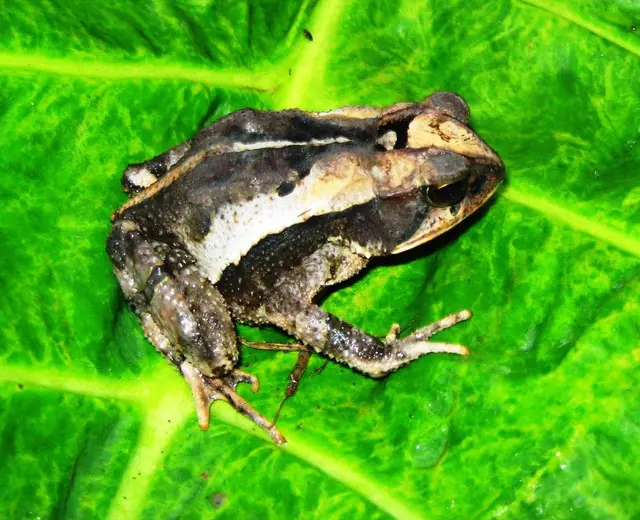
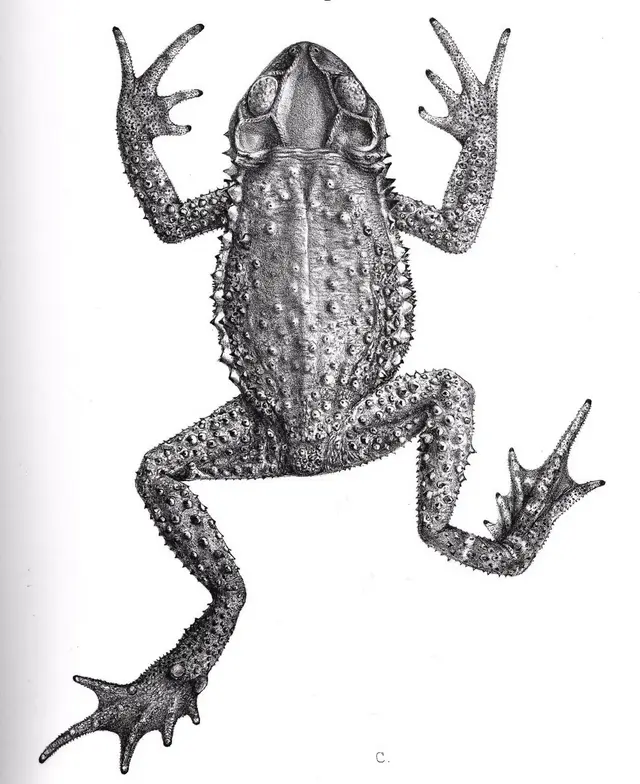
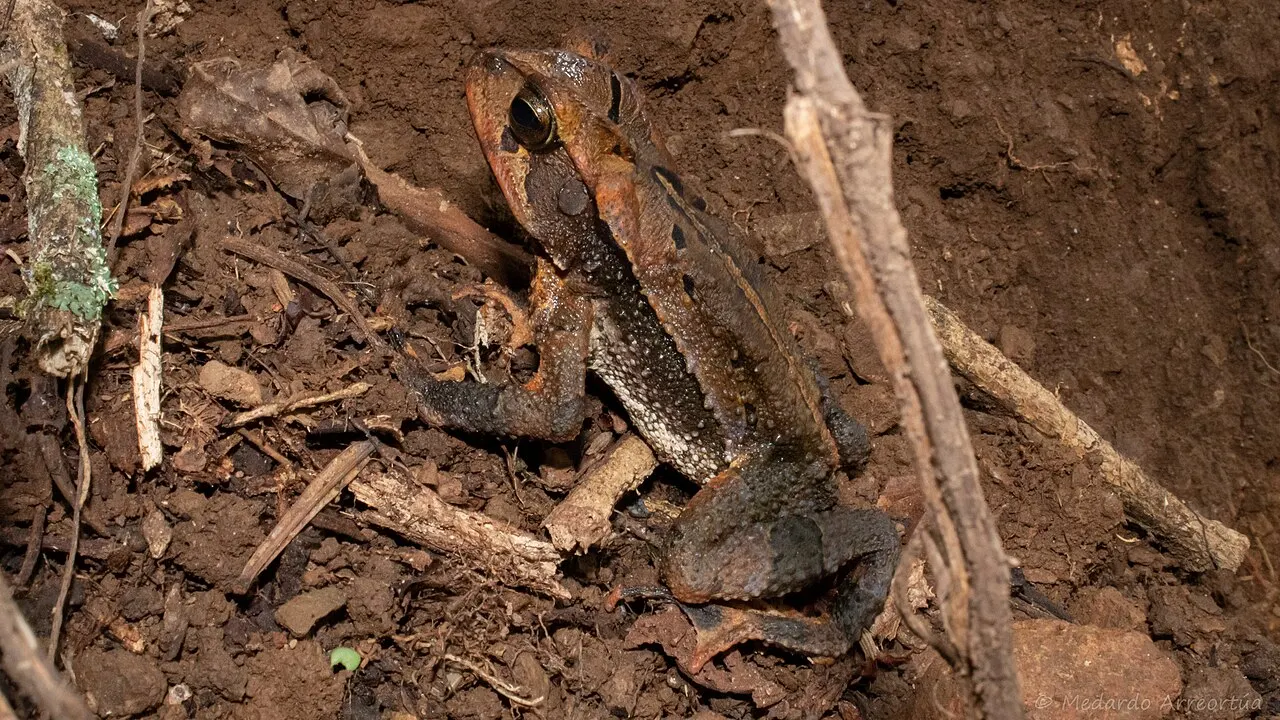
The spiculate toad (Spiculate toad) is a forest toad found only in the cloud forests and wet lowland forests of northern Oaxaca, Mexico. The IUCN Red List has rated it Endangered since at least 2004, most recently in 2020, because its range is tiny and its habitat keeps shrinking.
Where it lives
This toad is endemic to the Sierra Madre de Oaxaca. It is known from the northern slopes of the Sierra de Juárez and the neighbouring Sierra Mixe, in cloud forest and in lowland rainforest. The IUCN estimates its whole range at about 375 square kilometres and counts only one to five locations.
For years it was thought to live at 800 to 1,689 m. A 2021 field study in Amphibian & Reptile Conservation widened that to 642 to 1,758 m, after two juveniles turned up in primary cloud forest at 1,758 m and three more toads were found near San Pedro Yolox at 642 to 682 m.
Pins are Wikidata “endemic to” fields. Orange dots, when present, are GBIF occurrence tiles — survey bias included.
How it lives
It breeds in streams, and it does so in the dry season, when the water runs slower and shallower and eggs are less likely to wash away. In February 2019 researchers watched a pair in the Río Coyul, a permanent river about 8 m wide, at 640 m. The male gripped the female around the chest for roughly 2.7 hours in a shallow, rocky margin, steadying themselves on plants and the riverbed. The water was 19.6 °C.
The female was 85.5 mm from snout to vent. She laid a double-rowed string of eggs, about 4,500 by the researchers' estimate, fixed to vegetation on rocks about 35 cm below the surface. Tadpoles raised in the lab took about 35 days to reach metamorphosis. They are uniformly cinnamon brown, with cream-yellow flecks that appear as they grow, and reach about 35 mm in total length at mid-development.
Adults sit and wait for prey. Droppings from six toads held mostly ants and other Hymenoptera (48 percent of prey items), then beetles (23 percent), scorpions (19 percent), crickets and cockroaches. That is a very small sample, and scorpions are poorly documented in the diets of frogs and toads generally.
Why it is in trouble
The IUCN reports a declining population and an ongoing loss of habitat. The pressure it lists is the unintended effect of large-scale harvesting, along with degradation of the ecosystem. Its assessment records that the toad does not occur in any protected area.
The 2021 study adds a specific problem. The streams where it breeds sit at lower elevations, which also suit farming and villages. Clearing the banks cuts off breeding water from the forest, so adults and newly emerged toadlets must cross open ground. Tadpoles face agricultural chemicals, sand extraction and water withdrawal.
What is being done
The IUCN lists habitat restoration, protection of resources and habitat, and site protection as the actions needed. Until the tadpole and breeding studies of 2019 to 2021, little was documented about the toad's life cycle. The Oaxaca team behind the 2021 study calls for more work on larval stages of threatened amphibians, to understand their habitat needs.
Sources
Written for this catalog in our own words from the sources below, checked against them on 12 November 2026. Population figures are estimates and carry the year they were made. Status and assessment year: IUCN. 2026. The IUCN Red List of Threatened Species. Version 2026-1. iucnredlist.org.