Endangered
Incilius cristatus
Incilius cristatus
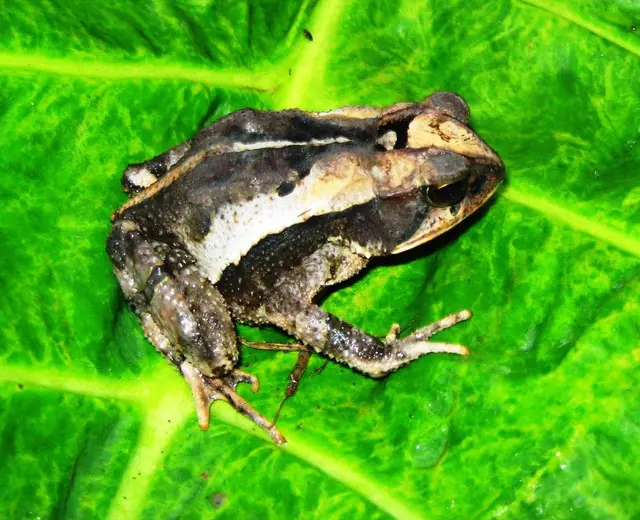
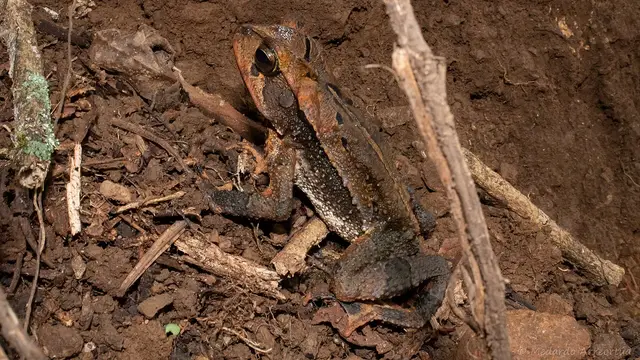
The large-crested toad (Incilius cristatus) is a Mexican cloud forest toad from the central Sierra Madre Oriental, in Veracruz and Puebla. The IUCN Red List rated it Endangered in 2020, with a decreasing population. Females are much larger than males, and it has become rare at its original collecting locality.
How to recognise it
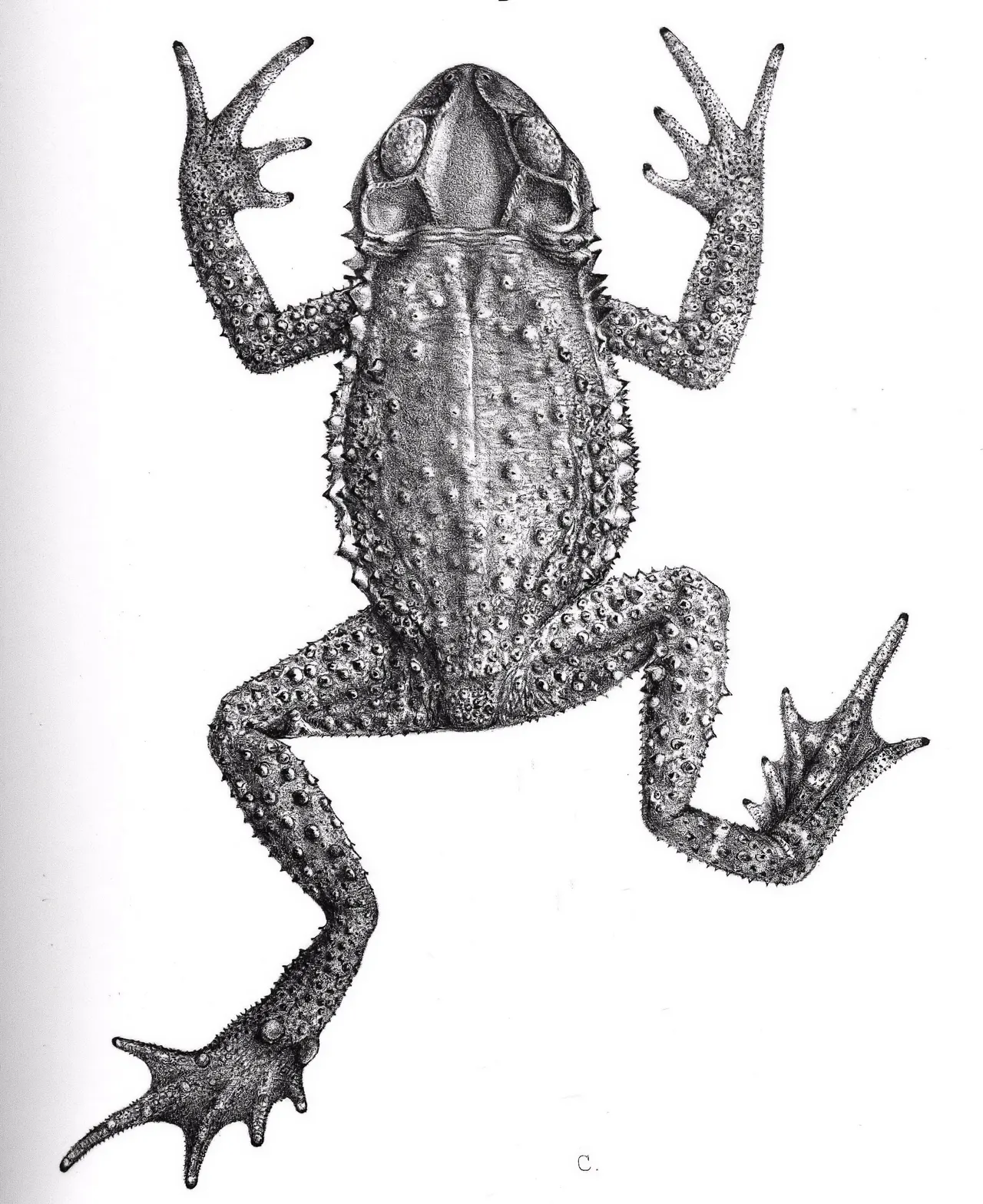
Its name refers to the crests on the head. Mature females have a crest in front of the eye, and researchers in a 2013 field study used that crest, along with the breeding pads on males, to tell the sexes apart. Size separates them clearly: adult females averaged about 83 mm from snout to vent and males about 61 mm, while juveniles ranged from roughly 18 to 54 mm.
The species was described by Wiegmann in 1833 as Bufo cristatus and now sits in the genus Incilius.
Where it lives
It is endemic to Mexico and tied to montane cloud forest in the central Sierra Madre Oriental. The Red List gives an elevation range of 1,300 to 2,000 m and an extent of occurrence of about 4,983 sq km, and records the population as severely fragmented.
The original collecting area was around Xalapa in Veracruz, but a 2014 thesis reports that records had become scarce across most historic localities and that the toad was believed gone from Xalapa itself. A survey from May to November 2013 found it still present in four forest fragments, near Atzalan, Huatusco and Coscomatepec in Veracruz and near Chichiquila in Puebla.
Pins are Wikidata “endemic to” fields. Orange dots, when present, are GBIF occurrence tiles — survey bias included.
How it lives
That 2013 survey, about 1,000 person-hours of searching at dusk and at night, recorded 177 toads. Atzalan held 133, Chichiquila 22, Huatusco 16 and Coscomatepec 6. Just over half (56.5 percent) were juveniles. Too few toads were recaptured to estimate a total population at any site.
Adults were found close to streams (97 percent within 110 m of water) and near the forest fragments, which the author read as a sign that they depend on streams to breed. Pairs in amplexus, with the female about 1.4 times the male's size, turned up at Atzalan in November, late in the wet season. No male calls were heard in that last survey, even though several pairs were seen.
Habitats listed by the Red List include moist montane forest and permanent streams.
Why it is in trouble
The Red List records ecosystem conversion and degradation, with a continuing decline in the area the species occupies. Housing and urban growth are scored as a low impact today, while tourism and recreation areas and shifting agriculture are counted as past impacts.
The 2014 thesis also called for study of chytrid fungus and pollution as threats that had not yet been examined for this toad, and suggested that juveniles crossing farmland, pasture and roads probably face higher mortality. Each remaining forest fragment is small, so local losses matter.
What is being done
The Red List says the species occurs in at least one protected area, that animals are held in ex situ conservation and that education programmes have reached local people. Listed needed actions are habitat protection and site management.
The 2013 survey confirmed that populations persist in four fragments, and the author argued that the new data justify reviewing the species' threat category and setting conservation strategies.
Sources
Written for this catalog in our own words from the sources below, checked against them on 12 November 2026. Population figures are estimates and carry the year they were made. Status and assessment year: IUCN. 2026. The IUCN Red List of Threatened Species. Version 2026-1. iucnredlist.org.