Endangered
Perlemoen (Haliotis midae)
Haliotis midae
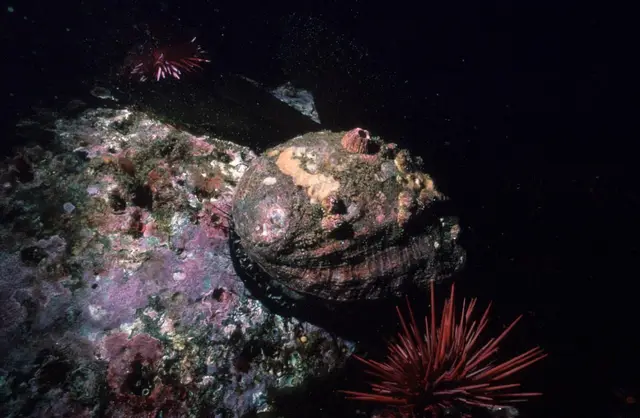
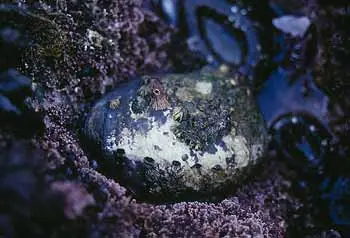
Haliotis midae, the South African abalone or perlemoen, is a large sea snail found only on rocky reefs and kelp beds off South Africa. The IUCN Red List assessed it as Endangered in 2021, with a decreasing population, because intensive harvesting, much of it illegal, has cut wild numbers sharply.
How to recognise it
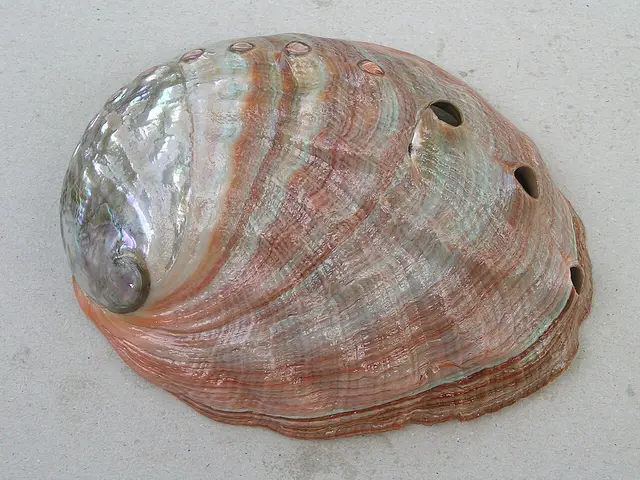
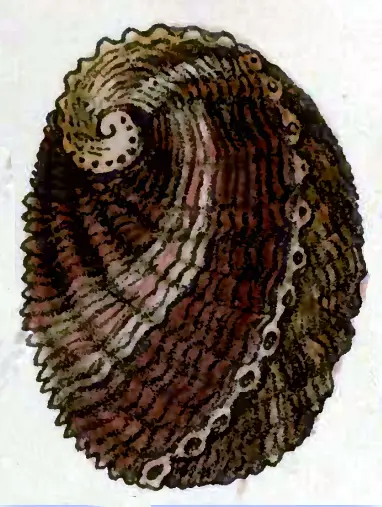
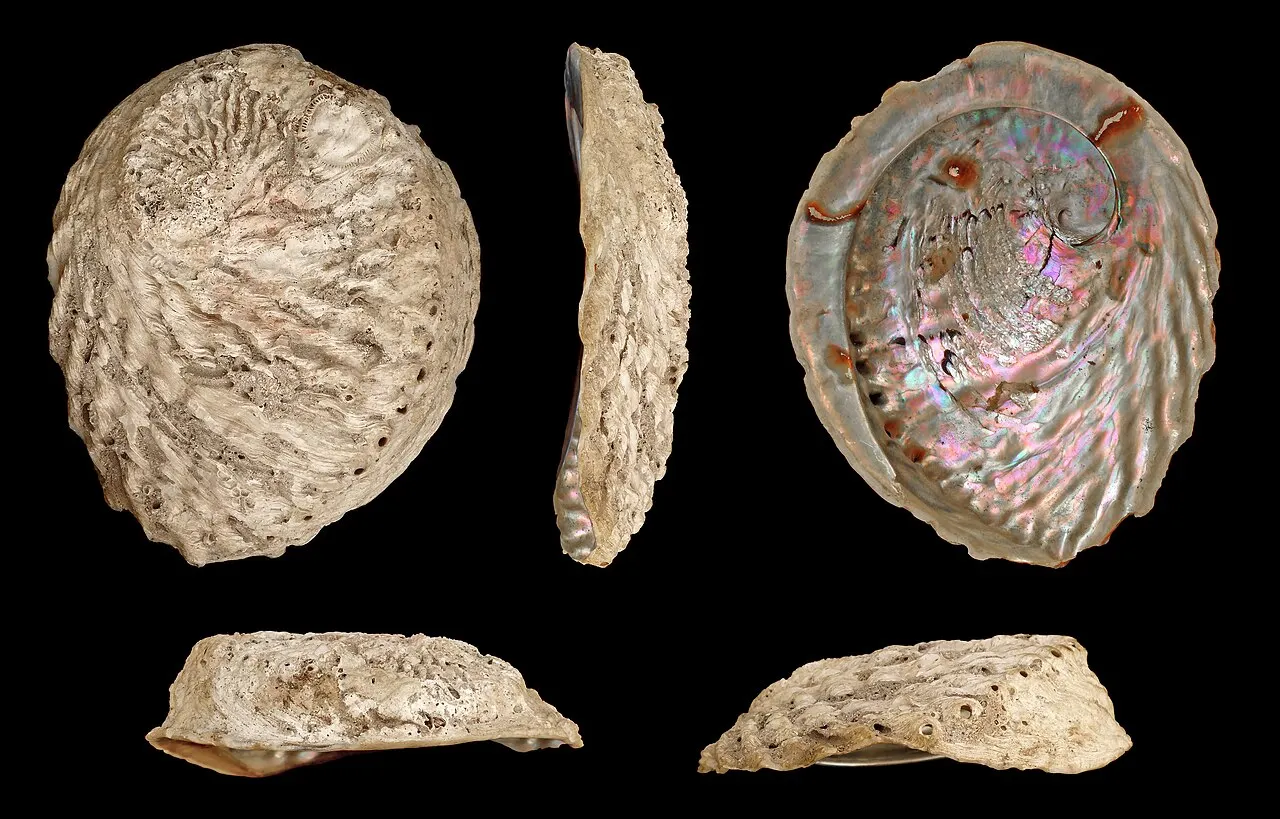
This is one of the biggest abalones, with a shell 12 to 20 cm long. The shell is rounded-oval and fairly convex, with a low spire of about three whorls. A row of 6 to 11 small holes runs along the edge, spaced wider apart than the holes are across.
Inside, the shell is pearly and multicoloured. Shells are also taken for handicrafts and jewellery and by specimen collectors, according to the Red List.
Where it lives
It lives only around South Africa. The Red List records it in the Western Cape, Eastern Cape and KwaZulu-Natal, in marine kelp beds and on subtidal rocky reefs, from the shoreline down to about 25 m. It is one of five abalone species on South Africa's shallow reefs and the only one harvested commercially.
Pins are Wikidata “endemic to” fields. Orange dots, when present, are GBIF occurrence tiles — survey bias included.
How it lives
Abalone live in groups year round and do not migrate. They graze on kelp and on red and green algae, and young animals are reported to shelter among sea urchins.
Growth is slow. An animal takes roughly 8 to 10 years to reach legal catch size, and the assessors put a generation at 14 years. That makes the species slow to bounce back once adults are taken.
Why it is in trouble
Demand in East Asia is the driver. Poaching took off in the early 1990s, and TRAFFIC estimated in 2018 that more than 96 million abalone had been smuggled to Hong Kong since 2000, worth at least US$60 million a year. Police have reported that gangs sometimes swap abalone for methamphetamine or its precursor chemicals.
The legal wild quota, 96 tonnes a year at the time of that report, is small beside the illegal take. Poachers who once brought up over 80 kg of meat in a dive now seldom get more than 15 kg. The 2021 assessment estimates a past population loss of 50 to 79%, and both numbers and occupied area are still falling. Temperature extremes are also listed as a possible threat.
The WWF-SASSI seafood guide adds that the spread of West Coast rock lobster southeast has indirectly affected abalone and contributed to biomass declines.
What is being done
Harvesting is controlled by permits and catch limits, and the commercial wild fishery was closed from February 2008 to July 2010, then reopened on condition that poaching fell. Abalone was once listed on CITES, and South Africa asked for it to be removed in 2010. TRAFFIC has called for a new listing.
Farming now supplies most legal abalone, nearly 2,000 tonnes a year in 2018, in land-based tanks. Farms still draw breeding stock from the wild under permit. A 2022 report by Simone Haysom and Kimon de Greef, covered by Mongabay, argued for shifting enforcement away from poor coastal residents and toward the criminal networks behind the trade.
Sources
Written for this catalog in our own words from the sources below, checked against them on 12 November 2026. Population figures are estimates and carry the year they were made. Status and assessment year: IUCN. 2026. The IUCN Red List of Threatened Species. Version 2026-1. iucnredlist.org.