Critically Endangered
Haliotis fulgens
Haliotis fulgens
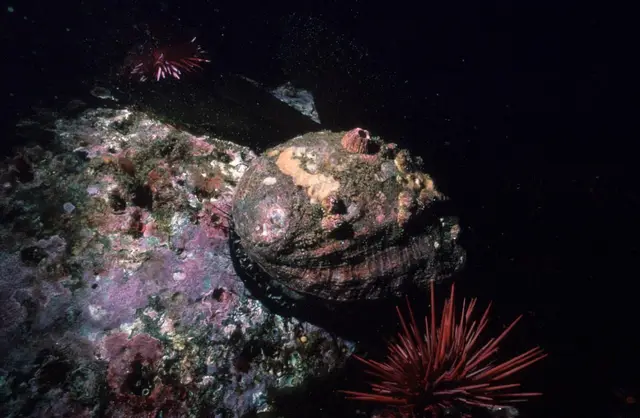
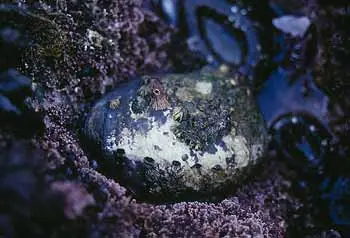
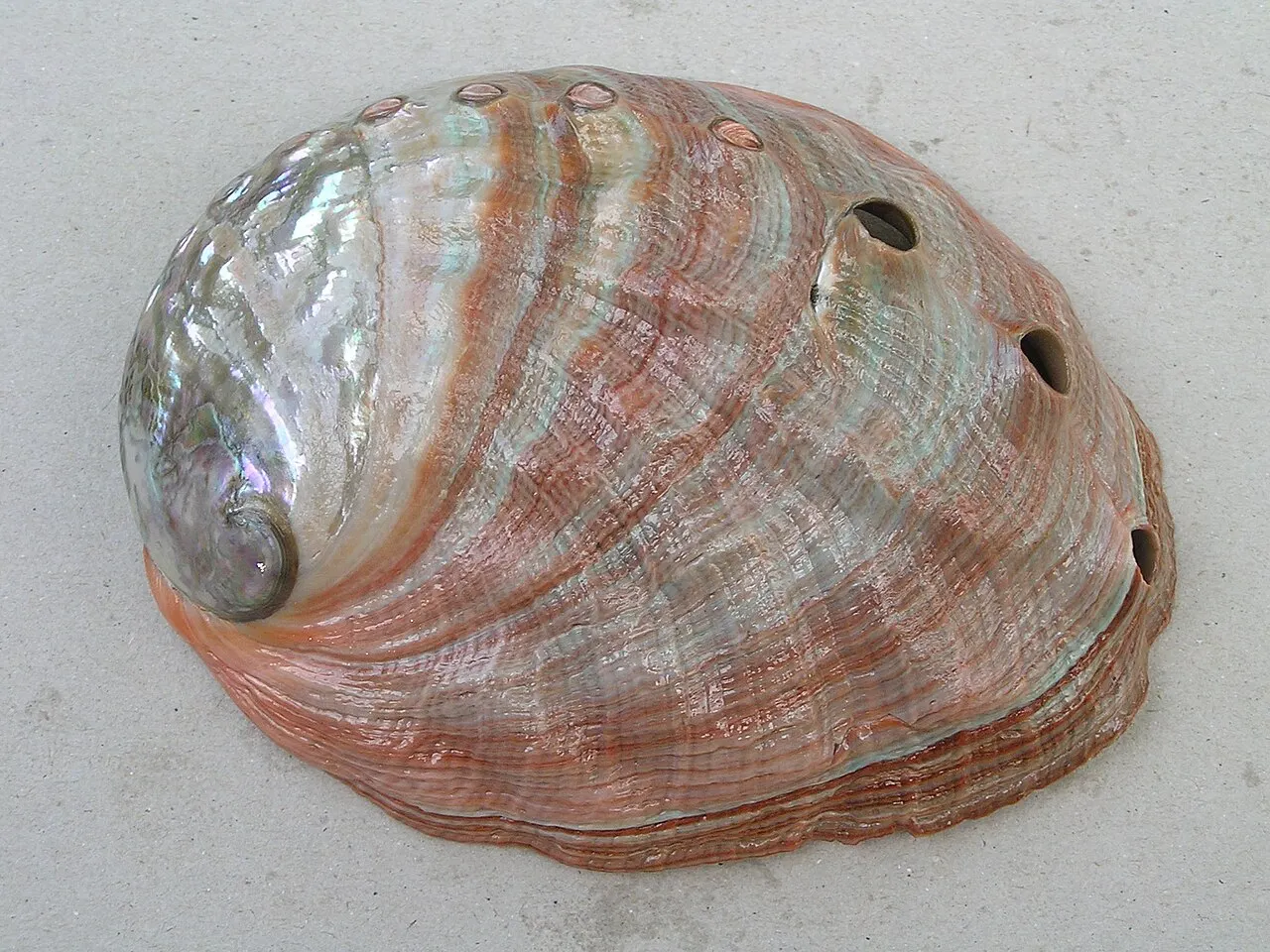
The green abalone (Haliotis fulgens) is a large marine snail of rocky, kelp-lined coasts from southern California down the Pacific side of Baja California, Mexico. The IUCN Red List rated it Critically Endangered in 2021, after an estimated 80% decline driven mainly by harvest. Its shell is lined with blue and green mother-of-pearl.
How to recognise it
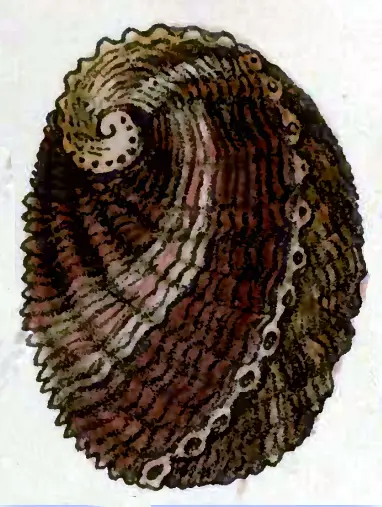
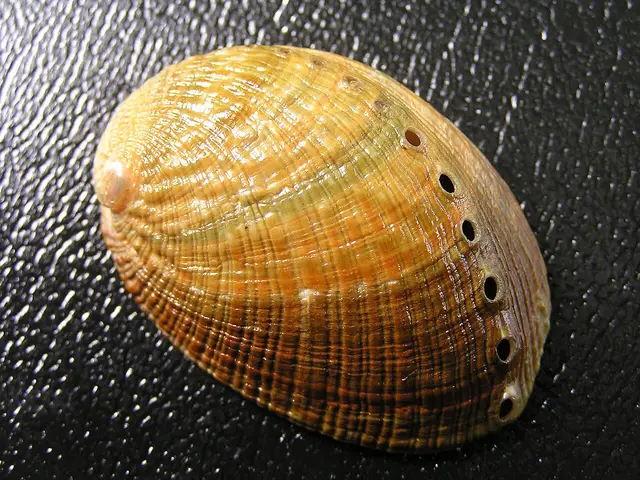
It's a single-shelled sea snail, usually brown on the outside, with low, flat-topped ribs and a row of raised breathing holes, of which five to seven are open. Inside, the shell is iridescent blue and green.
Adults reportedly measure about 75 to 255 mm across the shell. NOAA Fisheries gives the usual length as 2.4 to 5 inches (about 6 to 13 cm).
Where it lives
The range runs from Point Conception in California to Bahía Magdalena in Baja California Sur. The IUCN assessment lists Mexico, the United States, Guadalupe Island and the states of California, Baja California and Baja California Sur.
It lives from the low tide line down to at least 9 m (30 ft), and perhaps as deep as 18 m (60 ft), according to NOAA. The IUCN habitat entries are kelp and other macroalgae and subtidal rocky reefs.
Pins are Wikidata “endemic to” fields. Orange dots, when present, are GBIF occurrence tiles — survey bias included.
How it lives
Green abalone graze on drifting algae and favour fleshy red species. The sexes are separate, and animals release eggs and sperm into open water from early summer to early fall. Maturity comes at about 5 to 7 years, and individuals can live 30 years or more. The IUCN lists a generation length of 14 years.
Broadcast spawning has a catch. When adults become sparse, eggs and sperm may never meet, and NOAA flags this kind of reproductive failure at low density as a risk for the species.
Why it is in trouble
Abalone were heavily fished. NOAA reports that California commercial landings peaked in 1971 at more than 494 metric tons, and by 1990 they had fallen to 6% of the 1968 to 1972 average. The IUCN estimates a population reduction of about 80%, and records the population as decreasing and severely fragmented.
Other pressures include suspected illegal harvest and trade, withering syndrome (a lethal disease of abalone), and warm-water events such as El Niño. Little is documented about its status in Mexico, where a commercial fishery managed by local cooperatives still operates.
What is being done
California closed its southern commercial and recreational abalone fisheries in 1996, according to NOAA, though populations kept declining afterward. An Abalone Recovery and Management Plan was adopted in 2005, and the species occurs in at least one protected area.
NOAA Fisheries began working with the Redondo SEA Lab on captive propagation in 2009, and with The Bay Foundation on restoration from 2013. A Bay Foundation project that ran from 2012 to 2015 found that southern California green abalone interbreed freely as one population, which supports moving animals between sites. The project made one juvenile outplanting off Palos Verdes, and the site was still being monitored when the report was written.
Sources
Written for this catalog in our own words from the sources below, checked against them on 12 November 2026. Population figures are estimates and carry the year they were made. Status and assessment year: IUCN. 2026. The IUCN Red List of Threatened Species. Version 2026-1. iucnredlist.org.